SAG Awards nominee and British actor David Harewood OBE may be best known for his standout roles as David Estes in Homeland and J’onn J’onzz in Supergirl, but his career extends far beyond that. With work spanning television, theatre, and even video games, Harewood’s talent and range are undeniable. Beyond acting, he founded his production company Section 52, published his memoir Maybe I Don’t Belong Here, and in 2024 became President of RADA – becoming the first Black actor to hold the position.
Currently, he is filming West London for Channel 4, playing duty solicitor Pierre in a gripping new legal drama. But as of now, he returns to the West End to play Othello opposite Toby Jones and Caitlin Fitzgerald, nearly three decades after becoming the first Black actor to play the role at the National Theatre in 1997, and of course much has changed in the years since.
PHOTOGRAPHY
Jack Margersion at Darwin Studio
FASHION
Felicia Brown
at Carol Hayes Management
GROOMING
Min Sandhu
using Waleda
FASHION ASSISTANT
Bridget Oseponye
In our interview with Principle, we spoke with David about returning to Othello, how world events and drama therapy have deepened his approach to the role, his commitment to telling powerful, authentic stories across stage and screen and all things duty solicitors.
I hear you are very booked and busy with rehearsals and everything. How’s it going?
It was good! It’s been a tough rehearsal period.
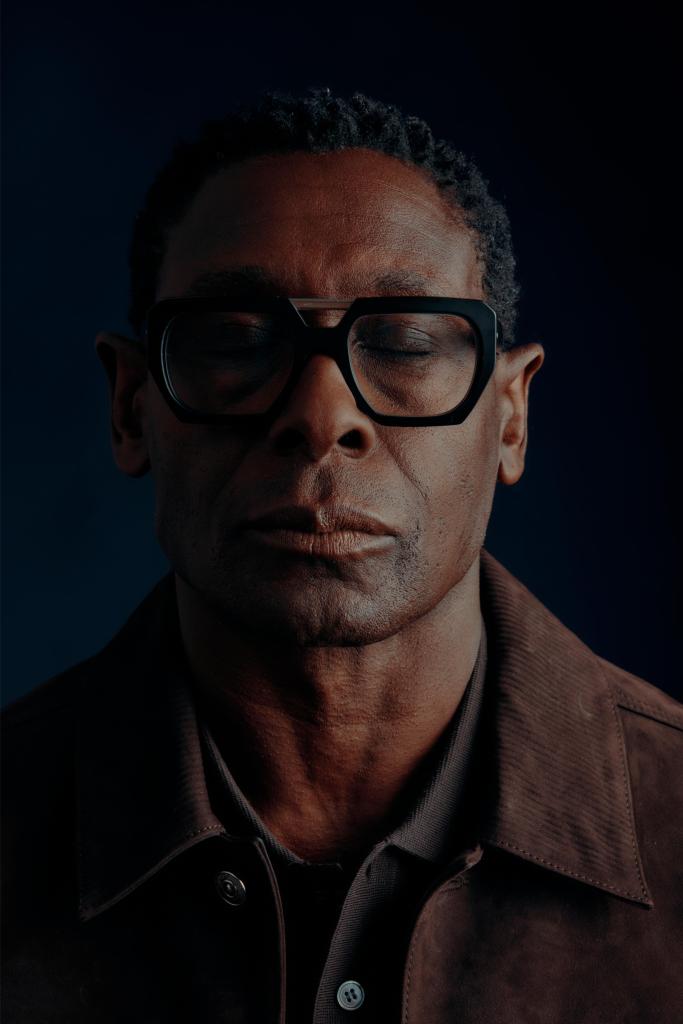
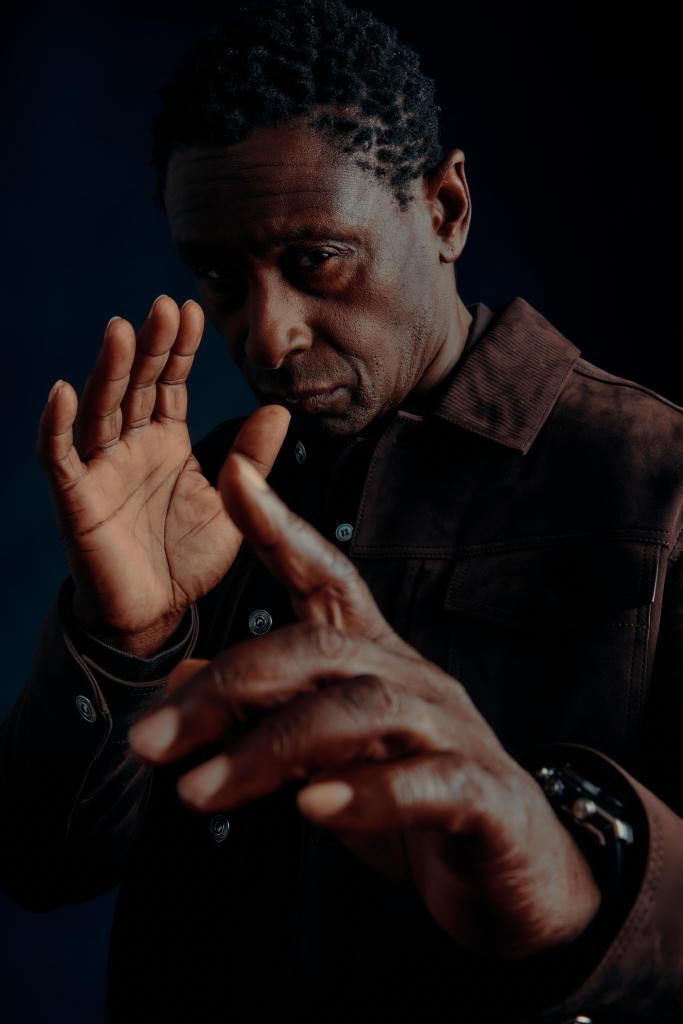
Jacket Mr P / Polo Jumper Arket
It’s finally go-time, so that’s exciting. Obviously, you first played Othello at the National Theatre in 1997, so almost 30 years ago. How does it feel to return to the role now, almost three decades later, and what new perspective are you bringing to it now?
It feels massive. It’s a different world. It’s a post-Me Too, Black Lives Matter world. It sheds a lot of light on the play. There’s a lot of violence towards women in this play. I kill my wife, and one of the other female characters is also murdered by her husband. So there’s a lot of violence towards women.
We really, I think, maybe in past productions, glossed over that and just thought, ‘Oh yeah, now he murders her.’ But we’re trying to mark that violence. Both actresses are determined not to play victims. That has a reverberation throughout the whole play for me. Coming back to the role, I can remember not even thinking about that before. It was just, ‘Oh yeah, he gets angry, she’s having an affair, I kill her.’ But now, as an older man who has been married nearly 15 years and has two children, even if you found out your wife was having an affair, it wouldn’t just be pure hate. It would be love, envy, a mixture of all these complicated emotions. As a young man, I didn’t know about those complicated emotions. Even for him, it’s a real struggle to take that action because she’s a beautiful woman and completely innocent. Of course, she’s going to fight her corner, and obviously, in the play, the more she fights, the more that angers Othello. That was something I just didn’t really see before.
There are four or five scenes once he’s told what she does, and then when he kills her. Throughout those scenes, he’s weighing up what to do. He loves her, he hates her, he loves her, he hates her. That is something I didn’t understand before. It was just all anger. But now, anybody who’s been in love knows that there’s nuance to that anger. It’s so complex. It’s quite a tortured character. He does a terrible thing. That was really difficult to explore in rehearsals. What a horrible thing that is, to kill your partner, the love of your life. Trying to bring that into the room, into reality, has been way more complex and complicated than I imagined in my 30s.
I was actually going to ask how the production reflected current changes in the world, but you beat me to it.
This play was historically done in Blackface. As a real Black person, one tries to imbue the character with dignity and not make him a caricature of a black person. Allowing yourself to become a monster was tough in rehearsals. Post–Black Lives Matter, one wants to play an honorable black man, a deep and thoughtful man, not violent. You want to wrestle with being a monster. For half the play, he’s a complete monster; he slaps her in public, talks to her in an awful manner. That was really difficult to explore. We have a drama therapist in the room, which I’m sure was a position that never existed 30 years ago. As modern actors, digging into uncomfortable topics that stay with you affects you as a human being. It was wonderful having this drama therapist because Caitlin, who plays Desdemona, and I, were very emotional. It was wonderful having someone who could call a time-out and get everyone in a circle and just talk about it. Allow everyone to talk about how they’re feeling, have a bit of a sob, dig around in those emotions, and then remind us that we are actors. That we’re playing. That I’m not really a monster. Once we cracked that uncomfortable territory, it was wonderful to explore.
Both Caitlin and I found different colours in our relationship. It’s not all hatred. That came out of having a drama therapist in the room. It enables you to be upset or angry safely. That certainly wasn’t true 30 years ago.


Cardigan Mr P / T-shirt Arket / Trousers Cos / Sneaker Axel Arigato
Totally. Shakespeare in general is so ancient, so I think it’s important that when you do productions these days, you adapt them to be more timely and relevant while still kind of staying true to the roots.
Let’s not forget, in Shakespeare’s day, all the parts were played by men. So for a woman like Caitlin, who plays Desdemona brilliantly, she’s like, ‘I’m not getting on my knees. Why would I say it’s all my fault?’ She’s saying, ‘No, as a woman I want to fight.’ It’s really interesting how the production, and particularly the women in the play, have wrestled with those subservient Shakespearean characters and said, “No, cut that line. I wouldn’t say that as a woman. I would fight.” It’s been wonderful how the actresses have brought that modern, stronger ethos into the room. If it means cutting the line, it means cutting the line. Amending a word, let’s amend that word. Let’s make it relevant. Hopefully, by the end of the play, it will be really impactful because you’ll see that she fights for her life.
That is powerful. I’m very excited to see it now. More generally speaking, what is your favourite Shakespeare play?
My favourite is King Lear. It’s such a cosmic play. Here’s a man who starts as a king, a horrible king, and ends up with nothing. When he loses everything, that’s when he starts to make sense. There’s something in that journey, a man who has everything, loses it all, but gains knowledge about humanity and himself. Even though he goes mad in the play, I can attest to that – there’s a clarity that comes from working through trauma, therapy, and self-understanding. That’s why I love that play.
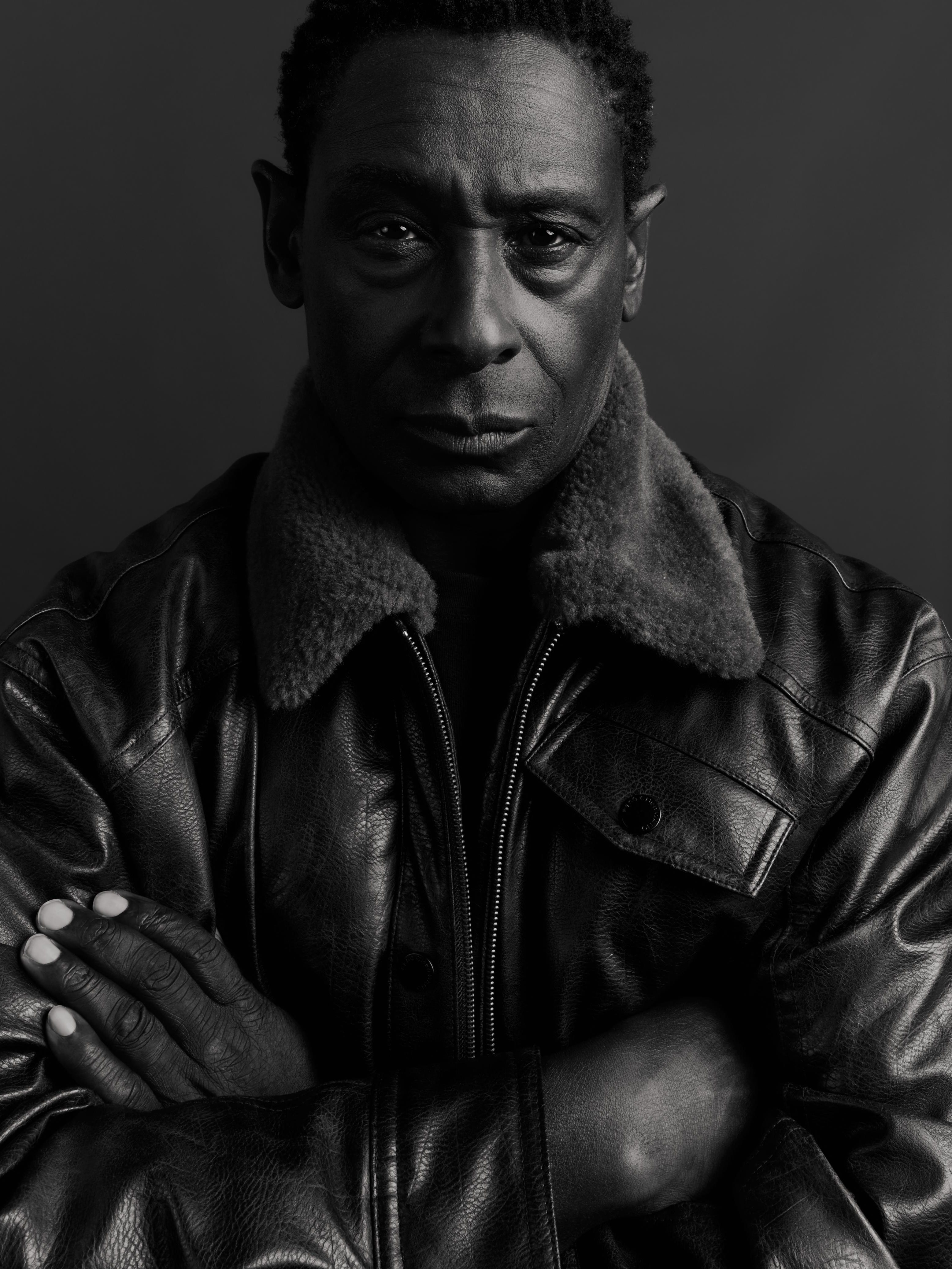
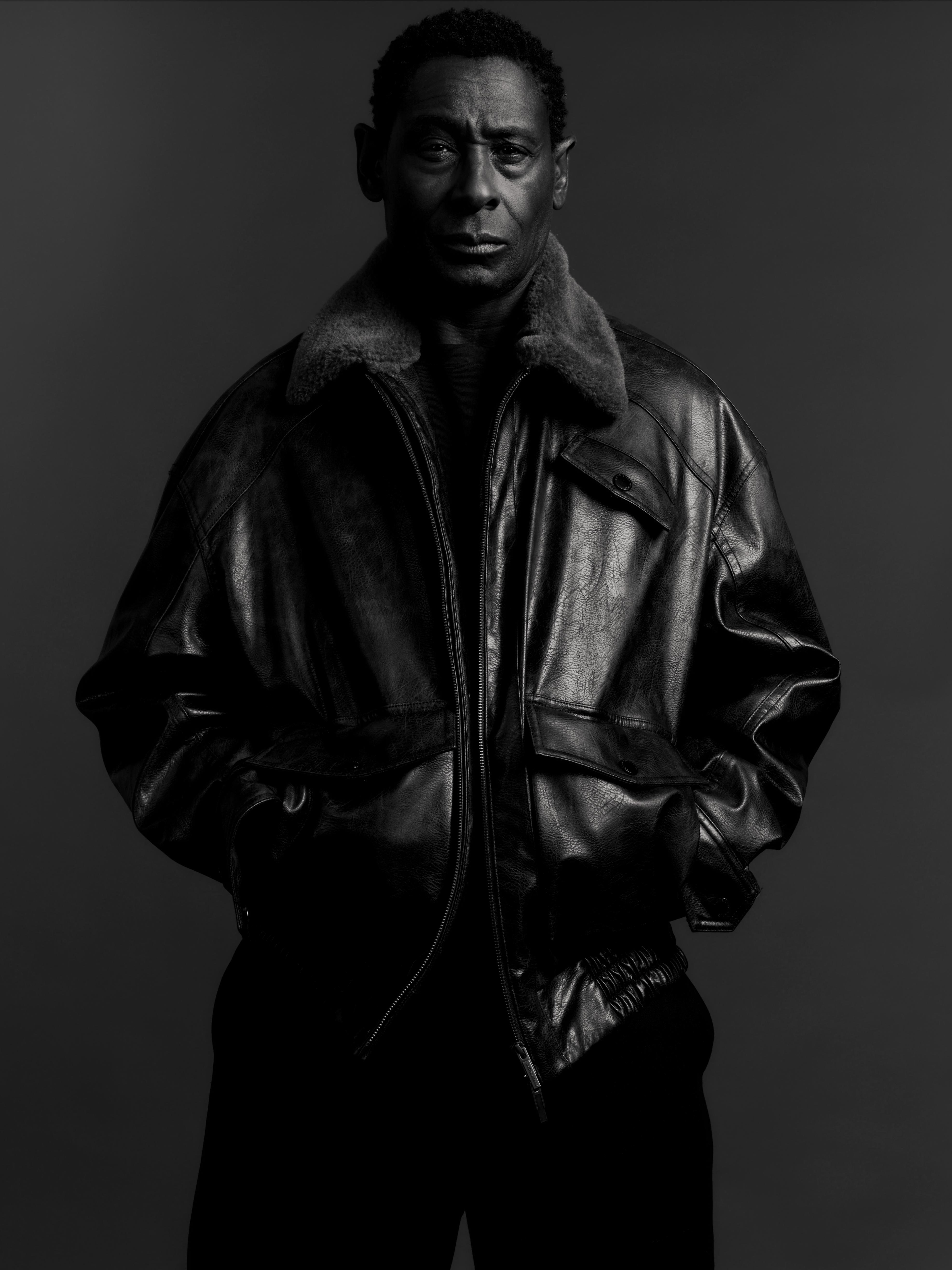
Jacket Feng Chen Wang / Trousers Cos
King Lear is a good one. We performed that in my GCSE drama class, fun fact. You also do films, TV, and theatre. Do you have a different approach to prepping and channeling a character in film versus theatre?
Oh yeah, they’re totally different. On TV, there’s hardly any rehearsal. You turn up, probably never met the person you’re acting opposite, meet them in the morning over breakfast, have a quick chat, and then within half an hour you’re filming. Then it’s done, you never see them again. With theatre, you get to rehearse and explore the material, find out what that person’s doing and why. You get to work on it as artists, and that’s a wonderful way of exploring a story. With this production, I’m convinced every night might be slightly different. There’s a free movement in the play. We all know roughly what we want and where to go, but because we know it so well, there’s an opportunity to do something different every night. That’s exciting as an artist, reinventing it rather than presenting the same thing every night.
Also with theatre, you can’t cut the scenes and redo them. You just do it.
Exactly. It’s like walking a tightrope. There are no retakes. Every night it’s live. I love that. Film is a director’s medium, television is a producer’s medium, and theatre is an actor’s medium. It’s me and the audience. No one says “cut,” and nothing ends up on the cutting room floor. Everyone gets to see it every night.
It must be so interesting to have that blend of TV, theatre, and even video game work though.
It’s been great. I used to play Call of Duty as a young man, so to be in a Call of Duty game was great. Then I met Sam Lake from Remedy Games, who made Max Payne, one of my favourites. To be in one of his games was awesome. We did Alan Wake a couple of years ago; it was so off the wall. It’s great to give people joy like that. I love stage acting for the live performance, video games because I’m a gamer, and TV because millions are glued to the screen. As a modern actor, you have to be proficient in many disciplines.
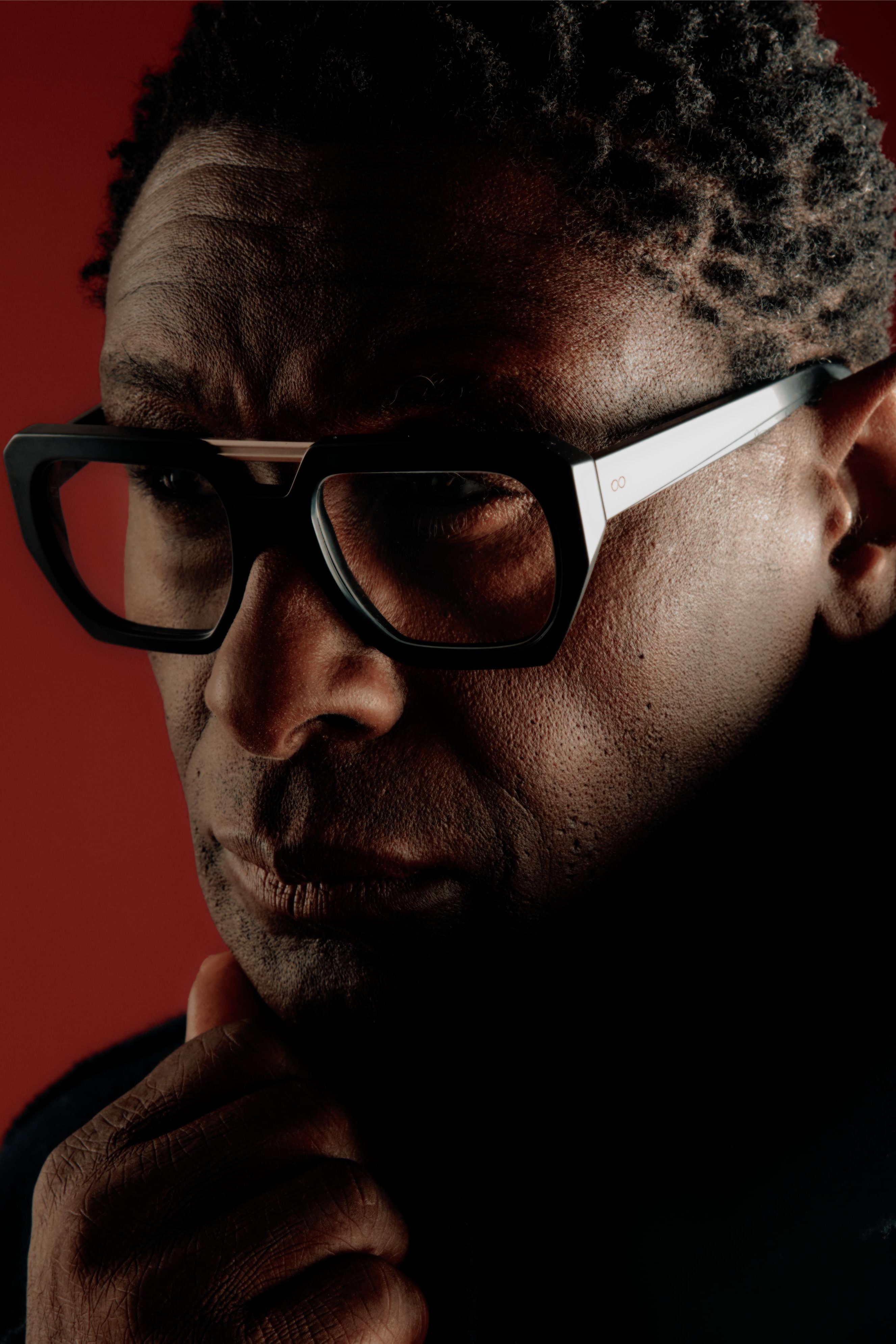
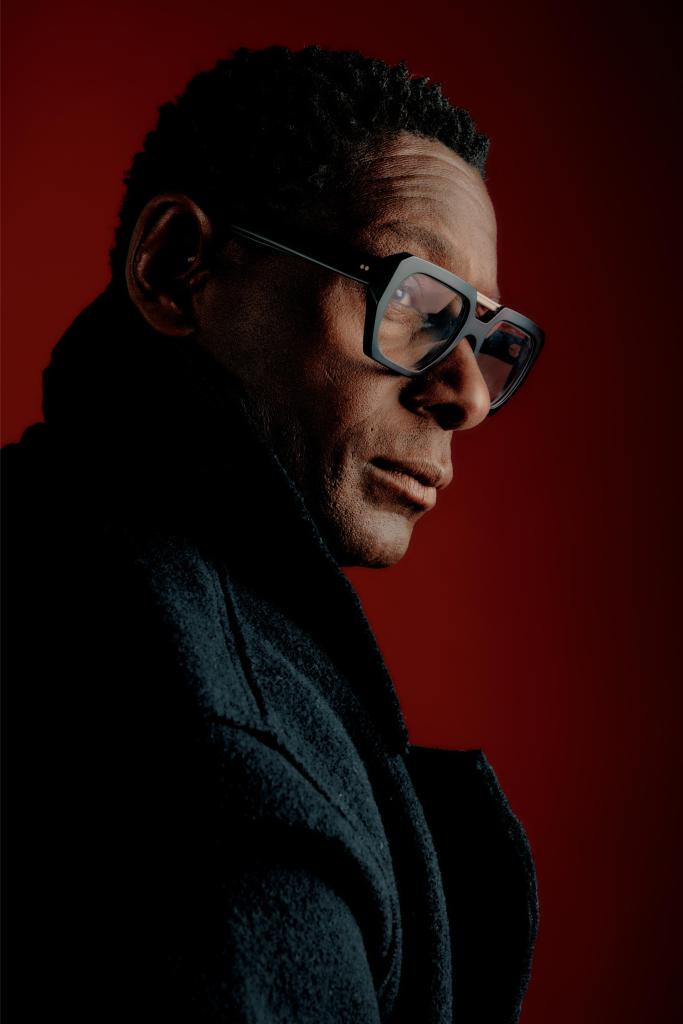
Coat Stone Island
Absolutely. What are you looking for when you decide if a role is right for you?
Complexity. You don’t want a two-dimensional character. I had plenty of those as a young man, just trying to pay rent. What you’re really looking for is: why? He might be the bad guy, but why is he the bad guy? You might be playing a drug dealer, but maybe you’re selling drugs to feed your family. The Wire did that brilliantly. They showed drug dealers who also had families, love, and responsibilities. That’s the kind of role you want: complexity.
You’re starring in a new role as Pierre in the Channel 4 show, West London. He sounds very multi-dimensional. Can you tell us more about that?
It’s interesting because duty solicitors get such a bad rap. People think they’re rubbish. But they came about in the 70s because there was so much police corruption. The government decided that everyone arrested needs legal representation. Pierre is a champion of the downtrodden. He’ll defend you with everything he’s got. He goes above and beyond, to the annoyance of his business partner, who just wants to make money. He’ll do work for free if he thinks you need help. He’s like a knight in shining armor for those who can’t afford representation.
It does sound like such a complex job, not everyone would understand a duty solicitor’s approach.
I spoke to a duty solicitor in my prep. She said she knows they have a bad reputation, but doesn’t care; she’s determined to do her best for her clients. Despite a lack of money, mental health problems, violence, and drugs, she’ll do her best. It’s a really noble cause. But it’s complicated. Even if you’ve done something, she’ll say, “Tell me what happened.” If your story makes sense, she’ll fight for you. If it doesn’t, she’ll tell you to plead guilty. But if she believes you, she’ll fight for you.

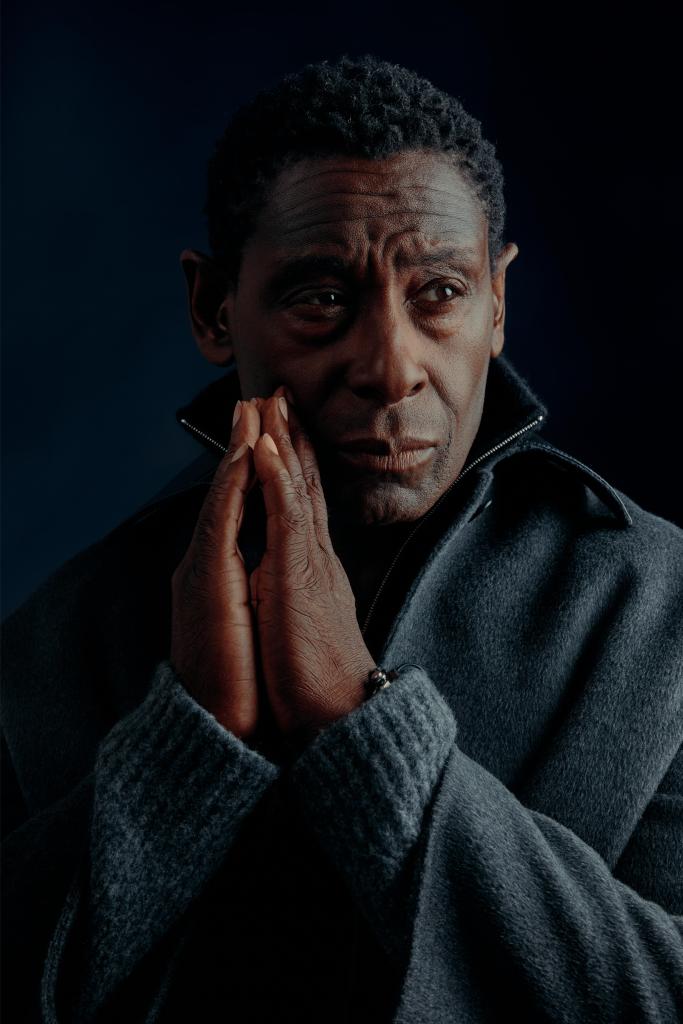
Jacket and sweater Nanushka / Trousers Cos / Sneaker Kurt Geiger
That does sound fair. Speaking of complex stories and characters – you also founded your production company Section 52. What kind of stories are you passionate about telling through it?
We’re looking at telling diverse stories. We’ve done four documentaries so far. I’ve played Charles Dickens, bringing a new, more diverse audience to Dickens. I’ve also played Mozart’s father, telling how Mozart almost became the first freelance musician. We tell stories innovatively, with different settings, trying not to make stuffy BBC-style documentaries. We bring diversity to make it speak to audiences today. So far, people have really enjoyed it. My business partner, Sabina Hemrit-Harper, is fantastic. She’s directing our new documentary. She’s tenacious and business-minded. People often come to me asking for favors, and she reminds them we’re a business. I’m really grateful for that.
Hah, people love asking for favours, don’t they! It sounds exciting, though, can’t wait to watch your future Section 52 work! Thanks for your time.