From stage productions to a wide range of on-screen roles — including the hugely popular Heartstopper — British actor Fisayo Akinade has been busy living the dream. In his latest venture, the Liverpool-born star takes his career to the next level by appearing in Kate Winslet’s directorial debut, Goodbye June. The Christmas-set family drama features an array of icons, including Helen Mirren, Toni Collette, Timothy Spall, and Winslet herself, and explores themes of grief, reconciliation, and love, positioning it as a potential classic in the making. Deeply emotional yet laced with warmth and wit, the film also delivers the kind of understated humour British cinema is renowned for.
PHOTOGRAPHY
Vicky Grout @ Soho Management
FASHION
Prue Fisher
GROOMING
Min Sandhu using 111Skin
PHOTOGRAPHER’S ASSISTANT
Myles Bailey
Among the high-profile cast, Akinade portrays Nurse Angel at Princess Mary Cheltenham Hospital, where June is a patient. A devoted, kind, and quietly wise presence, his character cares for June during her final days as she faces terminal illness. Filmed over just more than a month in the spring of this year, Goodbye June is set to premiere on Netflix on December 24, following a short theatrical run in select cinemas across the UK and the US.
In an exclusive interview with Principle, Akinade opens up about securing the part, working with a star-studded line-up, Winslet’s directorial debut, the upcoming Heartstopper movie, and more.
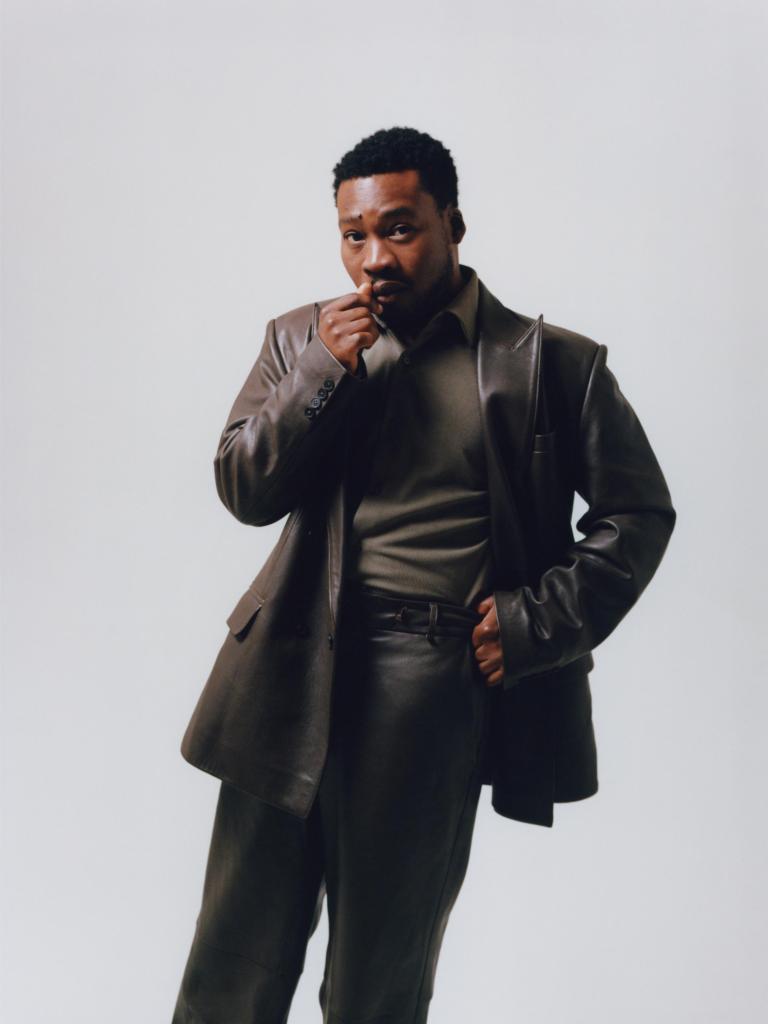
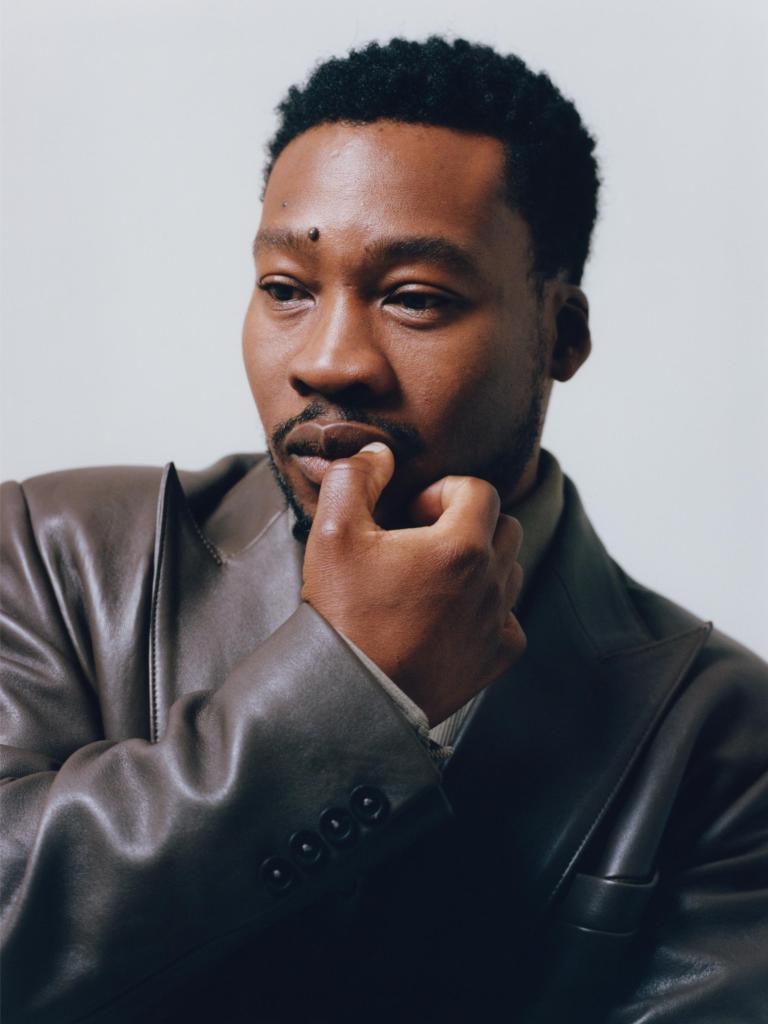
Blazer and trousers Kulakovsky / Shirt Boss
Congratulations on Goodbye June. It’s a very moving, emotional film. How have you felt about the reception so far?
It’s actually been overwhelmingly positive. People are really connecting to it on a human level. But more for me, my mum’s been a carer for most of my life. So when I got the role, when I was first told about it, I thought this could be a way of paying homage to my mum. What’s been lovely is that people have really been quite taken with Angel’s care for June in the film, which has been so beautiful. I thought if I could imbue it with what I know my mum does for a living, and with the ethos and work ethic of the two nurses I met, who gave me an hour-and-a-half-long interview about nursing, then hopefully I’d done something decent. The reception has been not only lovely about the family dynamic, but also about Angel and his delicate level of care for June and the family. It’s been really gorgeous.
What did your mum think of the movie?
She was so thrilled. She thought it was really gorgeous and was really moved by it. She loved the depiction of the NHS and the nurses. She thought it was beautiful, and it made her think about her own relationship with her sisters. It really hit every beat it was trying to hit.


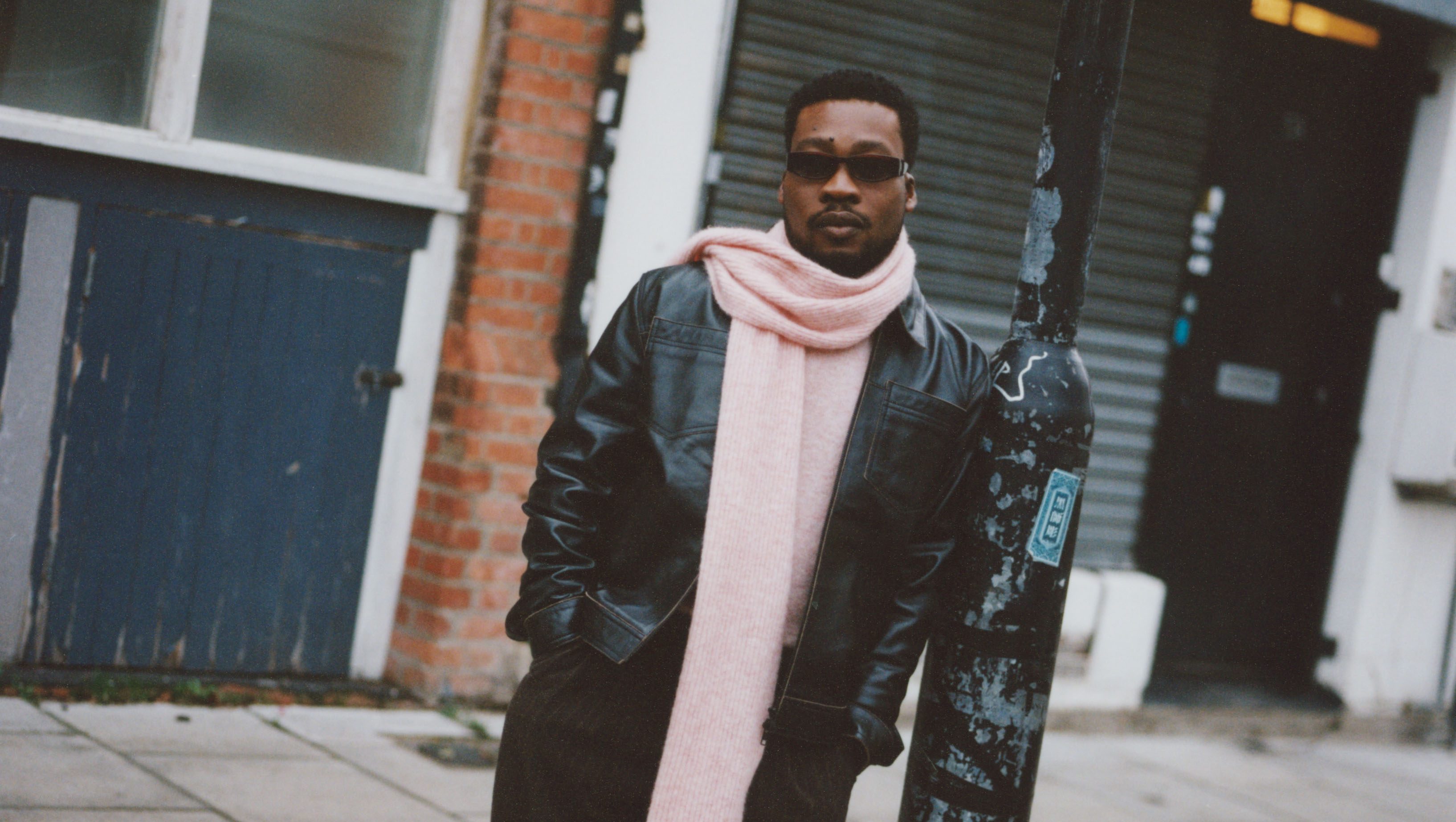
Full Look Oliver Spencer / Shoes Jimmy Choo / Sunglasses Jimmy Fairly
How did you come to find this role?
I was on a bus going to Euston train station and my agent Sam called me and said, “How would you like to go for a coffee with Kate Winslet next week?” And I was like, “What?!” I dropped my phone and it skidded down the bus. I said, “What are you talking about?” He said, “She’s directing the film and she wants you to be in it.” I was like, “What?” He said, “Would you like to know who else is in it?” I said, “Oh yeah, sure.” Then he said Helen Mirren, Toni Collette, and every name he said I was like, “What are you talking about?” He went, “So that’s a yes then?” I said, “Yes, Sam. Yes, it’s a yes.” Then Kate and I met at a hotel and she was just the warmest, nicest, funniest, open-hearted woman ever. We spoke about Lee, which had just come out and she was promoting, and then we spoke about the film and the role. She said, “I’m not seeing anyone else. I want it to be you. So it’s up to you.” And I was like, “Yeah, I’ll do it.” She said, “You can make him whatever you want to make him. Do what you want.” Afterwards she asked how I was going to feel being in a room with all these people. I said I might get to set and not be able to speak, but I’d do my best. She said, “Okay, I’ll look after you, babes.” And she did. It was amazing.
What were your initial thoughts when you first watched the film?
I was really moved and I didn’t expect to be. I thought the story was moving and I thought everyone’s performances would be great, but I didn’t expect to be moved the way I was. I cried for a good chunk of the film. I thought Timothy Spall was phenomenal. Everyone’s excellent, but Tim has a line where he talks about them fixing his leg, and that completely floored me. I hate watching myself, and I didn’t hate myself watching it. Kate was sitting next to me and she was holding my hand because I’d told her I hate watching myself and I thought I was going to be terrible. She held my hand and said, “You happy?” I said, “Yeah. I’m happy.”
What was it like working on set with such big names?
Everyone was so nice. I’ll be honest, I was expecting divas. I was expecting big egos, ginormous trailers, and entourages. There was none of it. Everyone was just there to do the work, really happy to be there, and really believed in the story. Everyone was very excited to work with Kate. I was worried I’d feel like I wasn’t a star or a lead, because I’ve done things before where that’s very evident. But this was like we were all mucking in together. We were all chatting, all in the green room together. There was no separation between the “stars” on set.
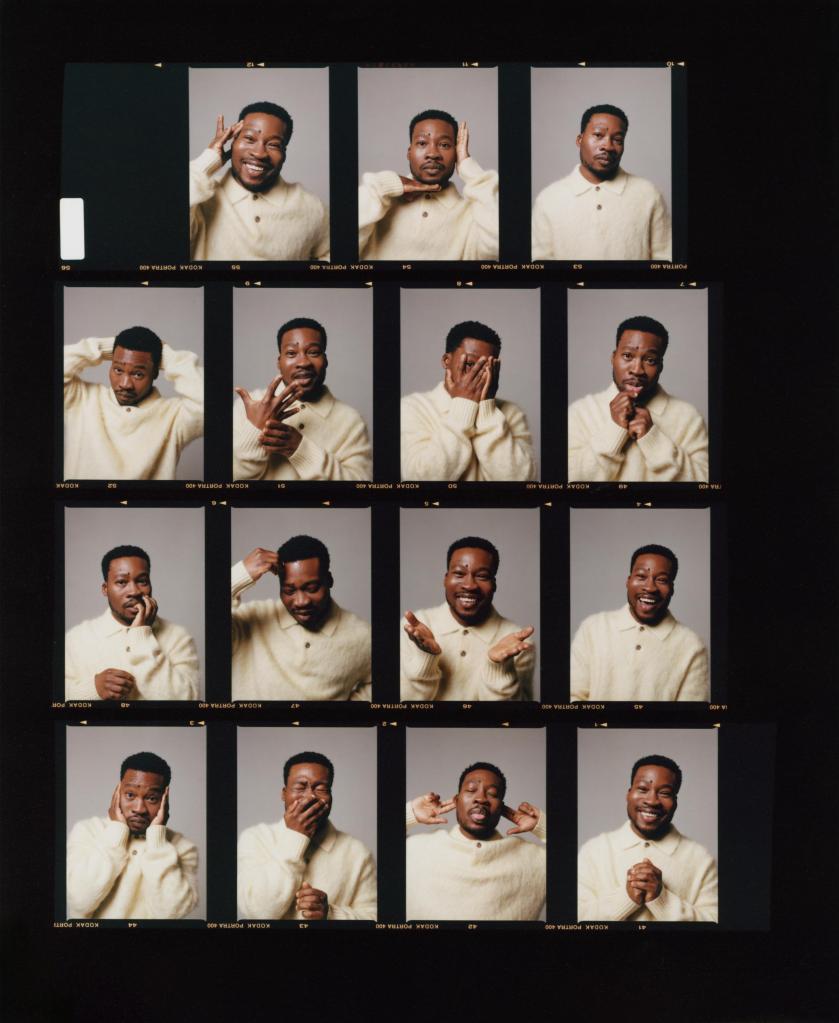
Jumper COS
What was Kate like as a director?
She’s super hands-on. She’s really specific, but really playful. I thought she’d be quite dogmatic or bossy because she’s so clear and pristine in her acting. I assumed that’s how she’d be as a director, but she was really playful with everything. It was all, “Oh, I wonder,” “Can we try this?” She understands filmmaking on an astonishing technical level, every comma, beat, light, everything, but she delivers that knowledge with playfulness. She was full of beans every day. It was scarily easy and scarily relaxing. If there was drama or something needed fixing, she’d say, “All right, we’ll take a break.” She sees problems and fixes them quickly, and she likes to fix them herself. She’s very hands-on. A lot of sets aren’t run like that. They can be stressful and unhelpful for actors. This was very helpful for actors.
After working so closely with her, was there any advice she gave you that you will take with you during future jobs?
She gave me two pieces of advice. The first was about American accents. The second was that when you get a character, ask yourself hundreds and hundreds of questions. She said that builds a safety net so you can turn up knowing your lines and not pre-plan anything, because you understand everything about that person. If they walk into a room that’s too cold, you’ll have a response in character because you’ve done the work. She said, “Build a safety net.” That way nothing can catch you off guard, because you know how that person would react if someone ran in and threw water at them, or told them a parent had died. You just know. So you don’t have to torture yourself for tears or anything like that. She also made sure the filming environment was always super calm, with as little crew in the room as possible. She ensured it was a really artistic, actor-focused process, which was helpful for me because I sometimes struggle with confidence on screen.
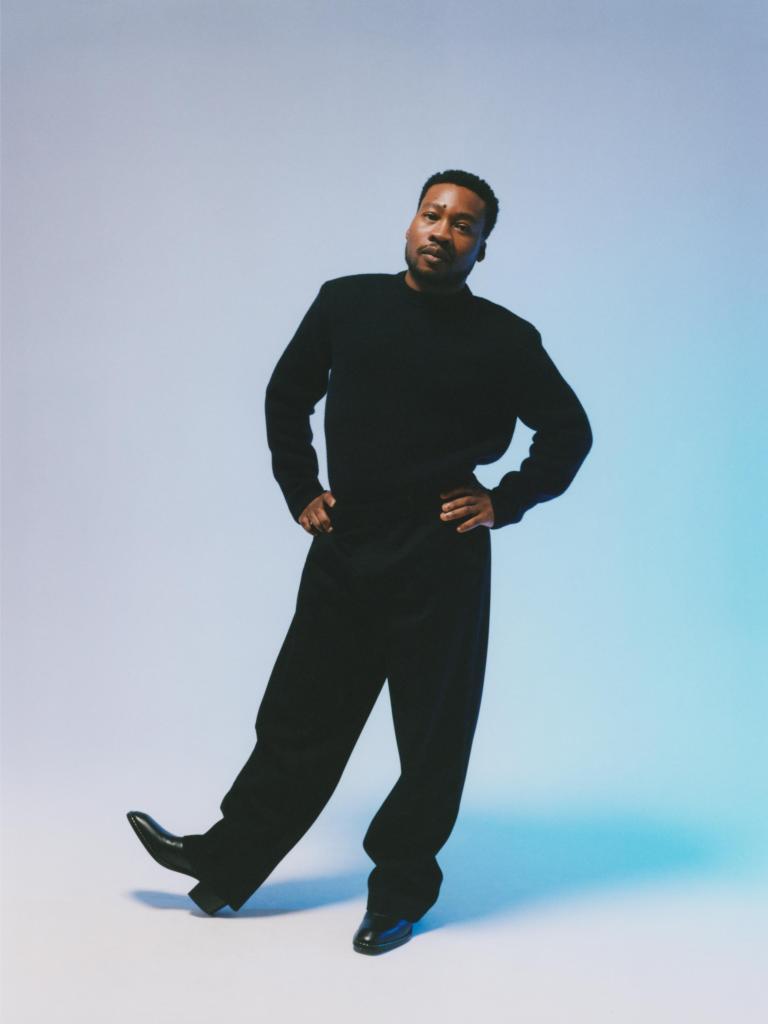
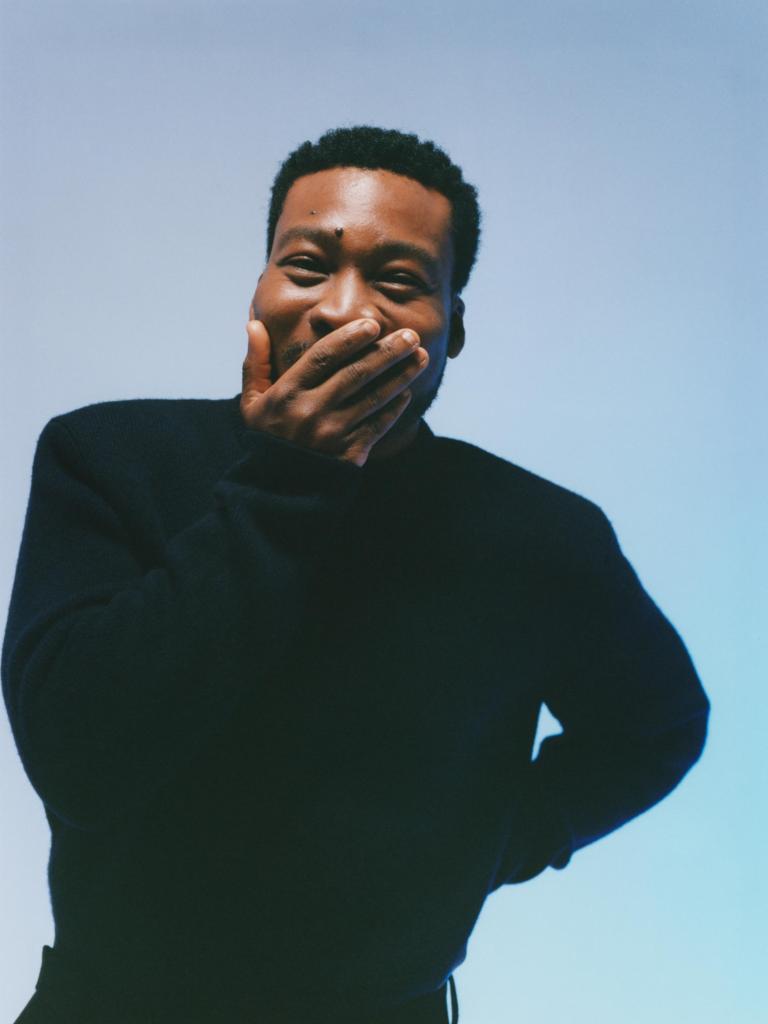
Jumper and trouser COS / Shoes Jimmy Choo
Do you find it easy to ask questions? Some people see it as a negative.
What I’ve realised is that there are useful questions and not-so-useful questions. If you’re playing a lawyer, it might be important to know what their most important case has been, or when they really messed up, or which teacher made them understand what being a lawyer was. That’s all useful if it links to what happens in the story. If that lawyer loses a big case in the film, it might help to craft a backstory about another time they lost or thought they were going to win. But it’s probably not necessary to know their favourite colour if it never comes up. You can do that work, but I find it unnecessary unless you’ve got the luxury of a year to prepare. It’s more useful to ask questions that link directly to what happens in the film.
What do you hope viewers will take away from Goodbye June?
Deal with the small stuff when it happens so it doesn’t become big stuff later. I think we’re quite avoidant as a society. We don’t really deal with things in the moment; we wait a decade and get therapy. If we were better at addressing things when they occur, maybe we wouldn’t be so tense, anxious, and stressed. Face tragedy head-on. June is allowed one moment in the film where she cries about her situation, but every other time she’s saying, “I need to fix my face. I need to get things done.”
I love the makeup scene in the hospital.
When she says, “You don’t mind if I die?” It’s gorgeous. And then, “I’ve never died before. I want to look good when it happens.” There’s something really potent and comforting about facing it head-on. Yes, it’s sad. Yes, I’m not going to be here anymore. But let’s not turn it into something else. It happens to everybody. We’re all going to go through it one way or another. Let’s just deal with it. Everyone’s alright.


Full Look Oliver Spencer / Shoes Jimmy Choo / Sunglasses Jimmy Fairly
You’re also known for playing Mr. Ajayi in Netflix’s Heartstopper, which has become a huge phenomenon around the world. What’s it been like seeing the audience of that show grow and become a global success?
It came out of the blue. We made it really cheaply in Slough and were just happy to be making a nice gay show that was optimistic, loving, and caring. We had a great time, and then it came out and it was like a volcano went off in our lives. Everyone was talking about it. I was being recognised in the street by teenage girls all over the country saying, “Are you Mr. Ajayi?” which was really lovely. I’ve also met young boys who’ve said they came out to their mum because of the show. That legacy is the most important thing to me. Having young gay kids feel like it’s okay is so gorgeous. It’s given me some nice holidays and Michelin-star restaurants, but it’s also really fulfilled me. It’s healed a bit of the bullied child in me. I’ve got a husband, I’m openly and happily gay, and I feel good. I’m part of something that’s poured love into the world.
Next year, Heartstopper will come to an end with a movie. How are you feeling about that?
If I’m completely honest, I’m at peace with it. I feel like I did what I needed to do. Mr. Ajayi had his impact in season one, and then with Mr. Farouk in season two, and after that other arcs took precedence. From that point I felt like I’d done what I needed to do and people had experienced it. I’m happy to wave it farewell, but it will remain one of the biggest joys and privileges of my life.
What genre/roles would you like to dip your toes into next?
I’d love to do a fantasy, but I want powers. I don’t want to be a medieval sword-swinger. I want to be Eleven in Stranger Things. I’ve done a bit of sci-fi and I want to do more. I want to fly a spaceship and shoot some aliens. Being a wizard sounds ridiculous to say out loud, but I think I’d really enjoy playing someone who wields magic on screen, especially with practical effects rather than CGI. I love things like The NeverEnding Story. I want films made in that style. I’m a big Harryhausen fan and I love The Golden Voyage of Sinbad and Clash of the Titans. I want to be in something like that with loads of claymation and practical effects.
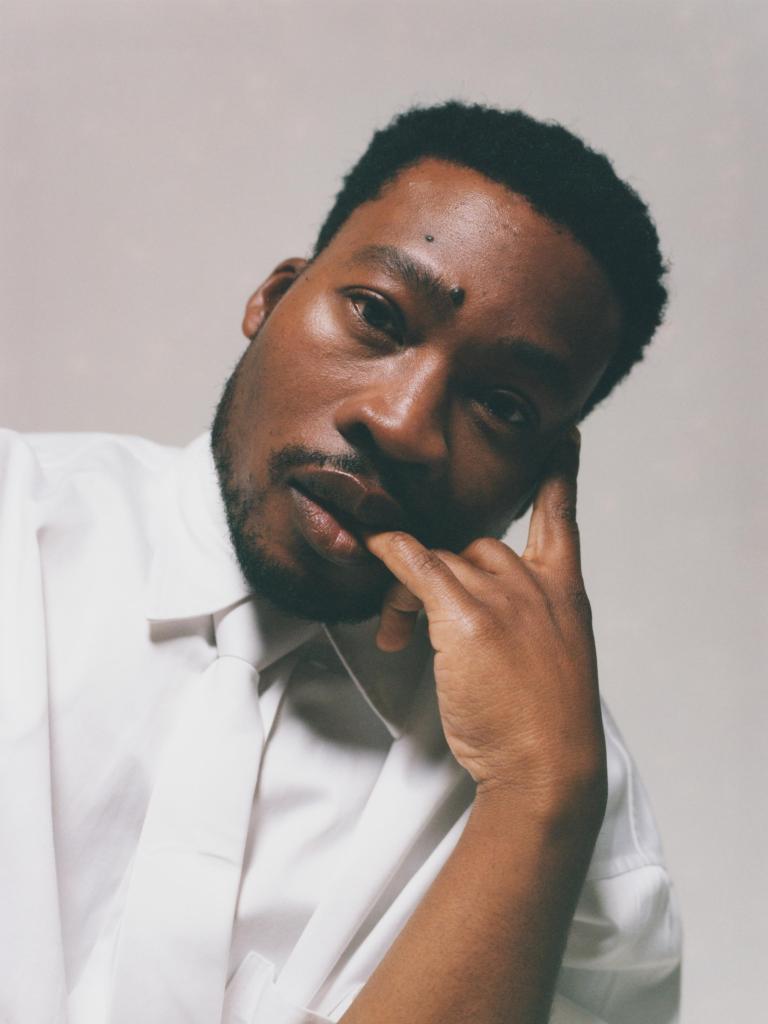
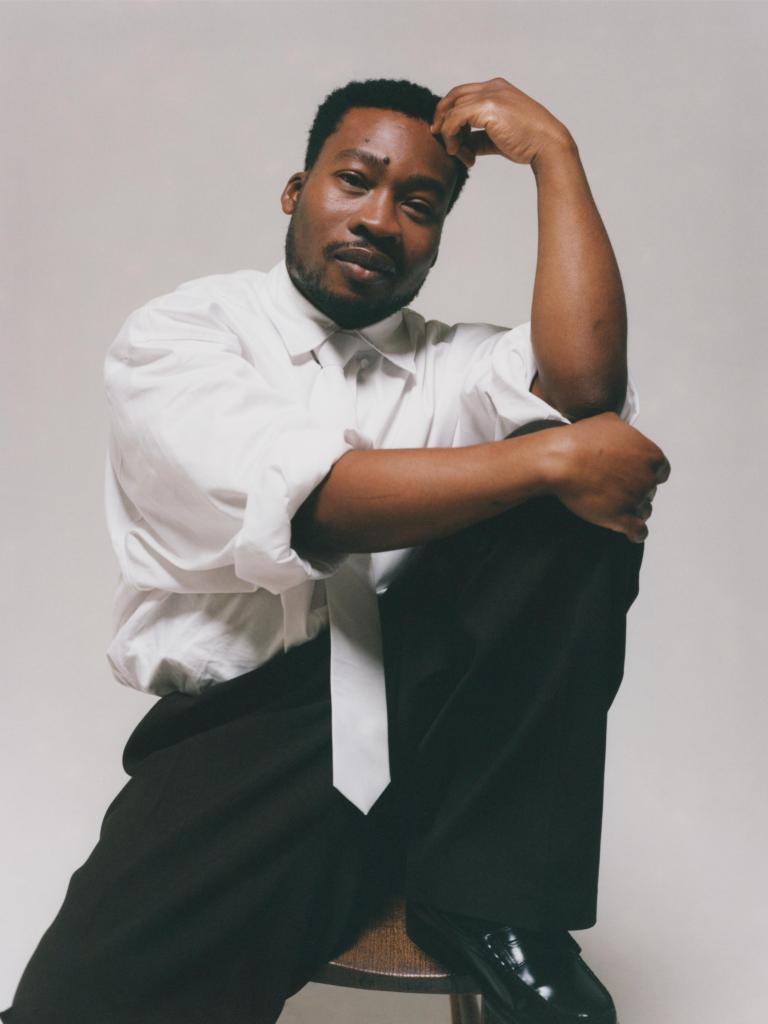
Full look The Frankie Shop / Shoes GH Bass
I read you saying a few years ago that you prefer the stage to the screen. Do you still feel that way?
They’re becoming more equal in my mind, and I’m getting more comfortable, but stage is how I started acting. It’s where I learned how to act, so I’ll always be more comfortable there. You’re more in control on stage. No one’s editing your performance and taking bits you don’t like. I like being in control of my performance, but I also want to do more screen work so I get more used to it. It’s an amazing medium. When you look at someone like Philip Seymour Hoffman, one of the greatest, I want to learn how to do what he did. So part of me wants to do more screen work, but I think I’ll always be more comfortable on stage.
Even the audience can change everything. You might see a show on a Monday and I see it on a Tuesday and we have completely different experiences. That’s magic. I love seeing a show twice and having it be ten times better the second time. You can’t control it. It’s the chemistry of the day, what’s happened to you, what’s been said, whether you and another actor are getting on, whether you’ve eaten too much or not enough, had too much coffee. There’s no rhyme or reason why one show is the best you’ve ever done and another feels mediocre. It’s the most human thing. Screen is forever; theatre changes.
I love crafting a laugh on stage. You can try something, listen for the laugh, adjust it, and build it over a few nights until it lands. I can’t do that on screen. The thing I find hardest on screen is being funny, because there’s no reaction. All you have are your instincts. That’s why I love comedies. I don’t understand how someone does something ridiculous and just knows it’ll be funny. We all know what sadness, anger, or tears feel like. But telling jokes that land with millions of people with different senses of humour is a miracle.
Aside from Heartstopper, what else do you have in store for 2026?
Definitely more screen work. I can’t say exactly what right now but it’s something that’s already been announced, but my involvement’s not been revealed yet.
‘Goodbye June’ is on Netflix from December 24th.