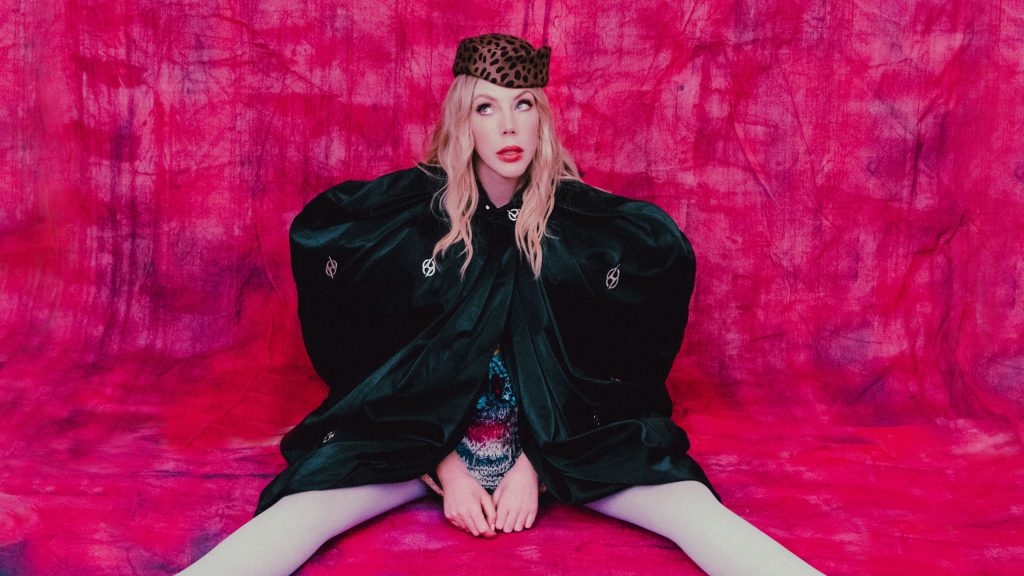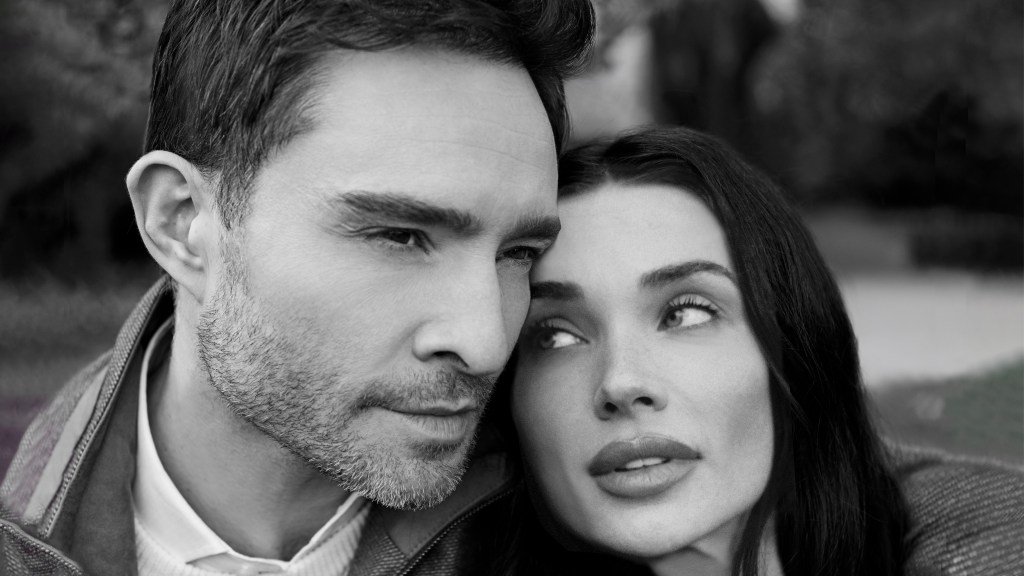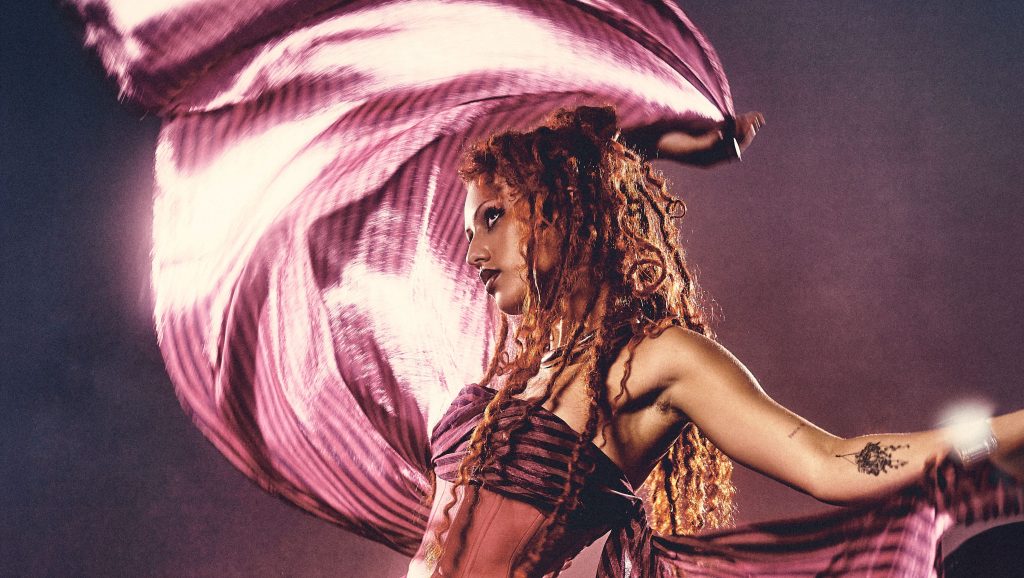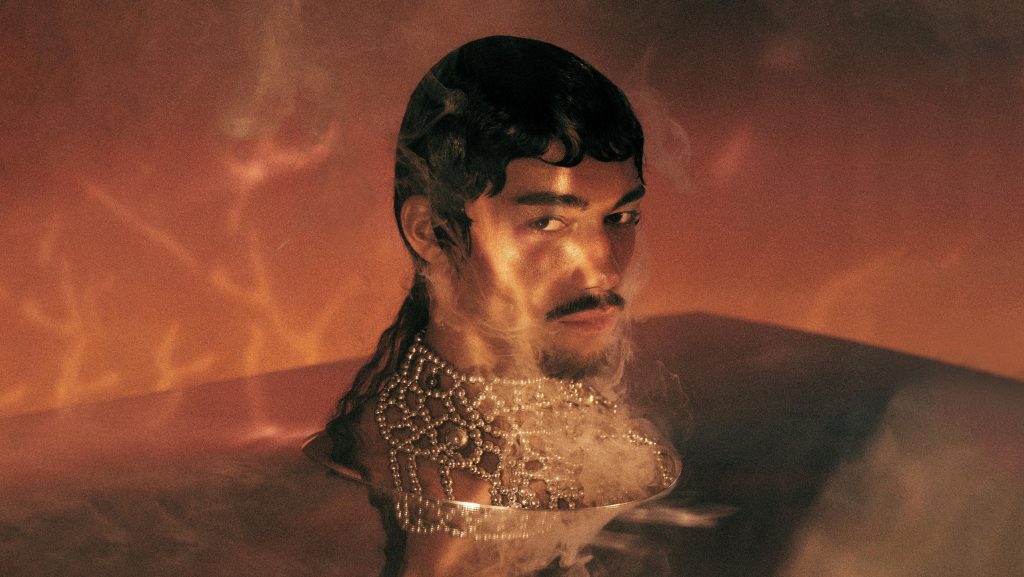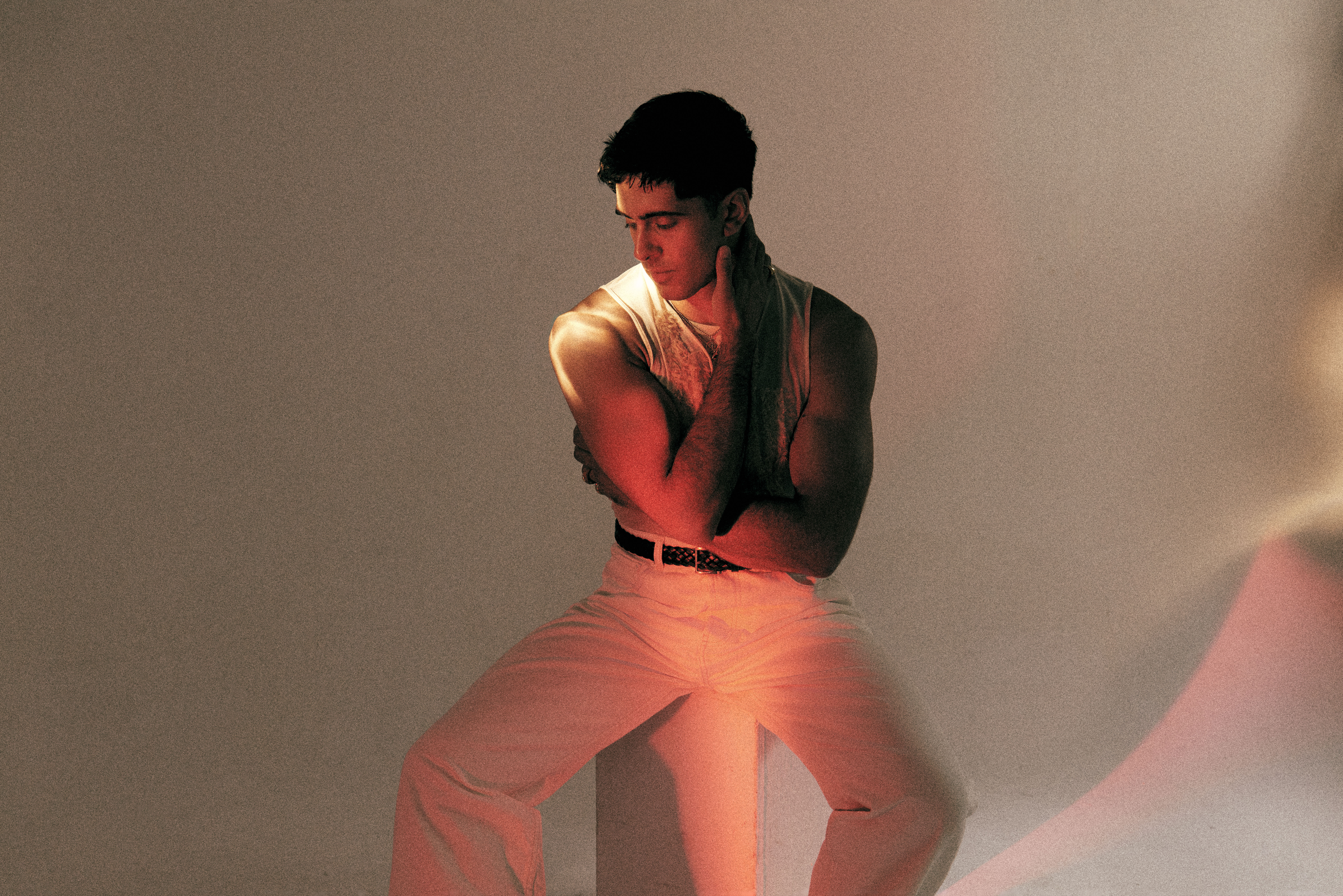
Arian Nik is having a moment. Following his acclaimed turn in Count Abdulla, the actor is stepping into an exciting new chapter with The Split Up, alongside a great cast including Ritu Arya and Sanjeev Bhaskar. A spin-off of fan favourite The Split, the series brings a fresh story and its own identity.
Set within Manchester’s high-powered divorce law circuit, Nik stars as Kav Kishan, part of the Kishan family and the people behind Kishan Law. From chaotic family dynamics and big ambitions to questions of legacy and everything in between, the show delivers a gripping family drama set against the pressures of a unique world.
PHOTOGRAPHY
David Yeo
FASHION
Elena Garcia
GROOMING
Shamirah Sairally
PHOTOGRAPHER’S ASSISTANT
Chris Proctor
We sat down with Nik for a refreshingly open conversation about immersing himself in the world of Kishan Law, working alongside his castmates, and the journey that has followed Count Abdulla. We also got into representation, using his voice, navigating the realities of the acting industry, finding balance, and the kinds of stories he wants to tell next.
You’re starring in The Split Up, which is exciting. Tell me about your character. What was it about Kav and the show that made you want to take the role, and how would you describe your character to someone who obviously hasn’t met him yet?
I was a really big fan of The Split and I’m a big fan of Abi Morgan. I think the way that she writes characters and relationships is so nuanced. So when I heard that she was creating a spin-off version of the show with Ursula Rani Sarma as the showrunner and lead writer, I was locked in. I actually heard about the show when I was shooting Passenger with Sister, three years prior to The Split Up going into pre-production. I heard about the show and bits about Kav. He’s a very quick-witted, smart, but also a very tired young man. Constantly running on the hamster wheel of his family’s expectations in an attempt to match their success. He’s surrounded by really, really high-flying siblings and a very, very successful father. The pressure of that, and the pressure to deliver and meet the expectations of the people around him, just sounded like a very complicated young man. Also, he was gay, but his queerness wasn’t the centre of his story. That immediately had my ears pricked


Full look Boss
It’s such an intriguing setting because it’s within a divorce circuit, it almost sounds like the divorce mafia. It’s not a story focus I’ve seen in shows before.
“Divorce mafia” as a term is very good. Even in the office of Kishan Law, the office where we work, there’s this portrait of the family. It’s me, Mum, Dad and my two sisters. It’s very meet the establishment. There’s such an opulence to the way that this world is dressed. Our costume designer, Sam Yeoman, brought a real grandeur and elegance to our looks. They were full of rich colours and the textures. But you’re right, it does sort of feel like divorce mafia. I really love that. I’m going to steal that.
Remember I said it first. The Split Up comes from the world of The Split, which already has its own following. Did you feel any pressure doing a spin-off, given that there was already such a successful show?
There’s pressure because we are within the same world. A world that’s really loved by audiences. But honestly our family and set-up is completely different. We very much focused on the specificity of this family and this city. It carries the themes of The Split, but it’s an entirely different show. It’s set in Manchester, very much a character in the show, and we are a South Asian family. Fans of The Split will watch it and it will feel familiar, but distinctly different at the same time. I think leaning into the specificity of our characters and this particular world really relieved that pressure of, “Oh God, I hope it’s as good as The Split.” Because it simply can’t be. It’s its own thing but still carries the universality of the themes Abi explored in The Split. Love, lust, family and success.
Manchester’s high-net-worth divorce world is quite a specific setting. What kind of research went into creating your character, making him your own and making the world of Kishan Law feel authentic? How did you prepare to really immerse yourself in that setting?
Kav hasn’t fully qualified as a lawyer when we meet him at the start of the series, so the pressure was sort of off for me to really, really understand the world of divorce law. He actually failed his exams three times, which did me loads of favours. But the research that I did was, I guess, to really understand the world that these characters operate in. They’re very wealthy. They’re very affluent. Tasteful, not flashy. It was really understanding where they dine, where they shop, how they live, really understanding a family where money isn’t the centre of their concerns. I’m from a working-class background. I was born and raised in Leeds, to a single mum until my stepdad came on the scene when I was about five. The world I was coming from was very different. My dad owns a takeaway not a multi-million pound grossing law firm to the elite. So I immersed myself in that world – watched a lot of videos, Instagram stalked some rich people. I have versions of Kav that I follow on Instagram. That was sort of my entry point.
I did drop into the law section of Foyles but I was looking through all of the shelves like, “I don’t fucking understand half of this.” I didn’t even know what the titles of these books meant. But I did pick a couple off the shelf and they lived on my bedside table for the four and a half month shoot. I don’t think I got past page 10. I’m not going to pretend that I did a fast-track divorce legal course. Absolutely not. I tried and it melted my mind. The terminology was insane. So I was like, there are other ways that I can figure this out.
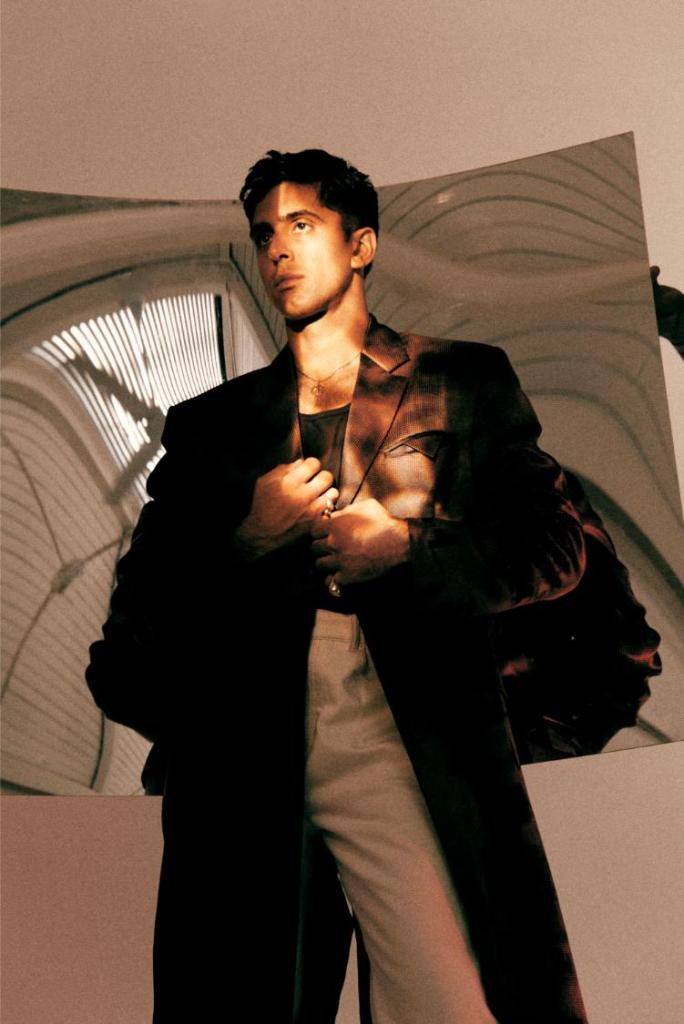

Jacket Denzil Patrick / Vest Sunspel / Trousers AMI / Rings Dinosaur Designs / Necklace Arian’s own
Only reading 10 pages of a huge divorce law book does kind of fit with him failing his exams three times.
So I’ve done my prep. I was perfectly typecast, truly. When I was in Year 10 we had two weeks of work experience. I wrote to the Leeds Playhouse for one week for the second week, I wrote to Leeds Magistrates’ Court – my parents really wanted me to be a lawyer. I wrote a really good personal statement and enthusiastic letter to them about being interested in being a lawyer and somehow got a place on Leeds Magistrates’ Court work experience. Which is really kind of a big deal because they only take on two people a year. A couple of days before the work experience was about to start, this arts group that I went to in Leeds was doing a week-long residency at this place called Art in Action. They were like, “Hey, we have a spot opened up. Do you want to join us? You can just pass it off as your work experience. You basically just get to have fun for a week, watch loads of plays, see loads of art exhibitions, etc etc”. And so I did that instead…
The Friday before I started the work experience at the courts, I was like, “Hey, something’s come up. I don’t think I’m going to make it anymore.” I just parred off doing the week of work experience in a court, which probably would have really helped me in prep for Kav. But alas, here we are. Again, very Kav-coded to just cop out like that.
Haha, very Kav-coded indeed. Did you film everything in Manchester, or was some of it in studios?
No, we shot pretty much all of it in Manchester. All of the exteriors you see are in Manchester or surrounding areas. The main Kishan Law is the old Leigh Town Hall. It’s a small town on the outskirts of Manchester. It’s a beautiful listed building where they built, the skyline of Manchester around it. We essentially turned this listed building into a studio. It was really cool to shoot in Manchester, the city has such a clear identity and rhythm that really informed the show. To have shot anywhere else would have felt a bit meh.


Vest Feng Chen Wang / Jeans and belt AMI / Shoes Grenson / Necklace Arian’s own
What was it like working with your fellow actors? Was there anything you took away from working with them?
We really lucked out with the most incredible cast.
It meant that on long shoot days, on days that we were unsure, on days we were scared, on days we were excited, there was this ensemble of people that really supported each other. We’d run lines with each other, but we’d also help each other out. We’d be like, “Oh, have you tried this on that line?” or “What would happen if we played the scene this way?” It felt like doing a play in that respect. We all shared a green room, we all shared cars, there was a real sense of a level playing field and all of us just trying to make this story the best version of what it could be. It’s also an all-Brown cast. How often is it that you see a BBC primetime drama with such an aspirational family that’s different to the tropes we’re used to seeing?
We were aware of that, and having each other and being able to support each other meant that we didn’t worry about the noise outside of the set and we could really just focus on the thing that we were making.
Absolutely. It’s such a great cast.
Honestly, so good. Sanj playing my dad was a profound experience. The man is brilliant actor and a wonderful human being. He taught me so much about gratitude and kindness. To be who he is and to have paved the way for so many Brown actors yet still be so grateful and humble – it’s very cool.
I love that! Random question: are you someone who steals props from set? I love when people tell me what they’ve stolen.
100%. And I’ll tell you why: because that stuff ends up in a storage unit or somewhere in the production company’s building – lost forever. I stole a “Kishan Law” filofax and a lot of fucking pens.
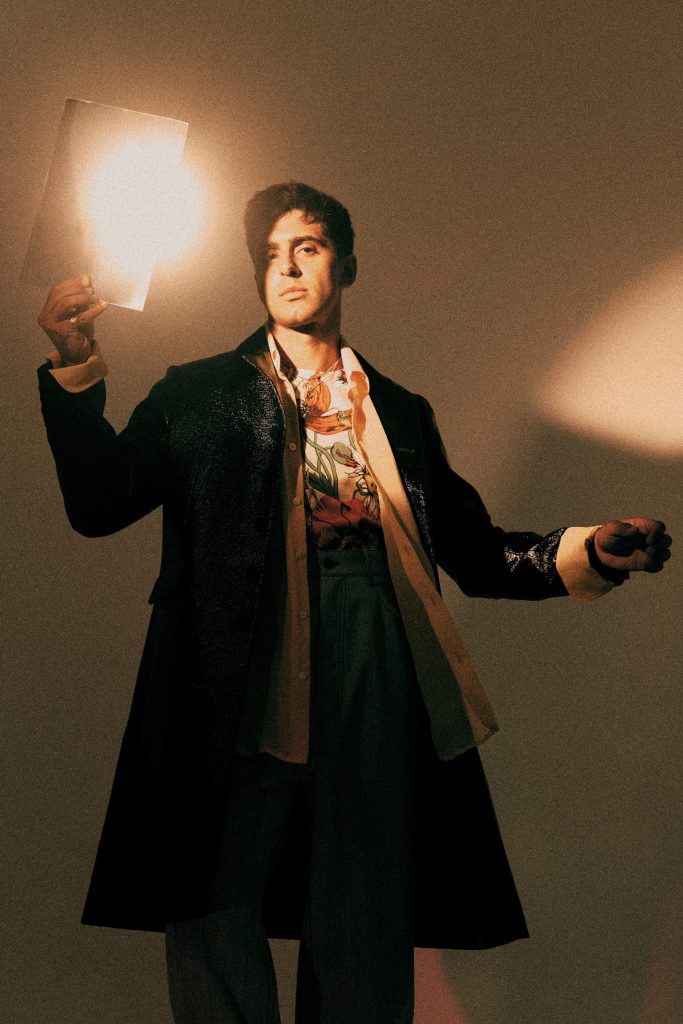

Jacket, shirt and trousers Onitsuka Tiger / Vest Adam Jones / Shoes GH Bass
Such a flex to have those branded props and use them in public! You have also done some theatre work. What would you say is the main difference between TV and film and theatre? And how do they compare?
I think there’s two big differences that I noticed the most. One’s the process. On stage you have a whole rehearsal process where you get to understand the world of the play, understand the characters, understand the interpersonal relationships, understand the tone. All of these discoveries you make in a room with the people that you’re telling the story with, for like four weeks before anyone gets to see it. And then when you get to share it, you get live feedback. So you’re seeing how it lands with an audience and you get to play with them and respond to them the way they’re responding to you. And it feels like a bit of a dance. When you’re doing screen, often you don’t get a rehearsal process. So your first rehearsal will be on set in costume, everyone having learned their lines and you’re blocking through the scene and trying to figure it out. You’re finding the tone on set. You’re finding your character. And then you don’t get to see a response. Like in theatre, after four weeks, you get to put it in front of an audience and you get to see how people receive it. You are part of the storytelling vehicle and it’s a shared, live experience. Whereas TV, you hand it to over and then it goes into an edit for months. And then they package it in a certain way and release it into the world. It’s harder to find closure with screen.
Have you ever had a situation where you’ve reshaped something based on reaction for theatre? If there was something that you found didn’t land or landed in a different way than you’re anticipating?
Yeah, I did a play at the Royal Court called Blue Mist, which was one of the best working experiences I’ve ever had, in terms of a process and the company and the writing and the director, everything. The Royal Court’s a dream theatre for me. The play was about three young brown men in a shisha bar and the play explores a fracture of their friendship but full of so many culturally coded jokes that are for a very specific community, which we somehow managed to get to Sloane Square to see this thing come to life. It was amazing.
Because the first half of the story feels light the audience were seeing themselves reflected, it meant that a lot of the jokes slapped really hard in the first half. It was easy for us to get carried away on the laughter, but actually what the story needed was for us as the actors to strap in and anchor down and work past the jokes to really pull the audience through the entire story. Certain lines and moments of the play acted as checkpoints, like tent poles in the story we knew we had to carry the audience to. They’ll have the laughter in between, but if they don’t get to those checkpoints, when it comes to the fracture of the friendship at the end of the play – it would be worth nothing. So yeah, it often happens, but that’s the gift of it. You just get to do it on the spot.
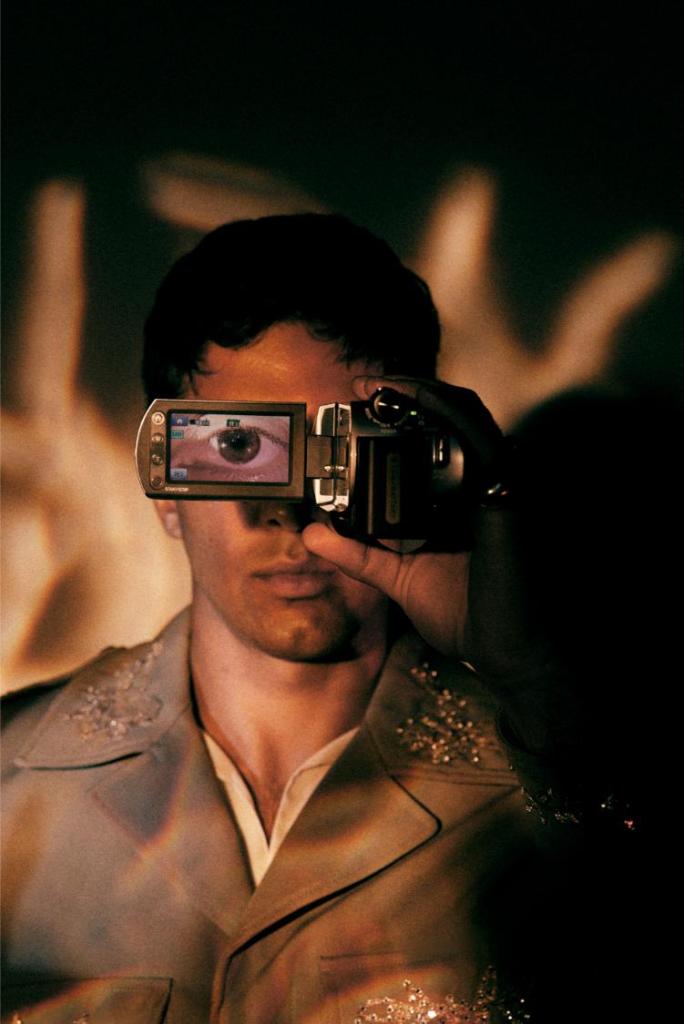

Jacket and trousers Amiri / Shirt Denzil Patrick / Rings Dinosaur Designs
And speaking of feedback as well, when it came to Count Abdulla, which was actually the first time I came across you, the reviews were so strong and the critics were really overwhelmingly positive. What did that kind of response mean to you?
I think that response for me was honestly a relief. I’d never led a TV show before, and a Muslim vampire is a very specific exploration and lens on a comedy. I was really relieved by the reviews because I was like, oh, they get the thing that we’ve made. I was really excited for what could possibly come next. I’d spent so long working in theatre and doing little TV jobs which were really fun but part of really big machines, and I was like, oh great, I’ll get this lead and then hopefully snowball.
And I think while the reviews are really wonderful, I think it was really sobering after the show came out to not necessarily jump into another lead role or another supporting role for quite a while after.
Looking at my white counterparts in the industry, I was like – I’ve seen this formula work for so many people before. You book a lead role, you get a good publicist, you do some really good campaigns and then it’s like, next stop Marvel. And it just didn’t work out like that for me. I don’t always like making it about race, but it felt as though I’d done everything I could to give me the best run-up.
And that’s actually all right. I learned a lot from not going that way and it meant that I continued to work on my craft and work on the stories that I wanted to tell and work on myself as an actor and as a person.
What kind of person do I want to be in this world? It made me buckle down and be like, actually, let me figure out being a person first and then the rest of it will come. I worked on some really cool projects after, but my career wasn’t as linear as I thought it would be, which I think is probably naive of me to think, but when I looked around me, I was like, it seems pretty linear for other people. People think you’re absolutely minted as well. They think that you do a telly job and you don’t need to work again.
Television doesn’t pay what it used to and it’s not American money. With the amount of streamers there are, there’s just so much content now that they know that actors want to work. So the money isn’t actually enough. Once you’ve paid the tax man and paid your rent and your bills, it’s squeaky bum time. Literally last month I was emailing role-play companies to be like, “Hi, I’m an actor. Here’s my fucking IMDb page with the shows that I played lead roles in. Do you have any role-play positions? I’m really good at playing a sick person. Or a person that’s got a gammy foot!”
There’s obviously Daddy Issues as well on Film Club that you did with Aimee Lou Wood. I kind of wanted to touch on that relationship a little bit because it seems like there’s a nice friendship there. What’s it like working with her?
It’s an absolute joy. It doesn’t feel like work. We are constantly surprising each other in the scenes. That level of playfulness is so freeing. Everything’s on the table. Anything could happen and that’s what storytelling should be about. I think she’s supremely talented, a very special human being and a really wonderful friend.
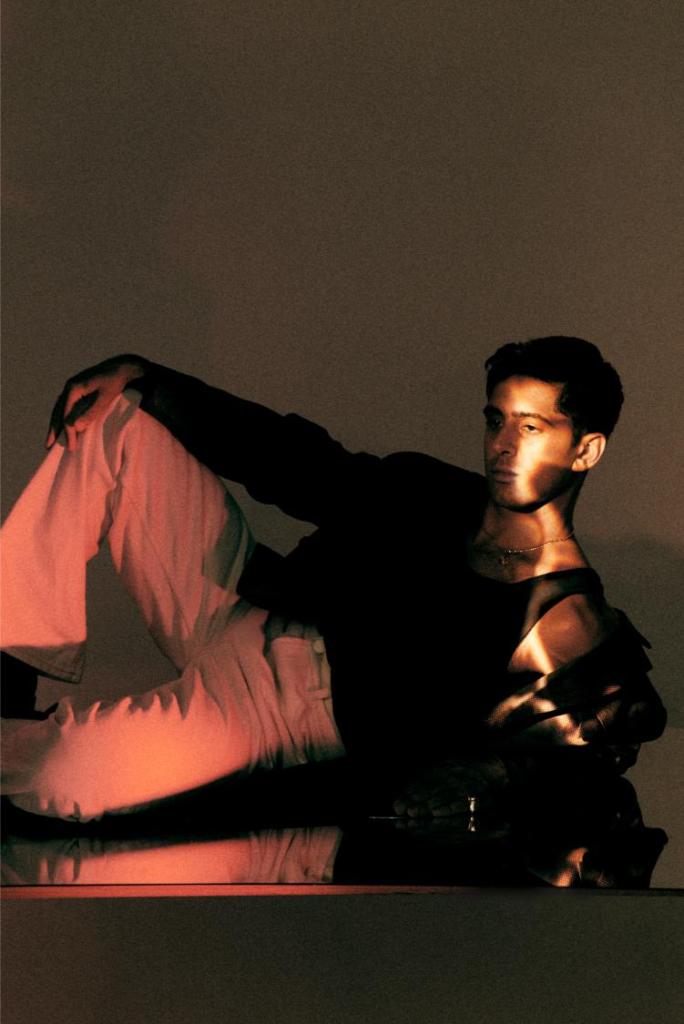
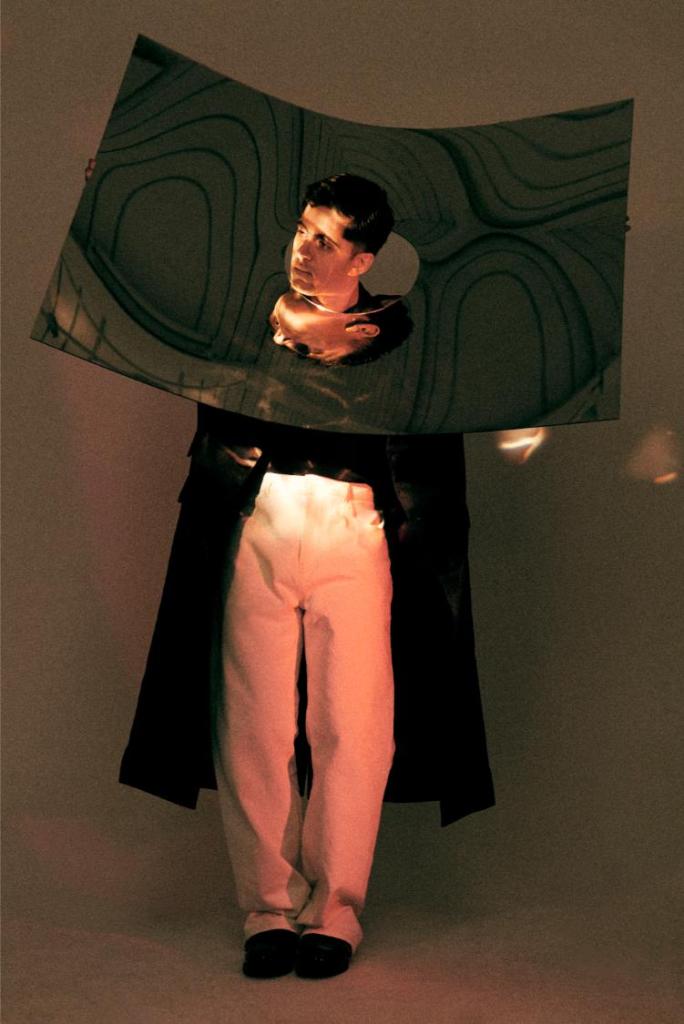
Jacket Denzil Patrick / Vest Sunspel / Trousers AMI / Rings Dinosaur Designs / Necklace Arian’s own
Let’s talk about your appearance on RuPaul’s Drag Race UK, because that’s really exciting. How did the guest judge role come about?
I was actually shooting The Split Up in Manchester last December and I got an email from the Drag Race team saying they were fans of my work and would love to have me on. I’ve always been such a huge fan of the show. I started with the Bianca season. That’s sort of like when it came onto my radar and then I binged backwards and then have been up to date since. I’ve always watched it being like, God, wouldn’t it be fun? The whole experience was a fever dream.
It aired last week – what’s the reception been like?
Thirsty.
Say no more! Do you ever think about the things you watched growing up and how little of yourself you saw?
Yep, that’s always the thing that keeps me pushing on. We are so often the afterthought in stories.
It can feel exposing telling stories that haven’t been told before or occupying new spaces as a queer brown man. But ultimately it’s claiming a space at the table. I can’t complain that there aren’t enough stories and opportunities for us and then turn my nose up at one when it comes along. If we don’t do it, we just don’t exist.

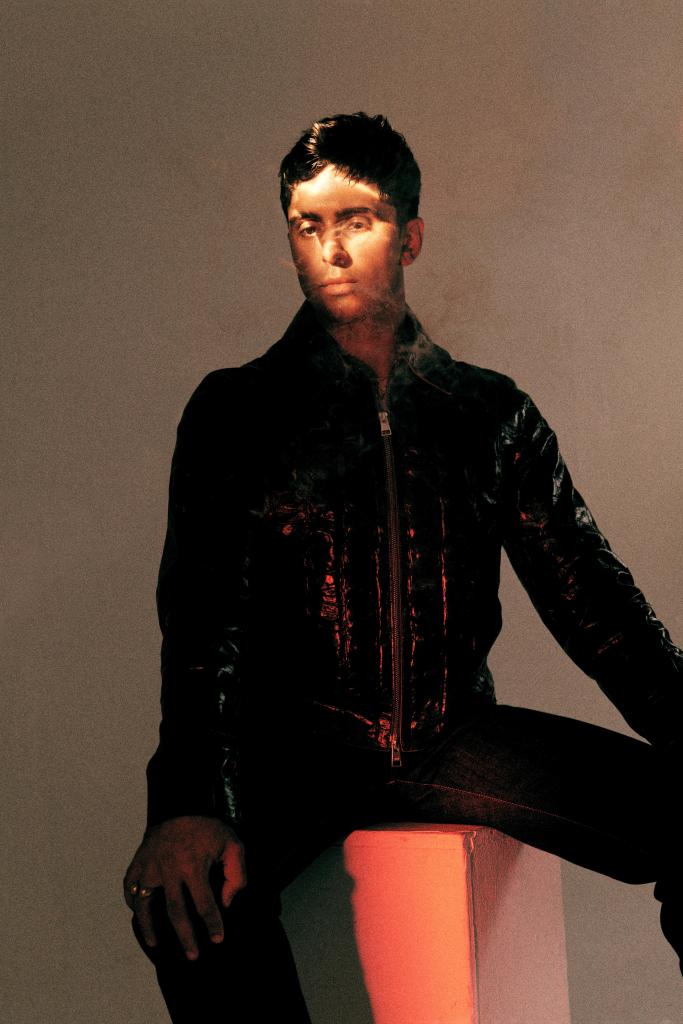
Jacket AMI / Jeans Blue Blue / Jewellery Dinosaur Designs
Being an openly gay man, and someone who posts publicly on socials about causes they believe in – such as speaking up on the situation in Iran – do you ever wonder whether either of those things could affect the roles that you’d be offered? How do you find the balance, because both of those things are important and need to be spoken about, but do you ever worry that there’ll be repercussions that could negatively affect your career?
Yeah it’s definitely a consideration. I can totally understand the fear of the consequences to voice our political opinions, especially as actors. But I think we live in a time where hiding your politics is redundant. It’s scary out there and it’s important we use any platform we have to shed light on the fuckery of the world and political systems that have nations in chokeholds. Whether that’s the Iranian government with its own people or Israeli state with the Palestinian people. I think the time for neutrality is long behind us. Art and politics are inherently linked.
It makes me think of Melissa Barrera, around Scream 7. That was a whole situation. I actually watched an interview with her today on a podcast, where she was talking about being blacklisted by Hollywood.
Melissa Barrera is a G. Her bravery just shows that if you can be radically authentic and truthful about the things you believe in and where your politics lie, you’ll make someone else feel seen. That leads to so much more joy and abundance than being too scared to speak in case you lose out on work.
Do you also think that’s an age thing though? Because I never used to really feel like that in my 20s, but now in my 30s I absolutely do.
For sure. I learnt in my 20’s that living my life for other people isn’t sustainable. You get to your 30’s and you’re actually like, fuck it. Amma do it my way.
I guess the lucky thing is with what both of us do, you don’t really suffer as much ageism. You can be an 80-year-old actor, an 80-year-old photographer.
You get to meet new people all the time. That’s what I love about it, right? Getting to meet [the Principle team] and it’s just like on this job that I’m on now, getting to meet people that otherwise your worlds might not have crossed.
It’s really cool and it’s validating to meet those people on the way and be like, oh cool, we get each other, great. We’re all moving towards the same thing, it’s cool. All my close friends are people I’ve met on set, whether it’s actors, stylists, hair and makeup, everybody. Because you also have similar freelance schedules as well.
Obviously a lot of your work has been in front of the camera, but a little something that I learned on set [for the Principle shoot] was that you might possibly be writing something. I don’t know if you’re writing it at any stage where you can even share, but is there anything you could shed light on about just what you might be up to on that front?
I’m developing a TV show, which I can’t really talk about. But I am also developing a play with the writer of Blue Mist, Zain Dada. We worked on Blue Mist together, which was Olivier nominated. And then we did a play together at The Bush called Speed. Both directed by Milli Bhatia. This is like our third creative collaboration and we’re writing a play about Prince Naseem who is a British-Yemeni boxer. We are exploring the world of the play and storytelling devices that allow us to enter into Naz’s brain and explore the Britpop era of the 90’s in a really exciting way. That’s sort of all I can say.
From looking at your socials, it might be fair to say that you are well travelled. Is it quite important for you to kind of find the balance of escaping and switching off?
100%. I think I used to be really bad at work-life balance, like really bad at it. But now I’ve sort of liberated myself to be like, if I’m on holiday, I’m not packing my tripod. If self-tape comes through, I can’t do it. It’s such a unique profession in that most of the jobs I know, when they’re on holiday, you’re on holiday. People don’t try contact you. People have an out of office on their email. I don’t even know where the out of office thing is on my Gmail because I’ve never turned it on. But I am getting really good at gatekeeping and fencing off my downtime because it affects how I work. If I’m not rested, I don’t work as well.


Full look Boss
I also just think, what’s the point of working so hard if you don’t get to see the world, experience different cultures, different foods, different music? That is so cool.
Sure, you live in London, right? You get to experience that. I live in Hackney. You step out. And you can experience so many of those things down three different roads.
But it’s a unique experience to be in a different country and experience their customs, recipes and music in the belly of their community. I’m really lucky because work allows me to travel a lot. But I’m trying to holiday more. It’s just spenny, isn’t it? I do it and then I’m like, great, back to the meal deals. Do you get separation anxiety from work?
Completely, yeah. I recently went away without my laptop for the first time. I was still on my phone, don’t get me wrong. My out of office didn’t go on, but that’s the thing as well, being freelance, I don’t have a team of people to just pass the workload off to.
It’s on you, right? And I think it’s the same as being an actor. It’s like, if I say no to that self-tape or ask for an extension on that, there’s a really strong chance that they’ll find someone else in the week that I’ve asked for an extension. Someone will send in a tape and it’ll be wonderful. Similar for you, right? Like if you can’t get back to that email, they’ll look at the shortlist of other photographers.
Do you feel like your upbringing has shaped the roles that you consider or the kind of path that you want to carve for yourself?
Yeah. Access to the creative industries is really important to me. I was really lucky to be a part of The Television Workshop when it was piloted in Leeds. It was basically like free acting training for young people. For me, that was like my gateway into the industry. Without it, it’s really unlikely I’d be doing this today. So access is super important to me. Now I’m an ambassador at my old drama school at Mountview and we’re working on ways that we can create pathways and funding opportunities, for prospective students – particularly those from global majority and working class communities. That’s an intersectionality that’s really important to me.
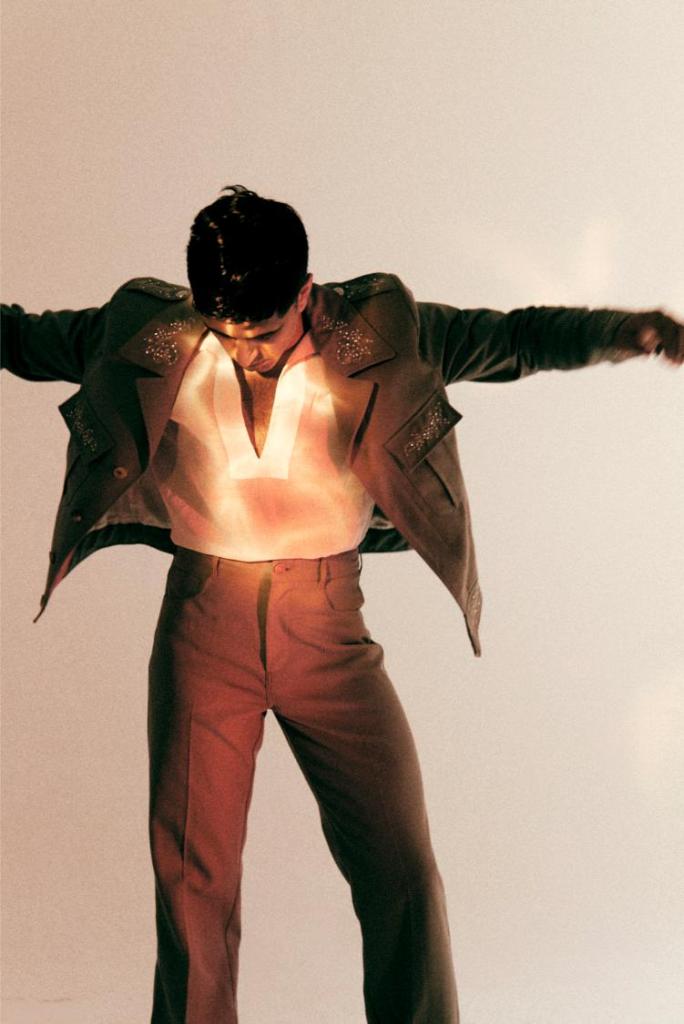

Jacket and trousers Amiri / Shirt Denzil Patrick / Shoes GH Bass / Rings Dinosaur Designs
What’s the next kind of role or story you’d love to tackle?
Give me a spy drama or some magical fantasy shit PLEASE.
Ohh, what kind of fantasy do you like? Is it more Lord of the Rings or Game of Thrones?
Both. They vary. I would rather be mystical and magical, with wings and magic powers, as opposed to being like a warlock. I want to fly. I want to be able to shoot magic things out of my fingers. That’s the kind of vibe.
So, Stranger Things?
Yeah, yeah, yeah. Let’s go.
As an actor, last but not least, what’s your guilty pleasure series or film? It doesn’t have to be a guilty pleasure, more something that comforts you.
I’ve watched Motherland so many times I’ve lost count. I will put an episode on to fall asleep to and it gives me this sense of comfort like no other. Same with Friends. I’ve just started watching 30 Rock for the first time. It’s just brilliant.
There’s nothing guilty about it. I love those too. Look forward to hearing about your next projects. Thank you for your time!
The Split Up is available on BBC iPlayer now.