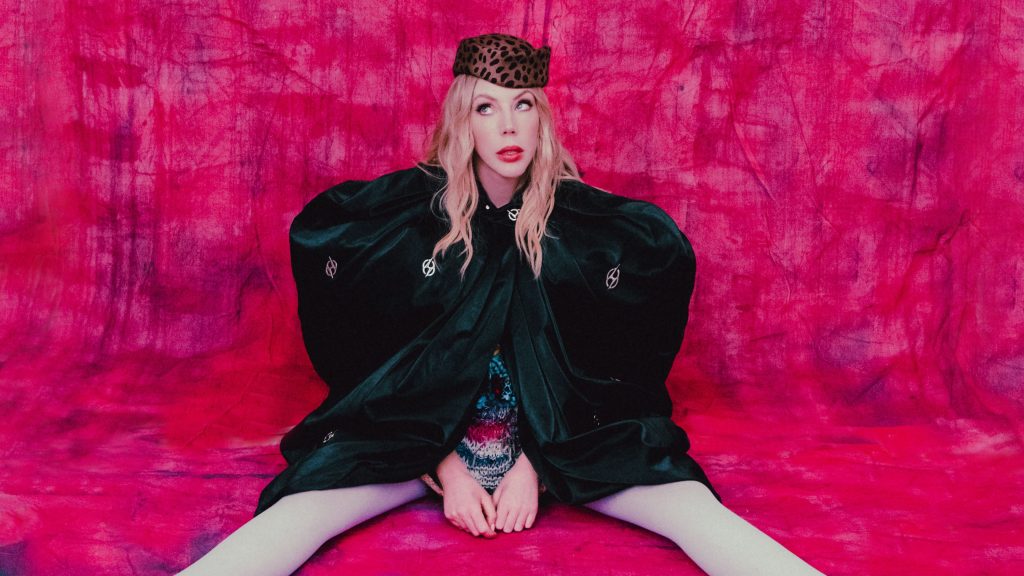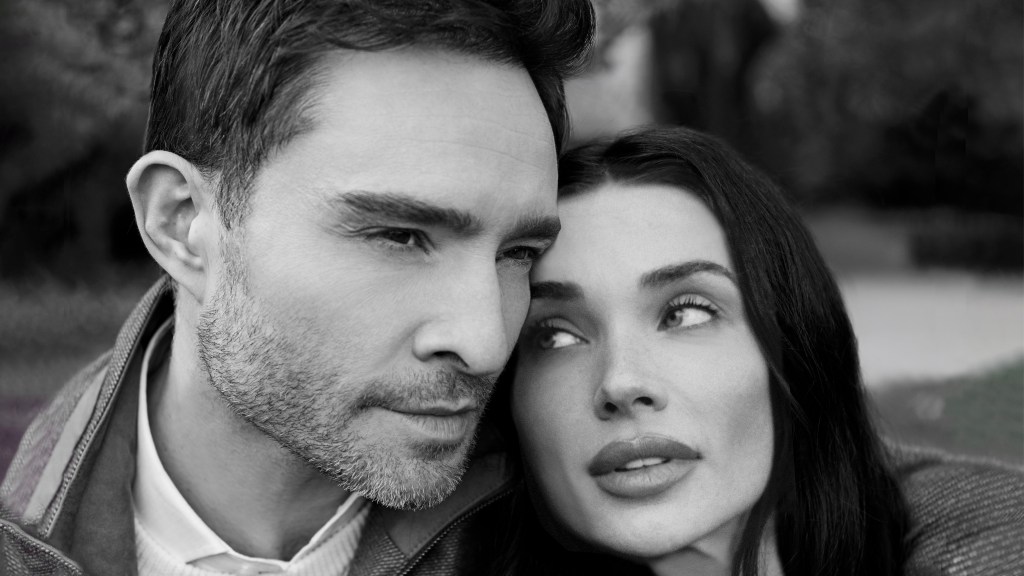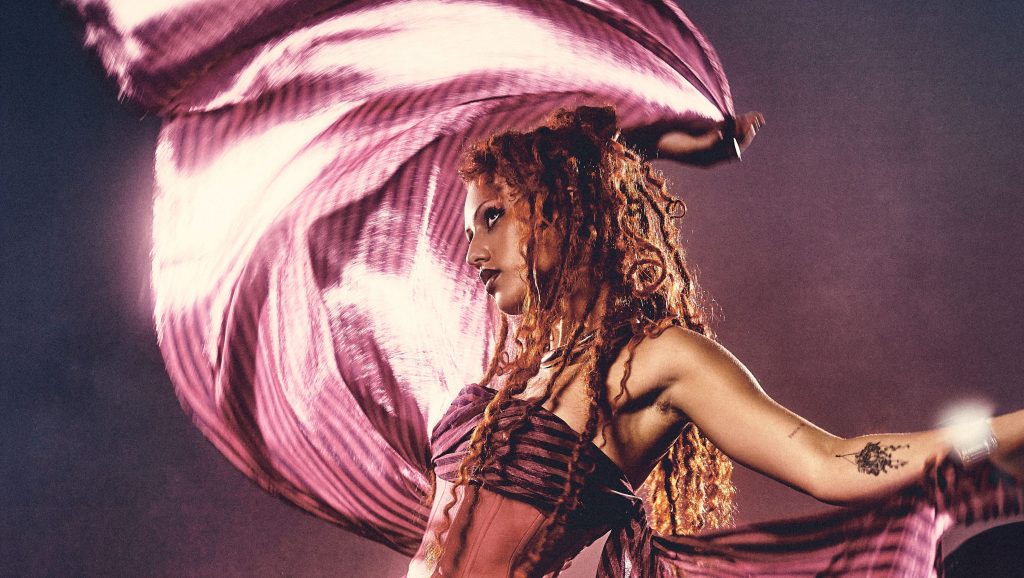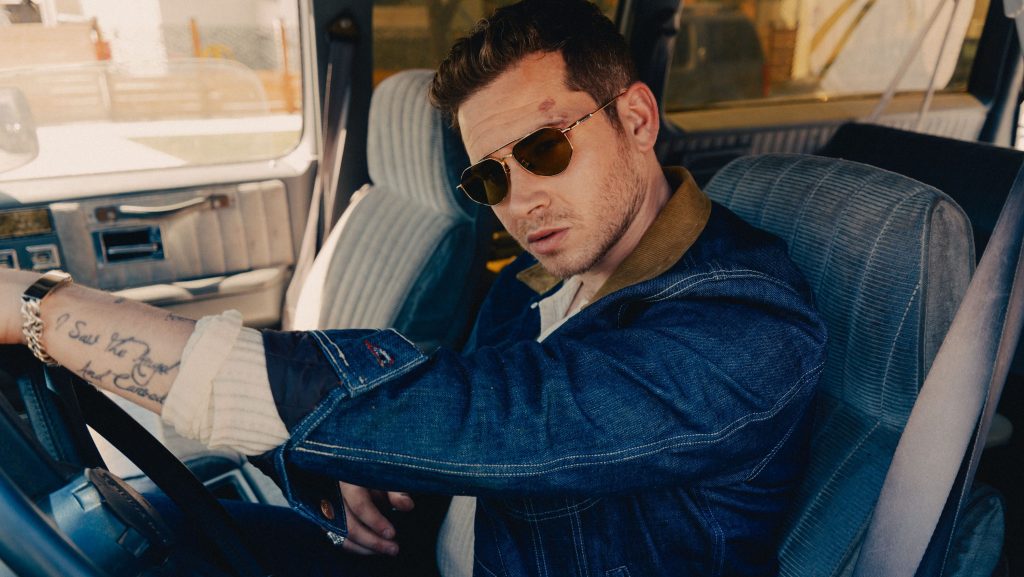
At just 19, Argentinian artist Milo J has already earned multiple Latin GRAMMY nominations, collaborated with Bizarrap and amassed billions of streams. But beyond the numbers, it’s his willingness to move beyond the mainstream of Latin music which sets him apart from the rest – by seamlessly blending Argentina’s rich folkloric traditions with more contemporary sounds, his album La Vida Era Más Corta became a personal project that introduced audiences around the world to a different side of Argentine music.
With a growing global following and a sound that continues to evolve, Milo J is less interested in chasing trends than in building a community around his music. We sat down with the rising star to discuss his creative evolution, the importance of his roots and what it means to make music that resonates far beyond borders.
PHOTOGRAPHY
Lewis Vorn
FASHION
Anastasia Busch
GROOMING
Lucy Thomas
using Augustinus Bader
SET DESIGN
Juliette Nastasia
**THIS INTERVIEW IS ALSO AVAILABLE IN SPANISH, BELOW**
**ESTA ENTREVISTA TAMBIÉN ESTÁ DISPONIBLE EN ESPAÑOL, MÁS ABAJO.**
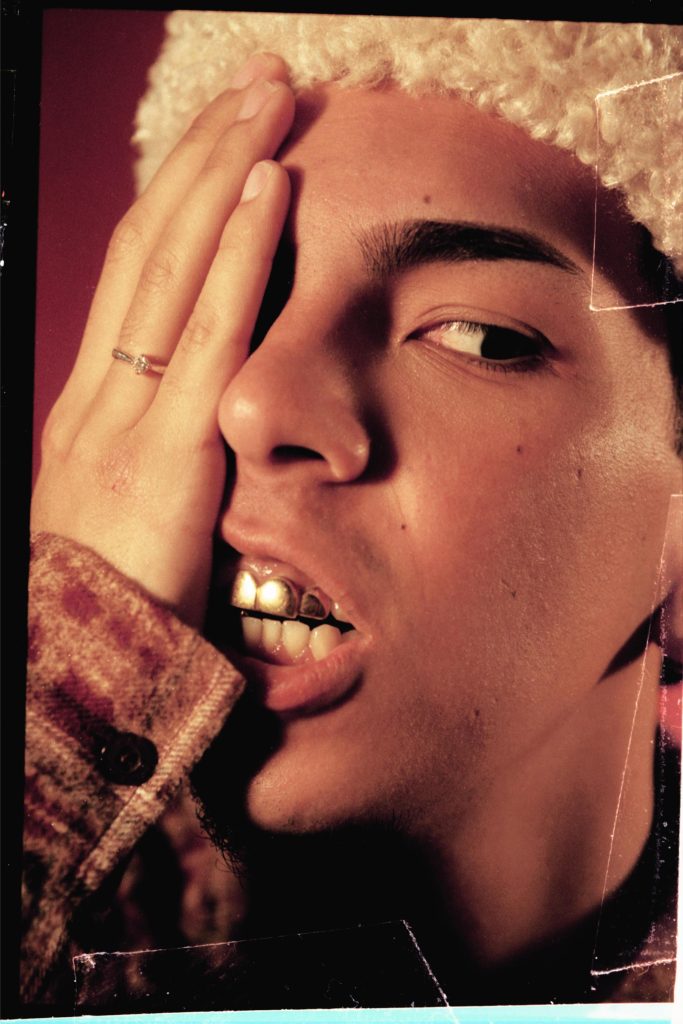
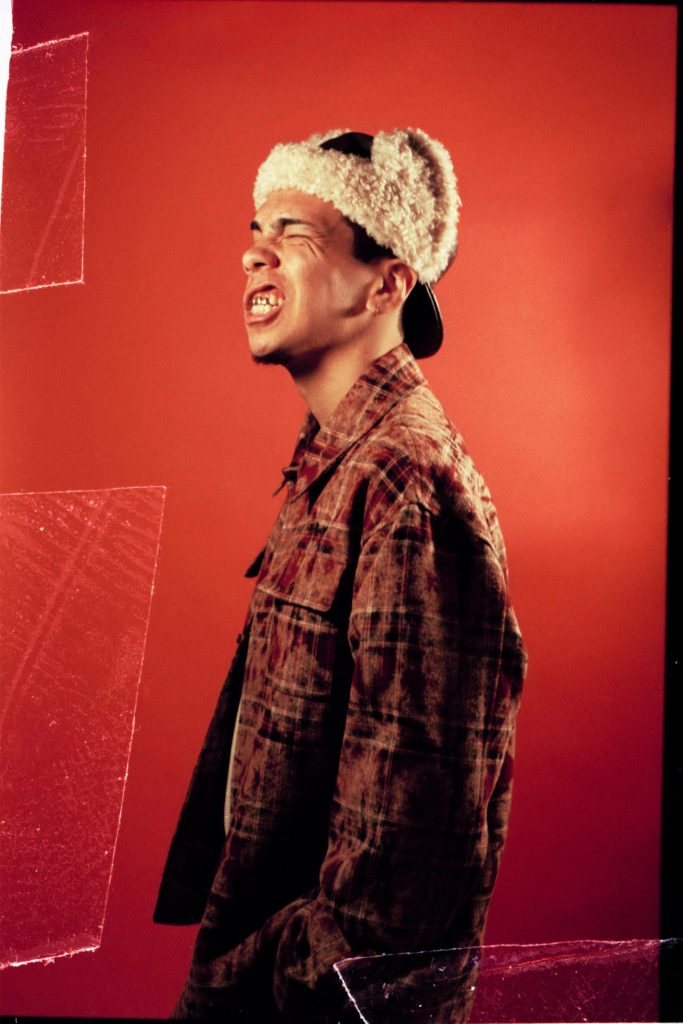
Hat and overshirt Daily Paper / T-shirt Sandro / Trousers Ferrari
At the level you’re now at, you are reaching a huge audience globally too. How do you balance making music that feels authentic to you, while ensuring fans in completely different cultures connect with it?
Well, I think my interests are clear. I’m not interested in being trendy, I am interested in creating a community, and I feel like more and more people are identifying with the message I want to put out. It’s not like I write and think, “I want people to feel a certain way.” I think people want to see what I have to say, and that has been growing over time as well.
Your music has started out as mostly Argentine trap but has now evolved into including elements such as chacarera, zamba and chamamé. Was there a particular moment when you realised you wanted to explore your country’s traditional music more deeply, and what drew you to those sounds?
Towards the end of 2023, I became pretty obsessed with folklore. I started listening more to Ignacio Guaraní, and was shown more folklore music. “El Foco”, a friend of mine showed me Roberto Carvajal. And the idea of creating an album with these sounds and the obsession with deciding to make an album of this kind was kind of brought up by Tatool. At the very beginning of 2024, we started experimenting with more Andean sounds, even Brazilian sounds, and even with Río de la Plata influences. And then, naturally, because of the way we produce music, it ended up combining with my world in a way.
Your session with Bizzarap has accumulated over 200M views – Bizarrap has become such a huge force in Latin music himself. What was it like stepping into the studio with someone who has created such a recognisable world around his sessions?
It was crazy, and it happened pretty spontaneously as well. We had kind of gotten together to make a song which I believe was Toy en el Mic, which is the second song on En Dormir Sin Madrid. Then, he messaged me to go to Madrid and lock ourselves in the studio for a week. We made one song a day, and those four songs, together with the one we had already made in Argentina, ended up being the ones that stayed. It was actually only going to be the Hoy Me Voy al Sol one [MILO J || BZRP Music Sessions #57/66], but we needed to release the other songs because they were really good. Being his first collaborative project as well, for me, is an honour, you know? We’re both from Morón, so we have a lot of things in common and a lot of shared connections. Gonza [Bizarrap] is someone I really appreciate. Looking back on it now, I’m incredibly grateful to him. A lot of people discovered me because of that. It was a beautiful experience for me.
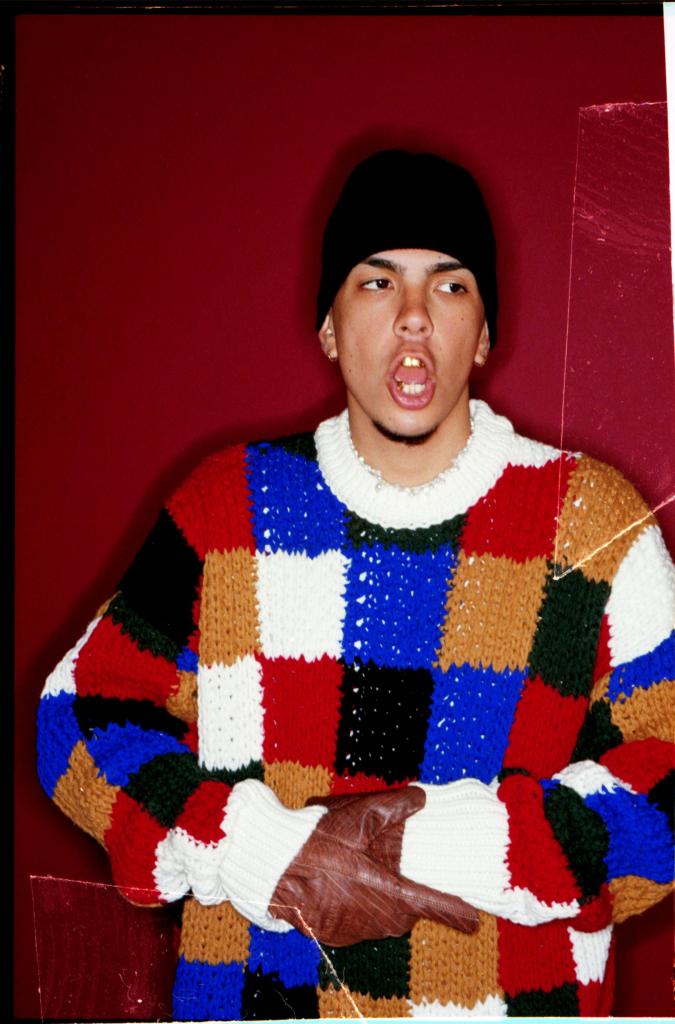
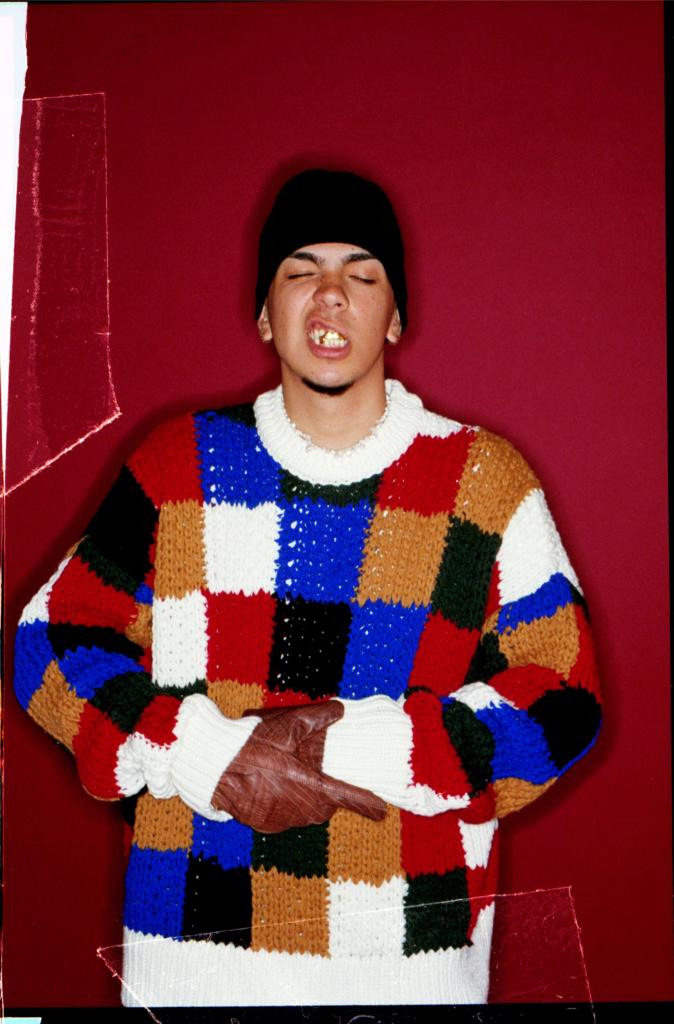
Hat and jumper AMI / Necklace A Sinner In Pearls / Gloves &SONS
You were nominated for a Latin GRAMMY at just 19. What did that recognition mean to you, especially at this stage of your career?
Well, I was also nominated at 16 with Nicki, for Dispara. But this has been my own project, and for it to be La Vida Era Más Corta, I think it’s a dream, you know? It’s a beautiful thing, just being nominated and having the project recognised in that way, regardless of whether I get it or not. The acknowledgement is there through all the nominations they gave me and the team. Tatool is also nominated for Producer of the Year, Lucho is nominated in Record of the Year for recording engineering. In the credits, it’s always me and Santi Alvarado, so that’s a joint effort that makes me really happy, because it was genuinely an album made between friends that ended up receiving seven Latin GRAMMY nominations. It’s crazy. It’s a dream.
You did a Tiny Desk performance earlier this year, which racked up millions of views. What does it mean to you to bring the music and culture of Argentina to a new audience around the world?
It means a lot, because I think a lot of people will be able to say, like, “Ahh… Argentina! Like Milo’s Tiny Desk.” And beyond that, I think they’ll become much more curious and familiar with how rich Argentine music is because of it.And sharing it with absolute beasts like Agarrate Catalina, and with the incredible musicians I brought along. For me, it was a beautiful experience. I think it’s another way of seeing the album; it’s another performance of La Vida Era Más Corta. As for the millions of views, I don’t know if I really look at it that way. I think it turned out beautifully in a single take, with all the arrangements. I really love the Tiny Desk format.
Countries like Puerto Rico, Colombia and Mexico have traditionally dominated the global Latin music conversation. Do you feel like you’re part of a new generation helping to put Argentina on that global map, and what do you think makes the Argentine sound different?
I don’t know if I’m part of an Argentine sound. I think that since the beginning of my career, I’ve been characterised by going in a different direction. Honestly, I don’t know if I’m part of the Argentine Latin music movement. The truth is, I think I’m going in another direction. I’m interested in my fans, the people who listen to me, the people who want to know what I have to say. But, in a way, I guess I am part of it anyway. It’s contradictory, but I think I am. The drama that Argentines bring to their music is what sets it apart. I think Argentines have a certain sadness embedded in their lyrics, their songs, their melodies, and it’s beautiful, you know? It’s something that can’t be replicated anywhere else in the world. There’s a kind of drama that gets passed down from generation to generation, from artist to artist, from influence to influence.

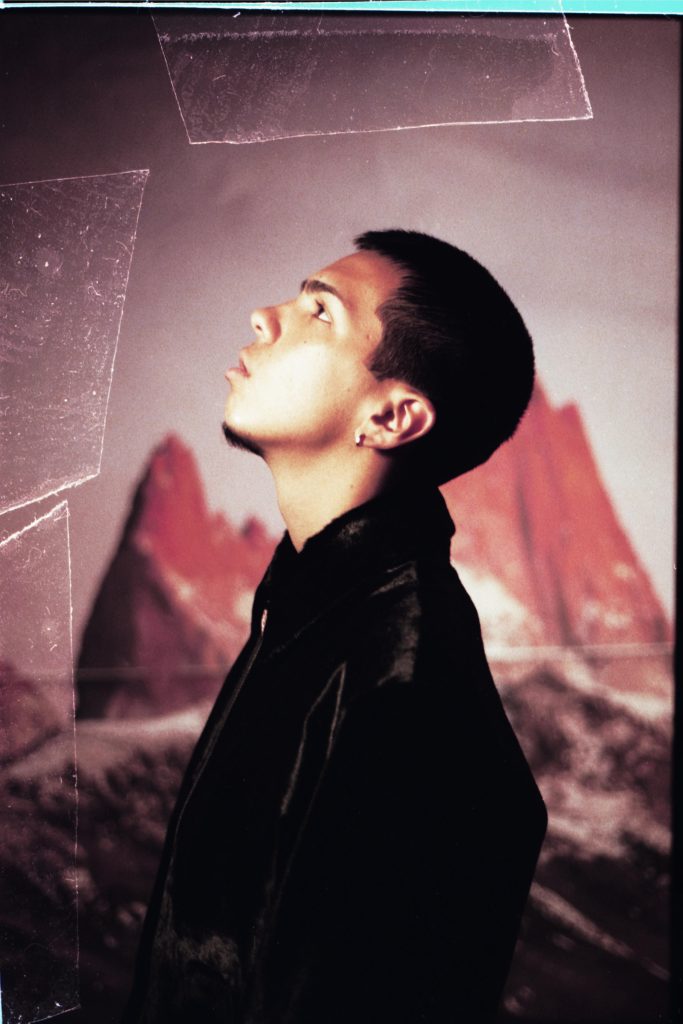
Jacket Casablanca
La Vida Era Mas Corta recently reached 1 billion streams. Have you had time to digest what a great accomplishment that is?
Like I said, I don’t know if the streams themselves feel like a WOW moment to me. I think what the album represents to people is what really catches my attention. The number of generations that came together through that album. I went from having a mainly teenage and urban audience to reaching a much broader audience after La Vida Era Más Corta, from older people to very, very young children. I think there was a shared message that’s universal and for everyone, and that, honestly, is incredible to me. I think that’s what I take away from La Vida Era Más Corta more than the streams. Although reaching a billion is obviously very impressive, and it’s beautiful.
How does your new album compare – or differ – from the last?
The album before La Vida Era Más Corta was 166. The difference is in the way we made it, and mainly in the sound. La Vida Era Más Corta had folkloric influences and I came into it much more musically enriched. 111, on the other hand, was a collection of love songs from a period I was going through at the time, most of which had already been written before I went into the studio to record them. La Vida Era Más Corta was a whole process in which I also witnessed the recording of instruments by studio session musicians, a post-production process, and a composition process. I went to Santiago del Estero almost as if I were looking for some kind of salvation, because I had fallen into a tremendous depression and didn’t even feel like making music anymore. And then I came back with everything and we finished the album. On La Vida Era Más Corta, I had some huge collaborations with friends, and I think 111 shares that aspect as well, but I think the narratives of the two albums are completely different.
***

Hat and overshirt Daily Paper / T-shirt Sandro
Estás a un nivel donde estás llegando a un nivel mundial. ¿Cómo equilibras hacer música que se sienta auténtica para ti, mientras te aseguras de que fans de culturas completamente distintas conecten con ella?
Bueno, yo creo que mis intereses están claros. Quizás no me interesa tanto estar de moda, sino generar comunidad, y siento que cada vez más gente se va sintiendo identificada con el mensaje que yo quiero dar. No es como que yo escribo y pienso: “Quiero que la gente se sienta de alguna forma” . Creo que la gente busca ver qué tengo para decir, y eso, con el paso del tiempo, se va agrandando también.
Tu música comenzó siendo principalmente trap argentino, pero ha evolucionado hasta incluir elementos como la chacarera, la zamba y el chamamé. ¿En qué momento decidiste explorar la música tradicional argentina, y qué fue lo que te atrajo de esos sonidos?
A ver, yo, a finales de 2023, me obsesioné bastante con el folklore, con Ignacio Guaraní y también “El Foco”, un amigo mío, me mostró Roberto Carvajal. Y de obsesionarme con decir, bueno, voy a hacer un disco de esta índole, la idea medio que la trae el Tatool. A muy principios del 2024, nos metimos a experimentar con sonidos más andinos, quizás hasta brasileños, quizás hasta más rioplatenses. Y después, bueno, naturalmente, por cómo producimos la música, se terminó combinando un poco con mi mundo de alguna manera.
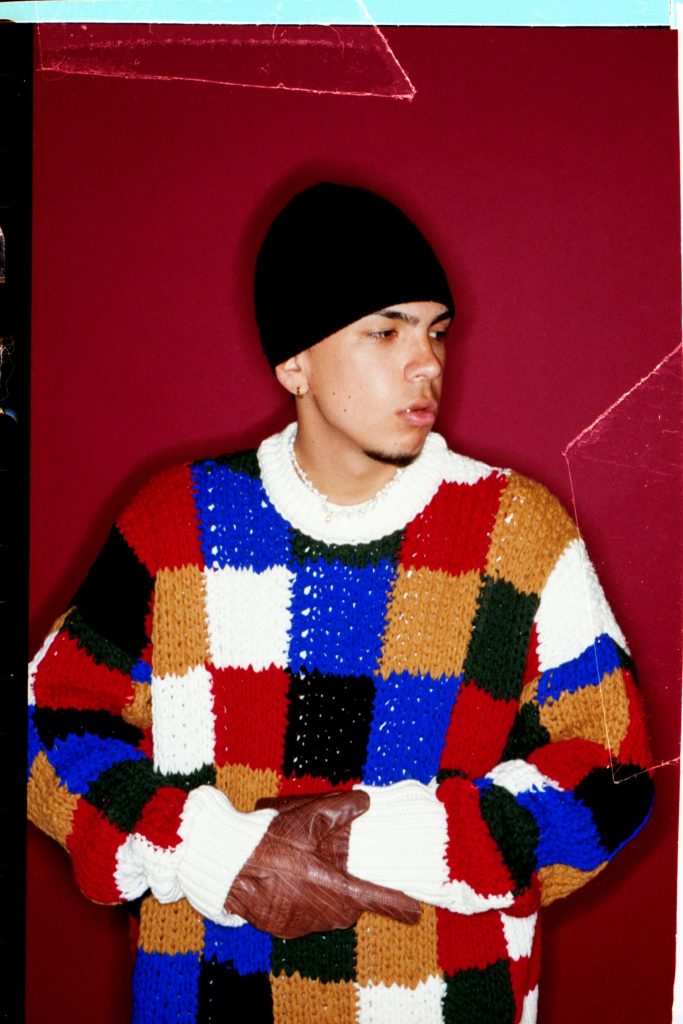
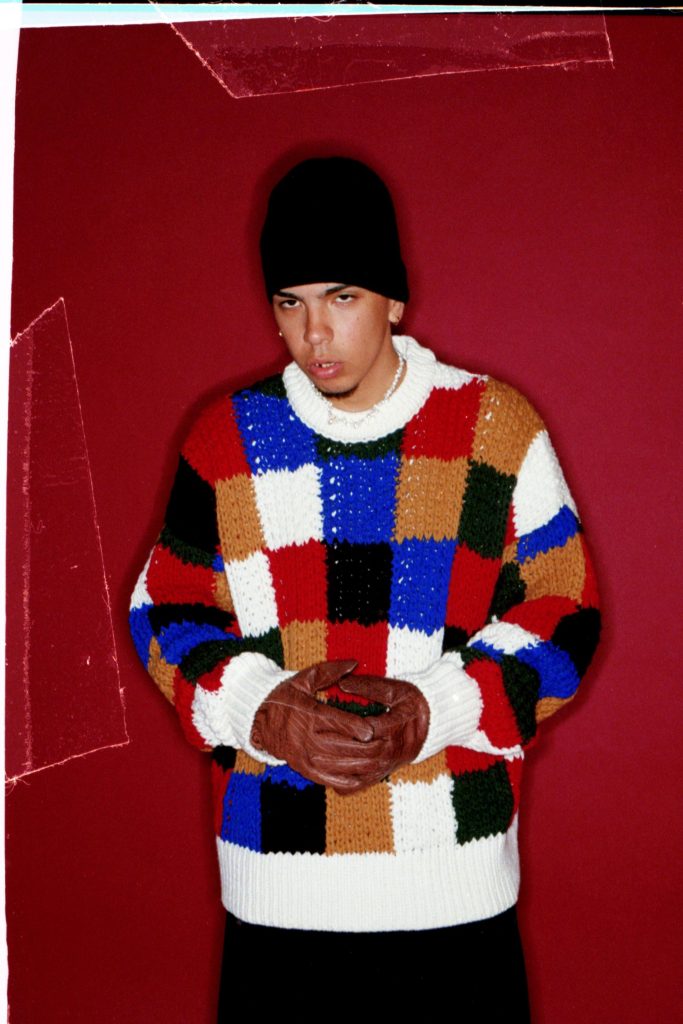
Hat, jumper, bottoms AMI / Necklace A Sinner In Pearls / Gloves &SONS
Tu sesión con Bizarrap acumuló más de 200 millones de vistas — Bizarrap se ha convertido él mismo en una fuerza enorme dentro de la música latina. ¿Cómo fue entrar al estudio con alguien que ha creado un universo tan reconocible alrededor de sus sesiones?
Fue loco, y como me llamo también. Medio que nos habíamos juntado para hacer una canción que creo que terminó siendo Toy en el Mic, que es la segunda canción de en dormir sin Madrid. Y después me manda mensaje para ir a Madrid y encerrarnos en el estudio una semana, e hicimos una canción por día y fueron esas 4 canciones en conjunto con esta que habíamos hecho en Argentina que terminaron quedando. Iba a ser, en realidad, solo la de Hoy me voy al sol [MILO J || BZRP Music Sessions #57/66], pero necesitábamos sacar las otras canciones porque estaban buenas. Ser también yo el primer proyecto en conjunto de él, para mí es un orgullo, ¿viste? Somos losdos de Morón, tenemos muchas cosas en común cercanas. El Gonza es una persona que aprecio un montón. Ahora, aunque lo veo en retrospectiva, le agradezco muchísimo, muchísima gente me conoció gracias a eso. Nada, fue una hermosa experiencia para mí.
Fuiste nominado a un Latin GRAMMY con apenas 19 años. ¿Qué significó ese reconocimiento para ti, especialmente en esta etapa de tu carrera?
Bueno, a los 16 también había sido nominado con Nicki, con Dispara. Pero ha sido un proyecto mío, y que sea este La Vida Era Más Corta, creo que es soñado, ¿no? Es una cosa hermosa. Ya estar nominado, después si me lo dan o no, pero que lo tengan en cuenta así y todas las nominaciones que me dieron, a mí y al equipo. Porque también está Tatool como productor del año, en grabación del año está Lucho, en ingeniería de grabación. En los créditos siempre aparezco yo con Santi Alvarado, eso es un laburo en conjunto que me pone muy contento porque realmente fue un disco entre amigos que terminó teniendo 7 nominaciones al Latin Grammy, es una locura. Es soñado.
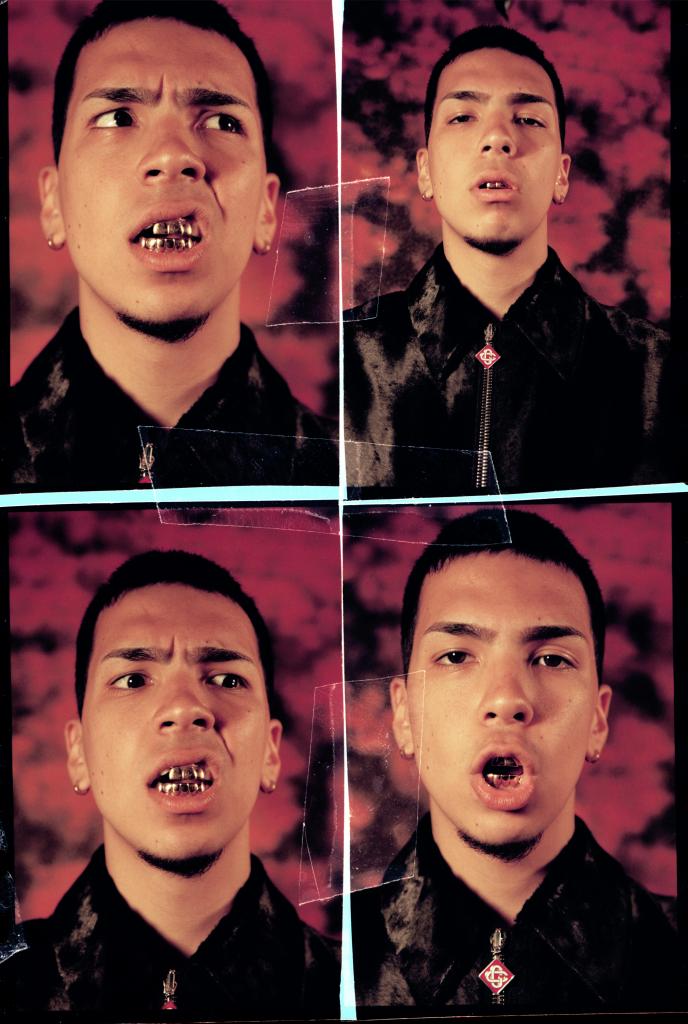
Jacket Casablanca
Este año hiciste una presentación en Tiny Desk, que acumuló millones de vistas. ¿Qué significa para ti llevar la música y la cultura de Argentina a una nueva audiencia alrededor del mundo?
Significa muchísimo, porque creo que mucha gente va a poder decir tipo: “Ahh… Argentina! Como el Tiny Desk de Milo”. Aparte de que se vayan interiorizando mucho más en lo rica que es la música argentina después de eso. Aparte, compartirlo con unos animales como lo son los Agarrate Catalina, con unos musicazos que son los que llevé. Para mí fue una hermosa experiencia. Creo que es otra manera de ver el disco, es otra performance de la misma de La Vida Era Más Corta. Ya las millones de reproducciones, no sé si lo veo tanto por ahí. Creo que quedó lindo en una sola toma con todos los arreglos. El Tiny Desk me encanta.
Países como Puerto Rico, Colombia y México tradicionalmente han dominado la conversación global sobre música latina. ¿Sientes que formas parte de una nueva generación que está ayudando a poner a Argentina en ese mapa global, y qué crees que hace diferente al sonido argentino?
No sé si formo parte de un sonido argentino. Creo que desde que arrancó mi carrera me caractericé por ir por otro lado, la verdad. No sé si soy parte del movimiento argentino de la música latina. La verdad, creo que voy por otro lado. A mí me interesan mis fanáticos, lagente que me escuche, la gente que quiera saber lo que tengo para decir, pero, de alguna manera, de todas formas, sí. Es como contradictorio, pero creo que sí formo parte. El dramatismo que le mete el argentino es lo que lo diferencia. Yo creo que el argentino tiene una pena metida en sus letras, en sus canciones, en sus melodías, que es hermosa, ¿viste? Que no se puede replicar en ningún otro lugar del mundo. Hay un drama que se pasa de generación en generación, de artista en artista, de influencia en influencia.
“La Vida Era Más Corta” alcanzó recientemente los 1.000 millones de streams. ¿Has tenido tiempo de asimilar lo que significa un logro tan grande?
Como te digo, no sé si me parece WOW el tema de los streams, yo creo que lo quizás lo que representó en la gente es lo que más me llama la atención. La cantidad de generaciones que se unieron en ese disco. Pasé de un público meramente adolescente y urbano a una amplitud mucho más grande después de La Vida Era Más Corta, tanto de gente grande como de niños, niños muy chiquitos. Creo que hubo un mensaje en conjunto que es universal y para todo público que, nada, me parece increíble. Creo que yo me quedo con eso de La Vida Era Más Corta más que con los streams, que igual es muy impresionante haber llegado al billón, que es hermoso.
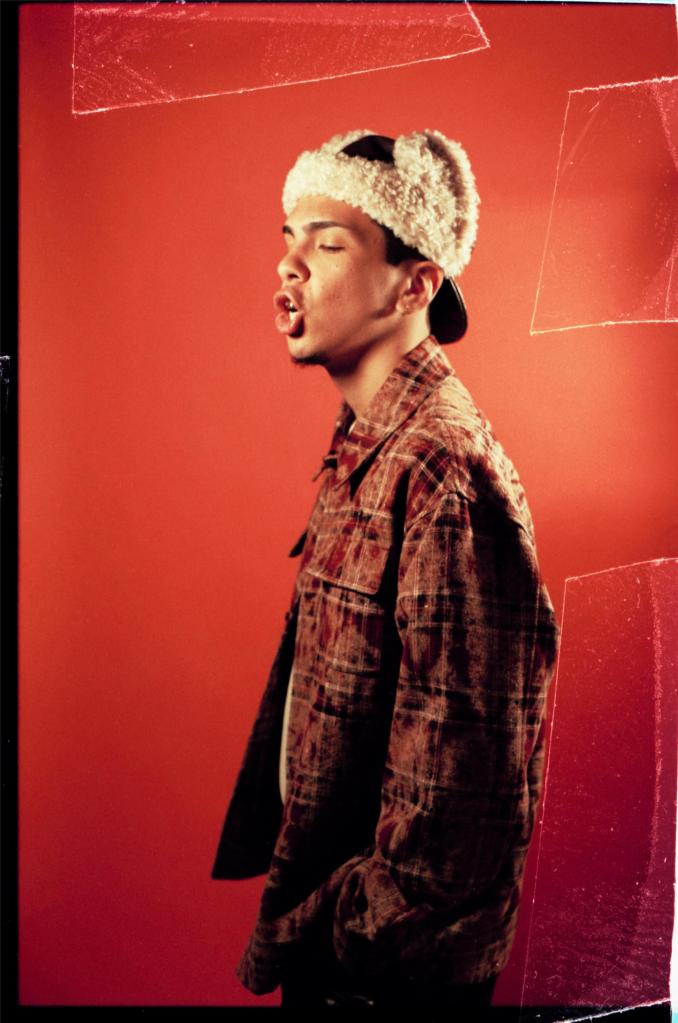
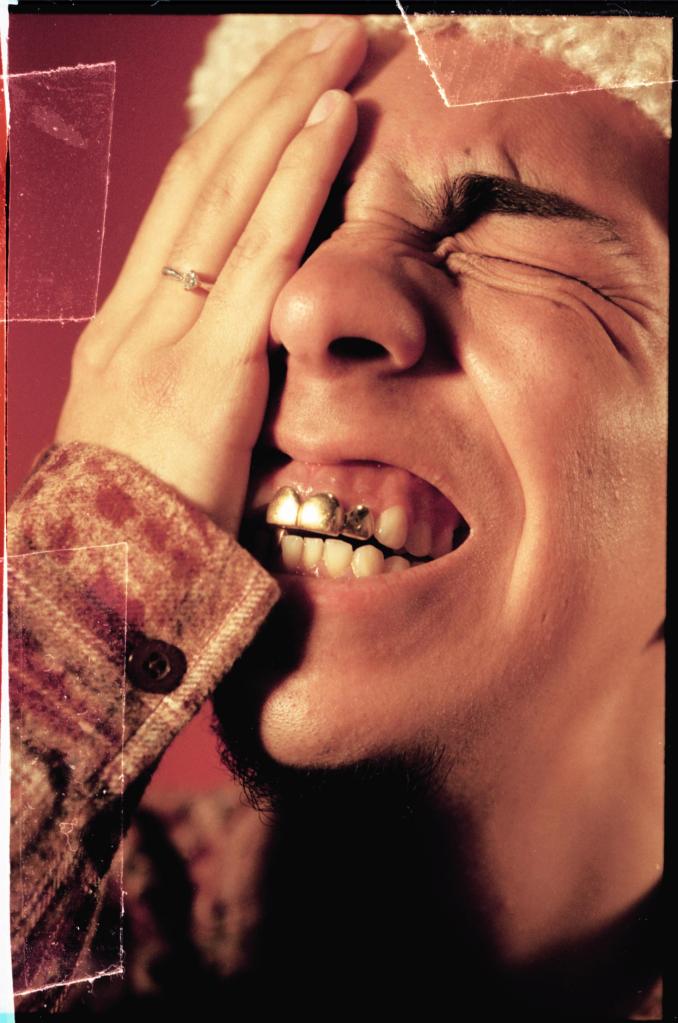
Hat and overshirt Daily Paper / T-shirt Sandro
¿Cómo se compara —o en qué se diferencia— tu nuevo álbum del anterior?
El álbum anterior a La Vida Era Más Corta es 166. Lo que se diferencian es en la forma de hacerlo, en el sonido principalmente, que este tuvo influencias folclóricas y vine mucho más enriquecido musicalmente, y en 111 también era un conjunto de canciones de amor por una época que estaba pasando en aquel momento, que la mayoría ya estaban previamente escritas antes de meterme en el estudio a grabarlo. La Vida Era Más Corta fue todo un proceso en el cual también presencié grabación de instrumento de sesionistas de estudio, un proceso de postproducción, un proceso de composición. Me fui a Santiago del Estero casi que como para buscar una salvación porque caí en una depresión tremenda, no tenía ni ganas de seguir haciendo música. Y después volví con todo y terminamos el disco, y tuve en La Vida Era Más Corta tuve featurings hiper sonados con amigos y todo, y yo creo que 111 también le comparte eso, pero creo que la narrativa de los dos es completamente diferente.