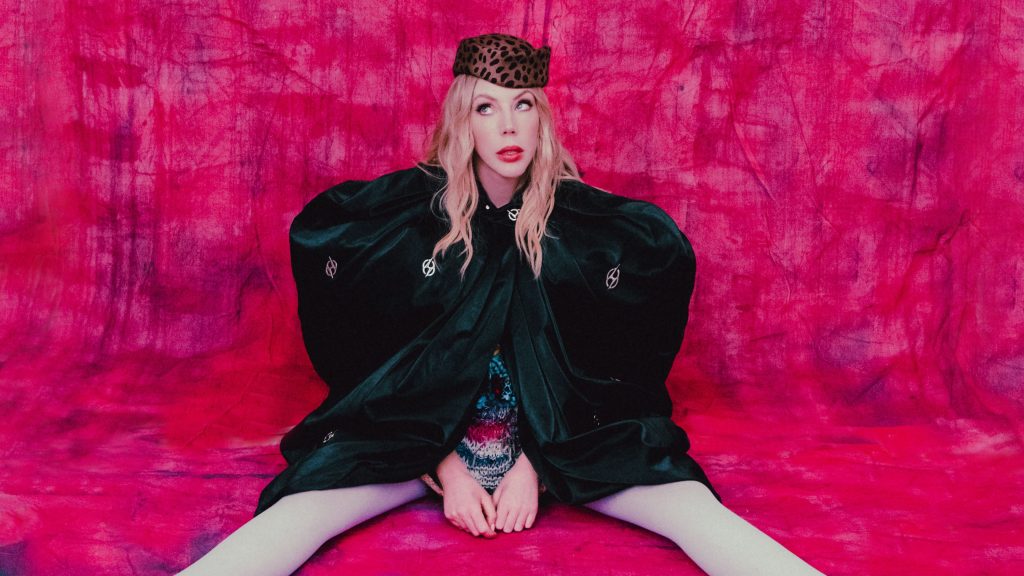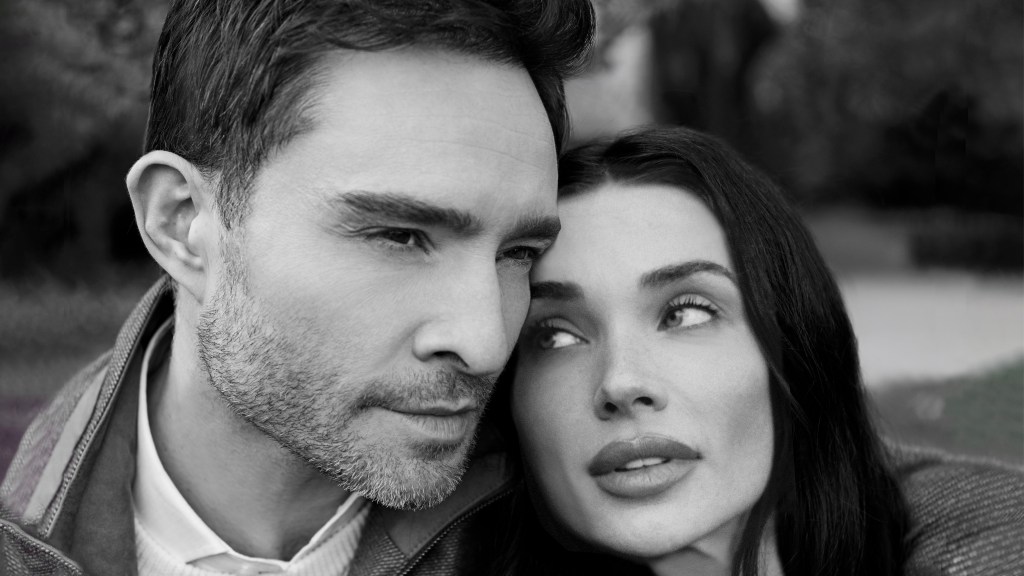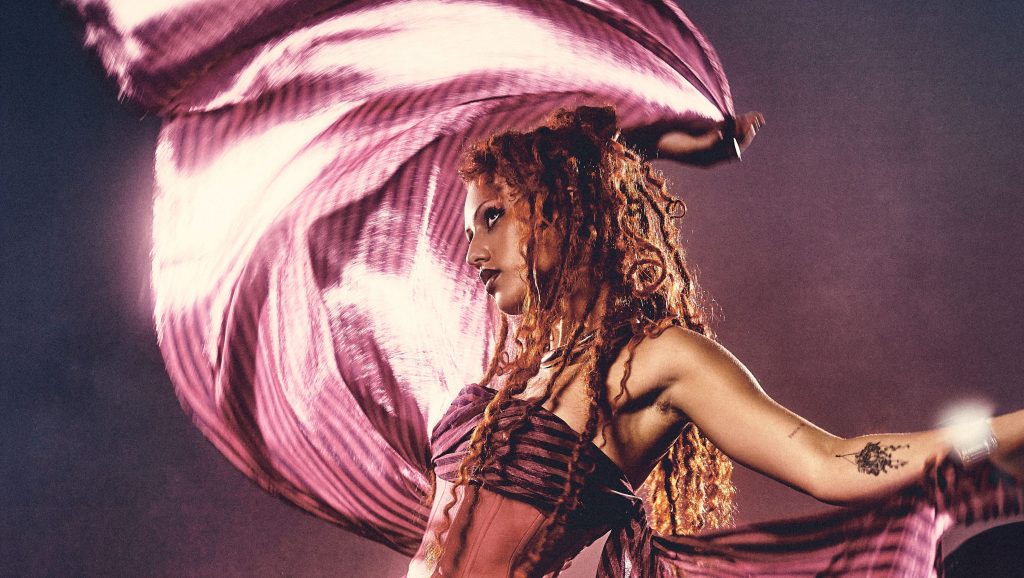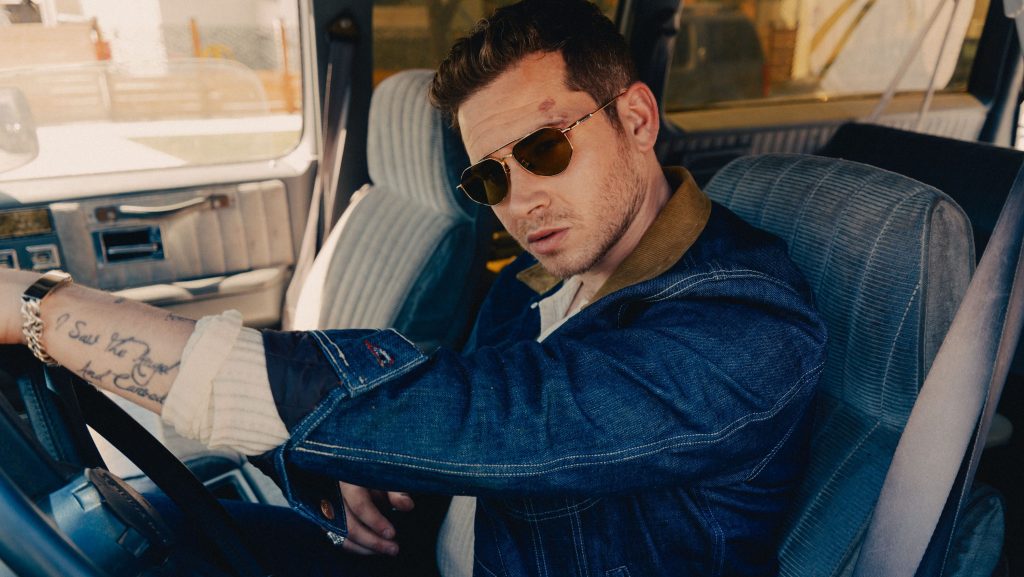
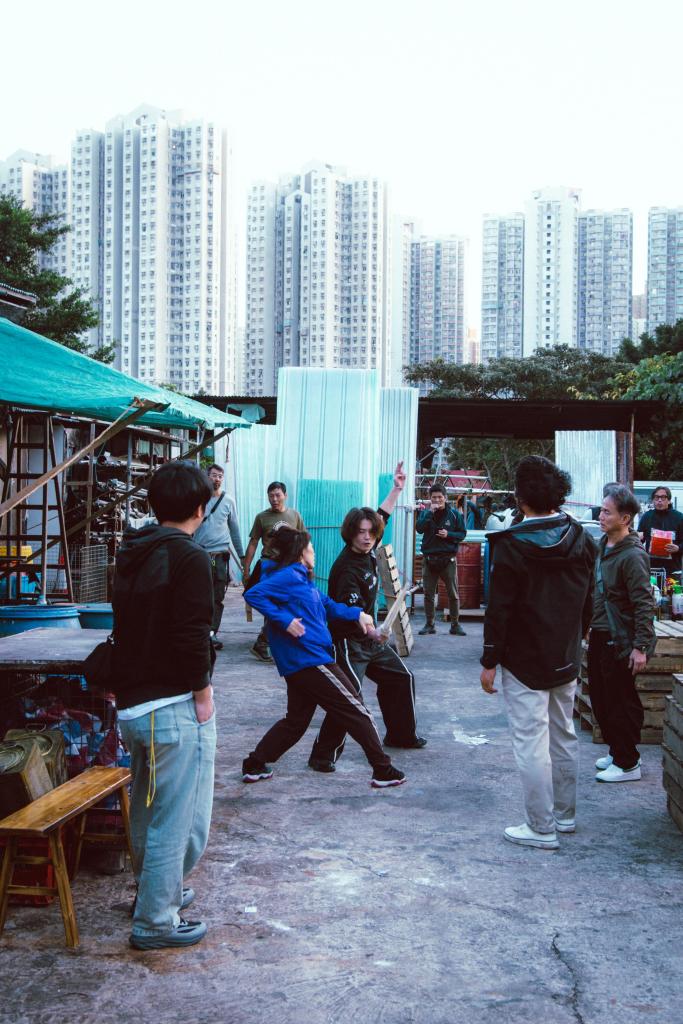
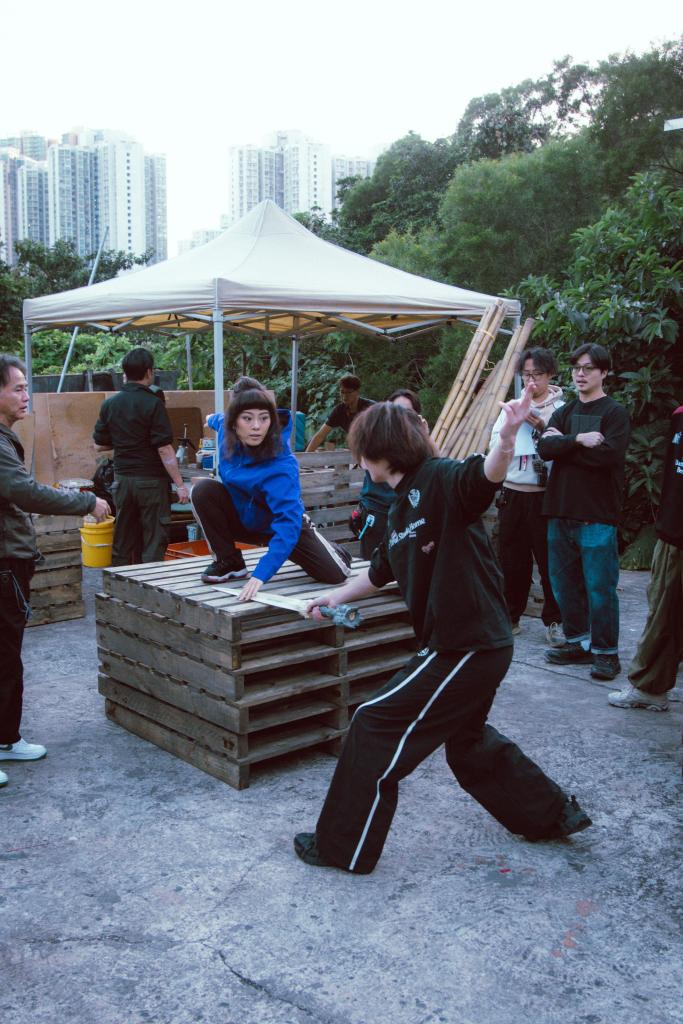
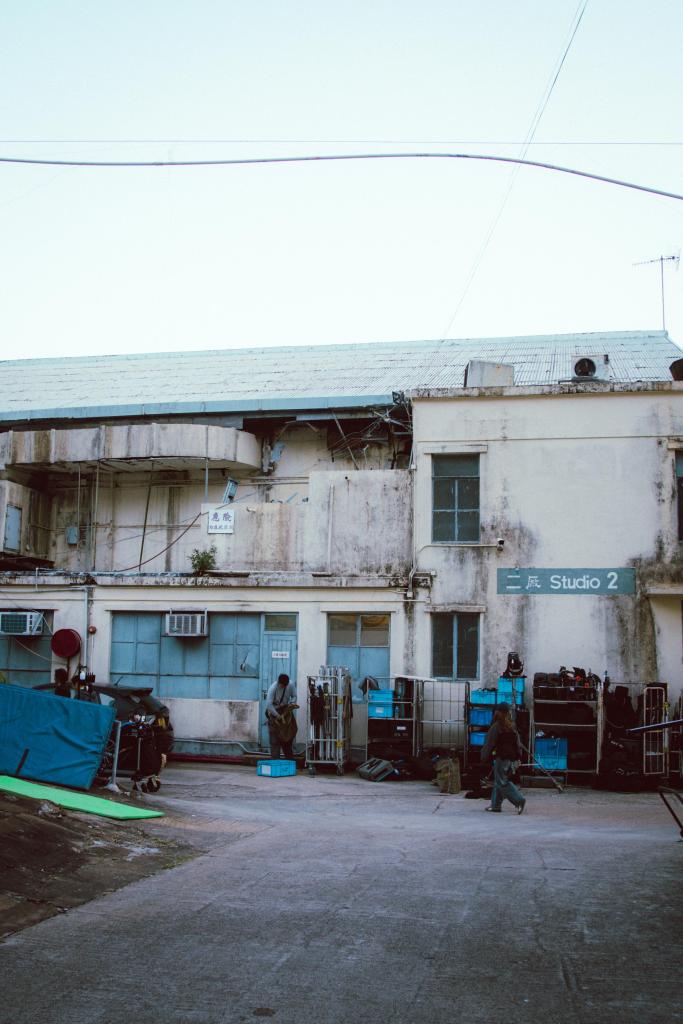
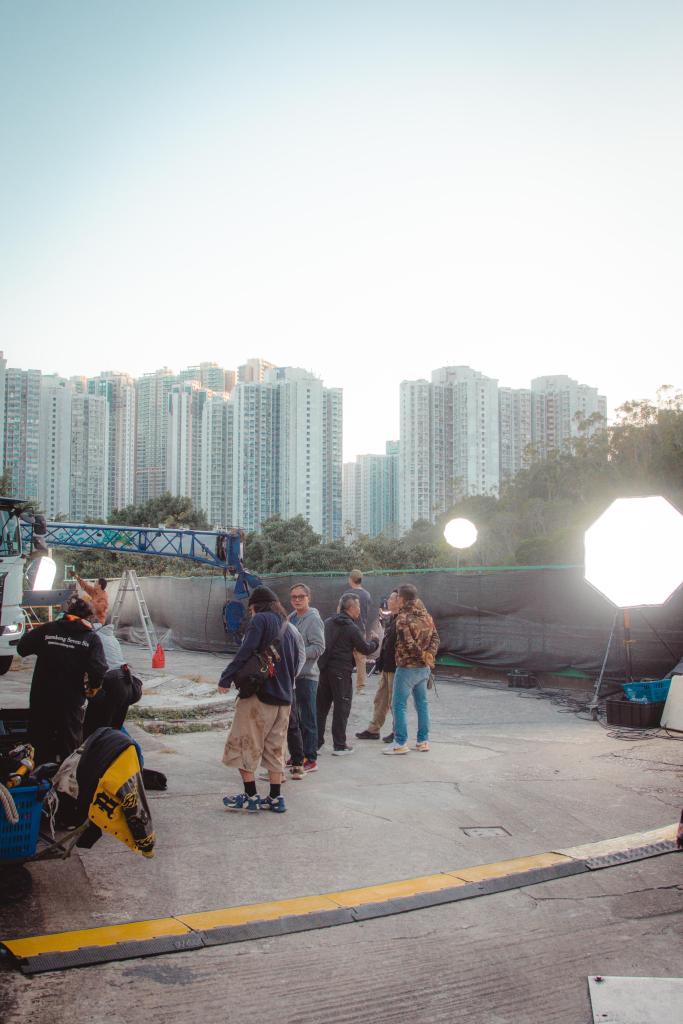
Last November, almost exactly a year ago, we travelled all the way to Hong Kong to get an exclusive look behind the scenes of The Mage 2. From the set and the incredible stunt choreography to the creative minds bringing the story to life, it was a rare and truly once-in-a-lifetime opportunity to experience the energy of a Hong Kong film production up close.
The Mage 2 is the follow-up to the recently released The Mage 1, although it explores a different storyline. Just like its predecessor, it is a Hong Kong horror-crime thriller directed by the legendary Pang brothers, Oxide and Danny Pang. This time, the film takes things even further, blending supernatural fantasy, action, martial arts, cultural traditions and romance. The sequel also brings together stunt choreographers Chan Siu Wah (Choi Gor) and Wong Kim Wai (Wai Gor), both disciples of renowned martial arts choreographer Yuen Woo-ping.
PHOTOGRAPHY
Jack Alexander
MAKE-UP
N Guslee
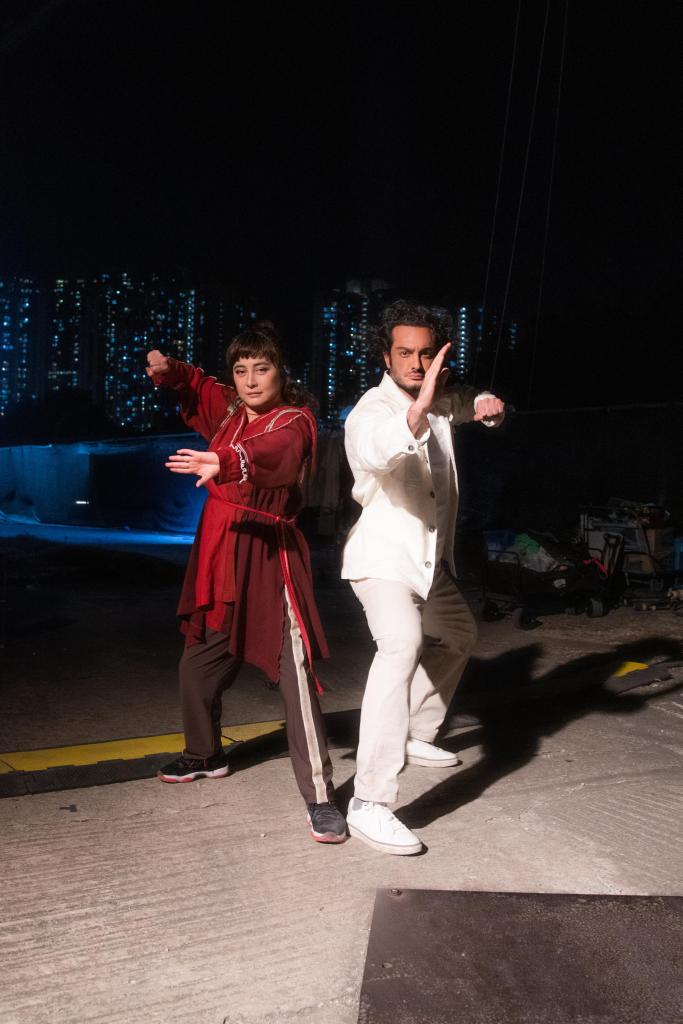
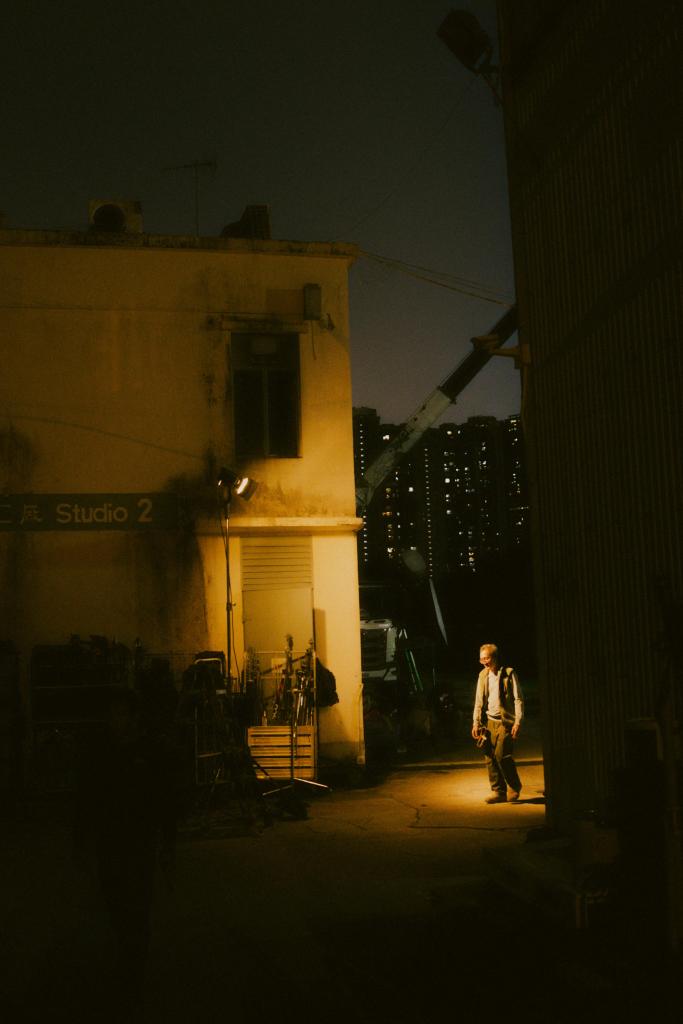
While on set, we sat down with three of the people at the heart of the project: Josie Ho, the acclaimed Hong Kong actress, singer and producer, who stars as the leading lady in both The Mage 1 and The Mage 2 and whose career spans independent cinema and some of the city’s most distinctive film productions; Conroy Chan, Hong Kong actor, filmmaker and producer, best known as a founding member of pioneering hip-hop group 24 Herbs; and, of course, Iman Taheri, an Iranian-born former surgeon turned actor and poet, who takes on his first leading role in a feature film as John in The Mage 2.
If you are a fan of film, you will know that Hong Kong has a rich cinematic history, from the rise of kung fu legends such as Bruce Lee to its golden era of action, martial arts and supernatural cinema. Against this backdrop, we spoke about the legacy of Hong Kong cinema, bringing The Mage 2 to life and what it takes to keep its cinematic magic alive today.
JOSIE
You and Iman are like Bonnie and Clyde in The Mage 2. Tell me more about how the story unfolds…
We wanted to be Mr. and Mrs. Smith. There is a lot of action, a lot of magic, and a lot of cultural Chinese rituals. But above all, it’s a love story. And it’s so human. Besides all the fictional world around it, this is like everyday life. It’s got a bit of When Harry Met Sally. A bit of John Wick, a bit of Mr. Vampire, Hong Kong ’80s classic kung fu, chasing demons.
But besides all the magic and fighting, the story plays around with the cultural differences. The story is about two people, one man, one woman, who’ve been struggling with their traumas, like childhood trauma, or some kind of emotional block. They meet through this midway, and they somehow help each other to overcome these blocks and not to be complete, but you understand that they are enough, and then this love story happens.
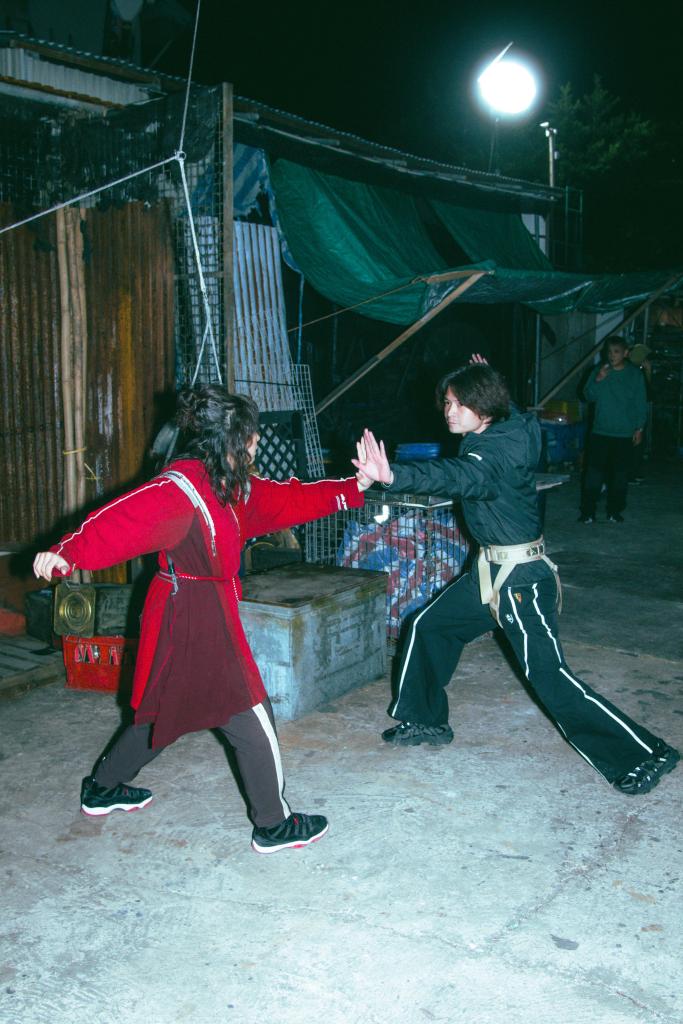
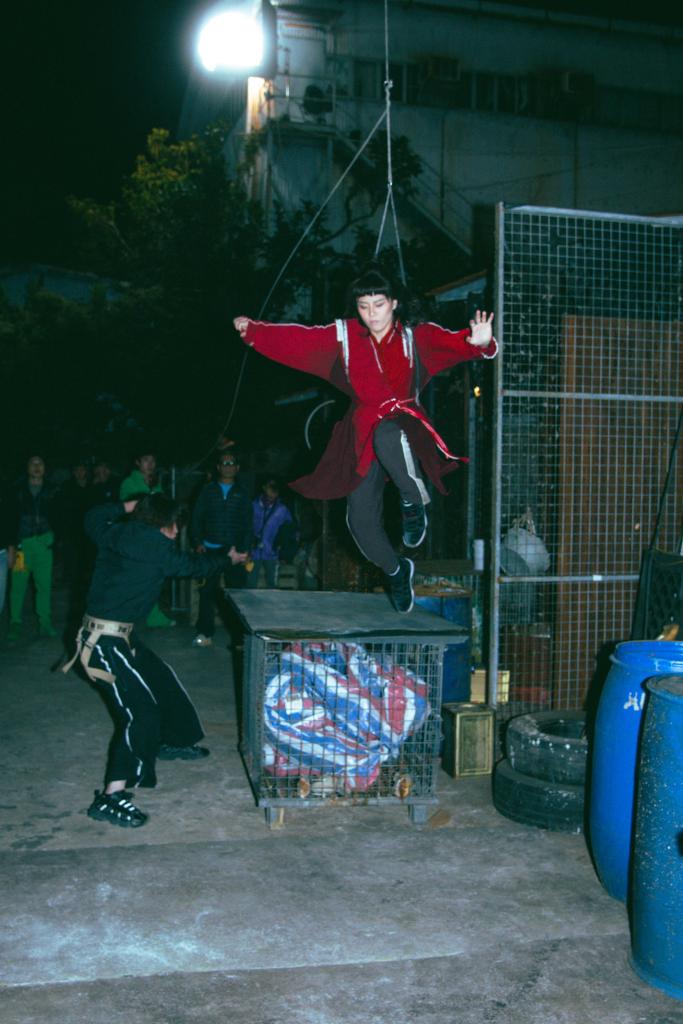
You have a scene where you have an argument because you’re a nun and you can’t be touched. Can you tell me about that?
Yeah, I got wounded and he (Iman) tried to pull out the pieces. There was an explosion, and he tried to pull out the pieces on my chest and my back, and I got totally angry, and very pissed off at him. It’s funny, establishing that conflict. We have pretty good rapport. He’s our roommate now with me and Conroy. So we’re always running the lines and trying to find out in which way we can make it funnier.
You guys have such a creative bond and everything. I love it. I think that’s special.
Conroy’s job is not as fun, as he is the producer. He only gets headaches. We will bring the problems to him.
Haha, poor Conroy. Obviously you’re a legend in the game and Hong Kong’s film industry has got a rich history. Personally, what makes the Hong Kong industry so special for you?
Fresh blood. For all these years, Hong Kong cinema has been making a lot of magic. And sometimes a lot cheaper than people making it in foreign countries. I think Hong Kong’s film set has a lot of improvisation. You need to know improvisation. You’ve got to know your method acting or whatever skills, but improvisation is the key.
So you do a lot of improvising on set? I think it’s always so interesting how actors improvise in the moment. You’ve mentioned your ‘sifu’, Anthony Wong. Can you tell me about how he helped you with acting?
He’s a friend of mine. I had some good instincts, so I knew that I would have the potential to be a good actor. But he felt that I was not able to release all that energy. So he went and took me to my friend Jim Chim’s. He runs an acting school, like a boutique acting school. At that time, he invited Philip Gaulier, a crazy clown master acting teacher, to Hong Kong. So Anthony took me there. Anthony has been to Philip’s class for like five years, all the way in London. He wanted me to open my eyes. He wanted me to experience what Philipp tells me, which really helped me to let go of a lot of stupid things that I was thinking about. Sometimes when I’m filming or if I have trouble in my next scenes acting, I call Anthony and see if he’s free and quickly tell him the scenario. I am like “Dude, what should I do here? I don’t know what to do.” Like, one time I was working on a love story with another friend. We have a love scene going on. And for me, he’s just not my cup of tea at all. Entirely opposite. I know him so well. I know what he drinks all day. Might not be the best for me. I called Anthony and said, “How can I make myself look like I love him so much?”
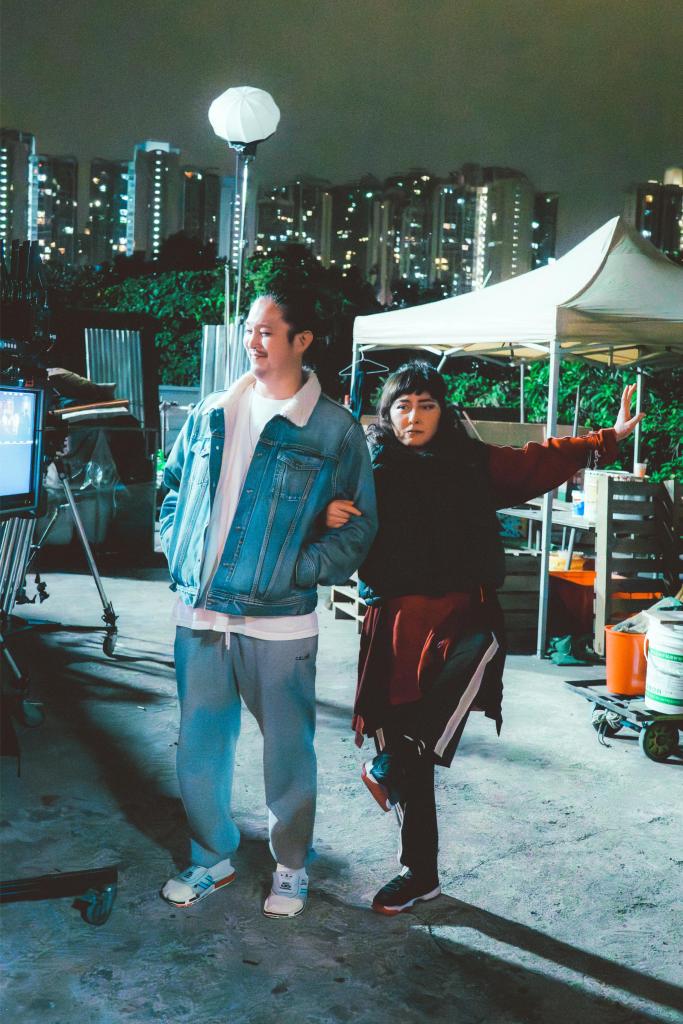
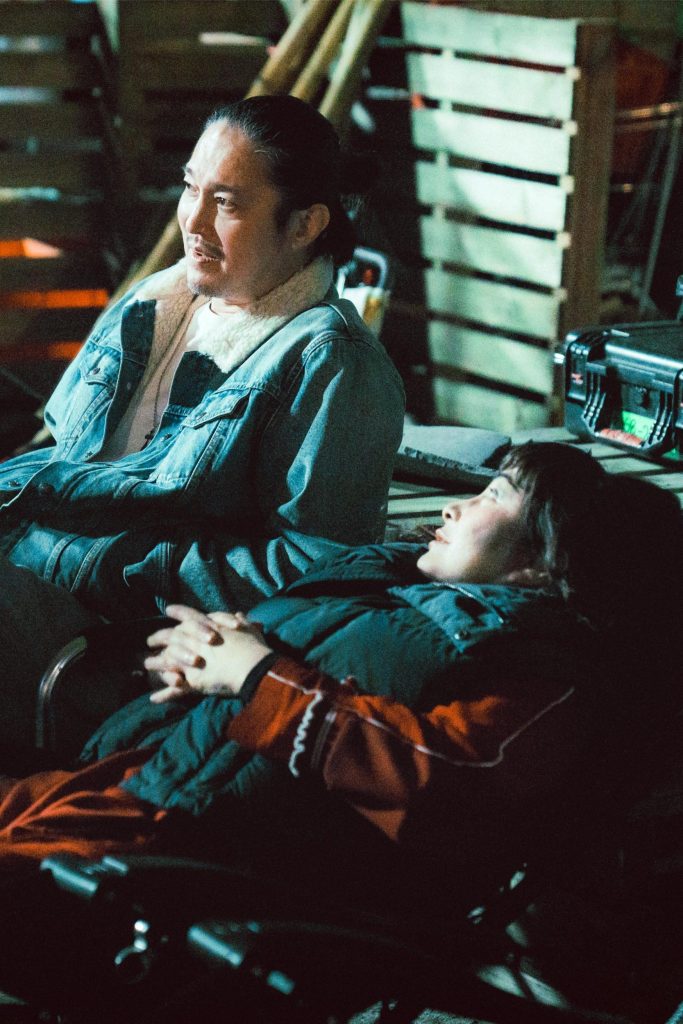
He’s like, “You find a spot on his face, if the shot’s about you looking at him, find a spot on his face and think about your idols.” So my idol is Johnny Depp. So I thought about him. You have to be creative sometimes. Sorry, Johnny. We use a lot of people in emotional replacement. And always bring my father and mother up and some of my old relatives.
I read that when actors are meant to cry, they have to think about something sad or angry, right? Like an emotional memory.
It depends on the scenario. We do all those things, all those memories to get into that moment. It’s another set of skills to do it on set because there are so many people, and concentration is key. I know some other actors, they walk around the set and just smoke. They walk into the dark place where nobody sees them and focus and concentrate on what they are going to do next. Everyone has got their own backup tricks. I got my own backup tricks.
How did you prepare for this role? Because obviously it’s supernatural, it’s got spirits, it’s a love story as well.
I think I treat it more like a love story. We have a coach in LA. Her name is Jeanne. Jeanne Hartman. We go to her because she can help us to practically understand all the subtexts in the film and tell us. Sometimes actors pick up a script, and sometimes some actors feel, “Oh, why do they write this line? This line is just not a very useful line”. We make sure we come to the set not searching for the character, because that would be too late. Because everyone set up everything for us. The whole movie, it’s about teamwork. So everyone’s setting up everything for us towards the mood we need to do. Actors are the last piece of this project, whether we make it pretty or we make it so-so or we make it great.
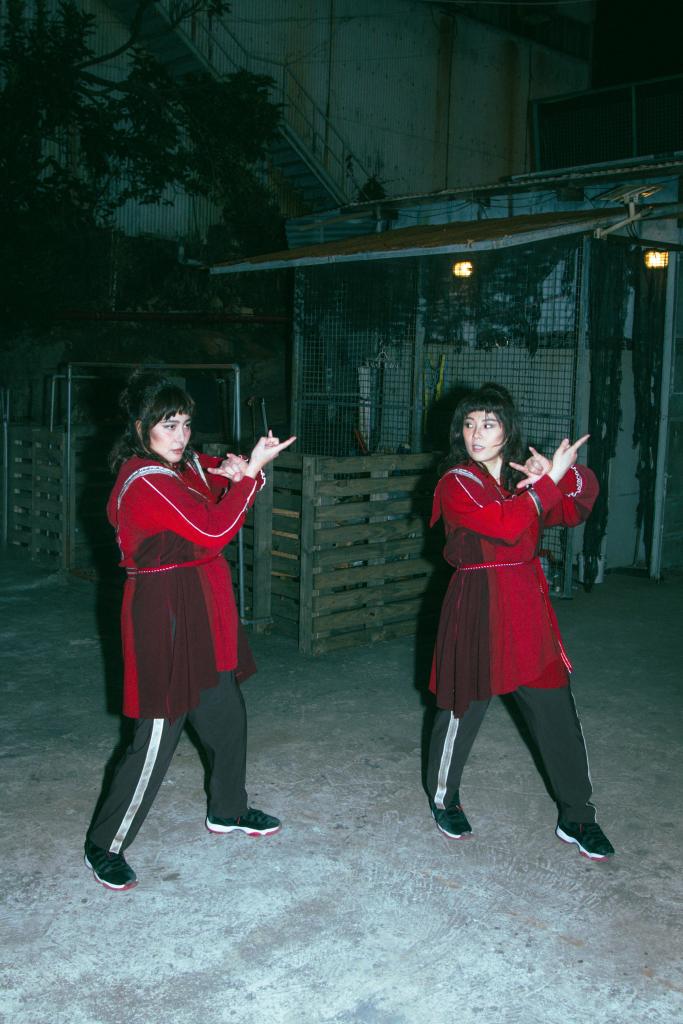
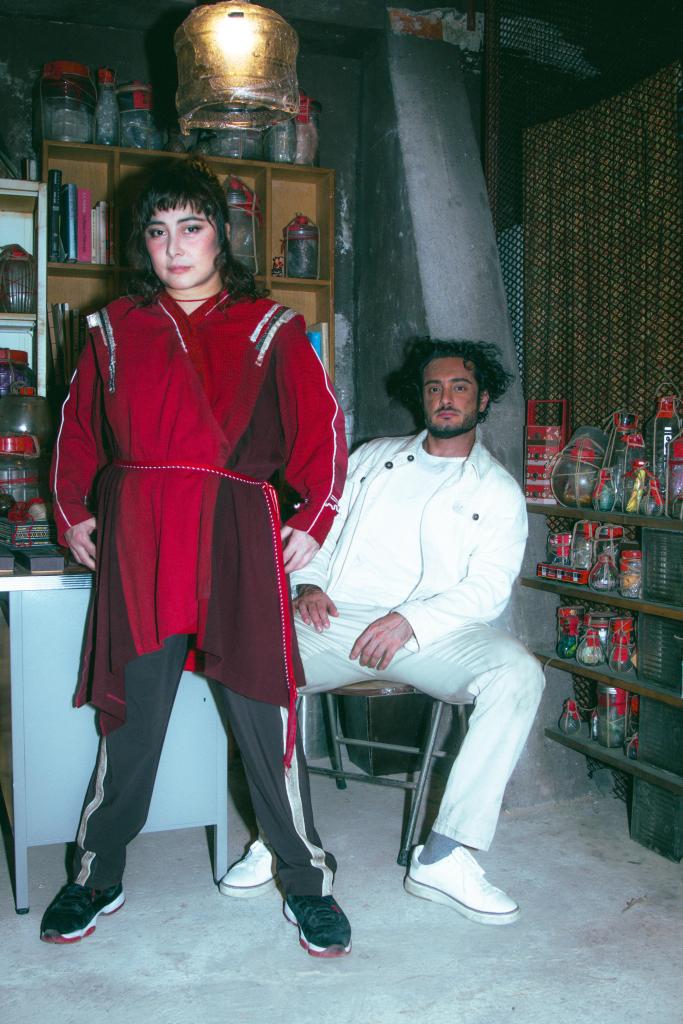
Being into music as well, what would be your ideal soundtrack for The Mage 2? What are your top choices?
Top choices? Hmmm we have a really moving scene, so I suggested to the director something really religious. Because some singers before have purposefully made some sutras from the Buddhist Bible. Faye Wong did a really great song, and Anita Mui from Hong Kong did another one, and we are thinking of maybe asking for the rights.
It’s gonna be so interesting to see how The Mage 2 turns out.
Yes. This film is like a big homage to the ’80s Hong Kong movies, where there’s a mixed drama. Nowadays people only make horror. We’re doing horror, we’re doing action, we’re doing action and love story, like light-hearted romantic comedy. And all the magic and fantasy. I wish they bring everything back from the ’80s. In Hong Kong, in one day, there could be 400 different films shooting in one day. I hope that nowadays more people would make films in Hong Kong.
CONROY
Let’s start right at the beginning with 24 Herbs, which has obviously become legendary in Hong Kong’s hip-hop culture. Looking back, what was the original vision for the group? Would you ever have thought it would evolve the way it has and change the city’s music scene?
There’s a little story to it. Back in the day, before 24 Herbs, I actually had another band called Alive. It was a pseudo boy band. We were doing Alive for two years, and that spun out into a mockumentary exposing boy bands.
It’s quite crazy now because of the whole K-pop and boy band culture. Even in Hong Kong, there are boy bands springing up. Our expose back in the day was about how it was fake, how it was a manufactured industry to make music. Kudos to them, though. They’re very talented people. In our one, we couldn’t even sing. I was lip-syncing.
I had two boys on the crew of Alive who were filming. One was doing sound, and one was filming and directing. These two boys were in one of the original, most legendary hip-hop groups in Hong Kong. Not one of the first, but one legendary hip-hop group in Hong Kong called LMS, Lazy Mutha Fucka, which I’m sure Josie’s mentioned.
After I finished the boy band, I realised it was such a great experience having a really tight-knit team. After two years with these boys, I was a bit depressed because I was going to miss them. Another reason was probably to serve my ego: I didn’t want to be known as the fake boy band guy. I didn’t want to associate with that name at the time, so I wanted to find another project.
Acting was my primary career at that point. I spoke to a few friends, including someone involved in skateboard culture, my two boys from the fake boy band, and an up-and-coming young person. I was also promoting X Games sports at the time. I talked to a group of people, and how it started was at a pub.
You go through so many concepts and ideas, and usually none of them come out of it. But this time, we followed through, and that’s when 24 Herbs came about. It was based on my ego. I didn’t want to be a boy band anymore and tried to start a rap group. It’s always the pub. “Hey, man, do you want to start a rap group?” You go through so many concepts and ideas, and usually none of them come out of it. But this time, we followed through, and that’s when 24 Herbs came about.
After all these years, I’m pretty proud to say it’s been quite good and successful. A couple of years back, I had a friend who was in China and Beijing. He came back from that trip and said, “You guys are legends, aren’t you?” He told me that all these young kids were recognising us. I didn’t even realise our status had gone up.
It’s quite heartfelt and feels great that people recognise the music or think it’s good. It’s quite hard as an artist to put yourself out there, whether you’re on stage or doing any kind of creative exploration.
I’m seriously not someone who trained in rap. I didn’t train in rap, I didn’t listen to rap, and I was an actor. I sort of took it as an experiment.
Another mockumentary?
Yeah. But it turned real. I had to take my street cred really far.
You mentioned that you didn’t really listen to rap when you started. What kind of music did you listen to?
I was a full-on metalhead. I was into rock and metal. Being raised in Australia, they have their own rock scene, which is quite incredible. You might have heard of a band called AC/DC, which started back in the day.
In Australia, we didn’t really have rap. Towards the nineties, people started listening to Snoop Dogg, Dr. Dre, Warren G and all those guys. I did listen to some rap, but not as much as the other boys in the group, who were more rap aficionados and knew what was happening in the rap scene. I’d be like, “Oh, okay, I’ve never heard of that guy.”
I studied electric guitar and did a little classical guitar as well. Back in the day, you’d do metal and then rock, and you’d also study or get into classical music. That was my thing: being a metalhead and all that.
Haha I love that, who knew that idea at the pub could turn out to be so great! Let’s talk about your film career! Was there a particular film you watched growing up that inspired you to get into the industry?
For a lot of Asian males born before the nineties, it was Bruce Lee. I watched a lot of Bruce Lee movies. There were only four, and the stigma of Bruce Lee was so dominating in our lives.
Another one was Star Wars. I remember my mum and dad taking me to the cinema. It was such an extravagant affair and a must-watch thing back in the day.
I wasn’t so much hooked on being in the film industry, but I loved cinema. What got me wanting to be in the film industry was actually the cinema experience itself. If I had to say what inspired me, it was the idea of being on the big screen. Bruce Lee and Star Wars definitely started me on the way.
Which is funny because when I met Josie, she was into more art house type stuff. So I was like, oh I better look at some art house movies and stuff like that. But Star Wars is a cult classic, it’s legendary. The industry has changed quite a bit now though. The basics of a story are human emotions. But sometimes they take an existing film and make another version of it when there are already a thousand versions. That’s why I’ve got into anime and animation, as I think a lot of people have. The stories in those productions are amazing because you’re allowed to go there. There’s permission to explore those ideas.Film has become a money-making machine in a way, unless you’re more into festival circuits, which still need to make a little money or at least not lose money.
So true. I loved hearing about the script for Mage 1 and Mage 2 – and you’re the producer for both. How has the process been so far?
It’s great. With all films, you sort of hate it at the start. Everyone’s warming up. Once everyone gets into the groove, you start chilling out and executing things.
The hardest part is actually pre-production, when you plan everything and put everything together. Once you start production, it should just be execution, and then you’re on the road.
It’s like buying a car, preparing the car and filling it with gas or electricity, and then driving to see where it takes you.
Why did you produce the second film before the first one was released? How did that process come about?
I think the director already had thoughts about making it a two-part series. While we were doing Mage 1, he said he had the continuation of the story, or the IP, already in mind. That’s how it formed. With Mage 1, there were a few things we wanted to change, and there were a lot of delays. Now we’re already on the second one. We’ll see how it comes out and which one we release first. Mage 2 is obviously much larger. Mage 1 had more of an indie budget. Compared to the West, both movies are still on a low budget. You just do what you can.
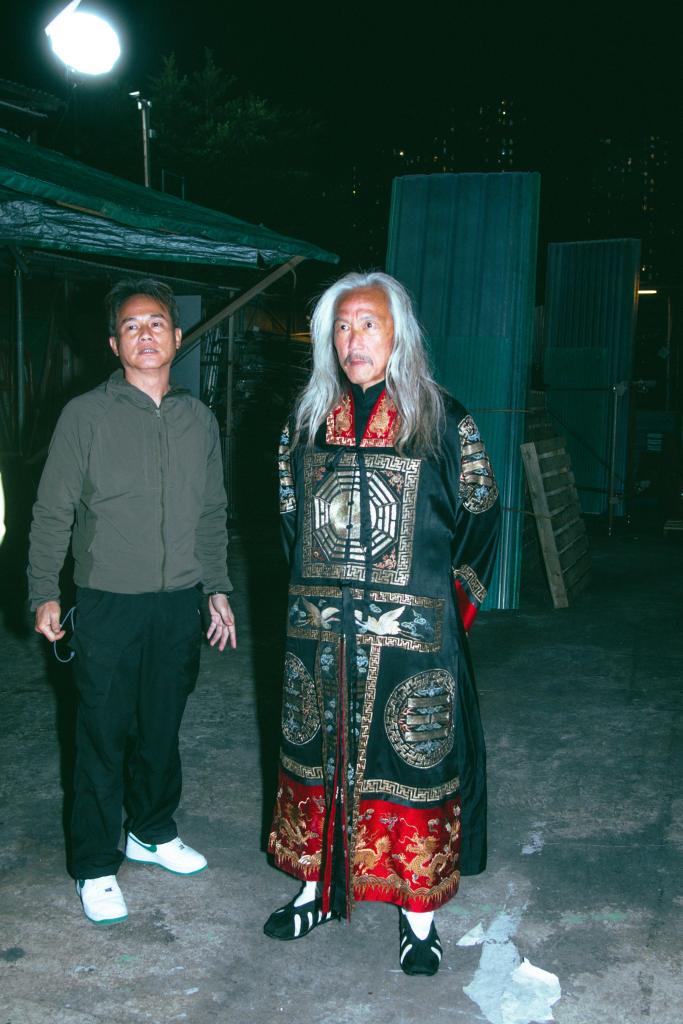
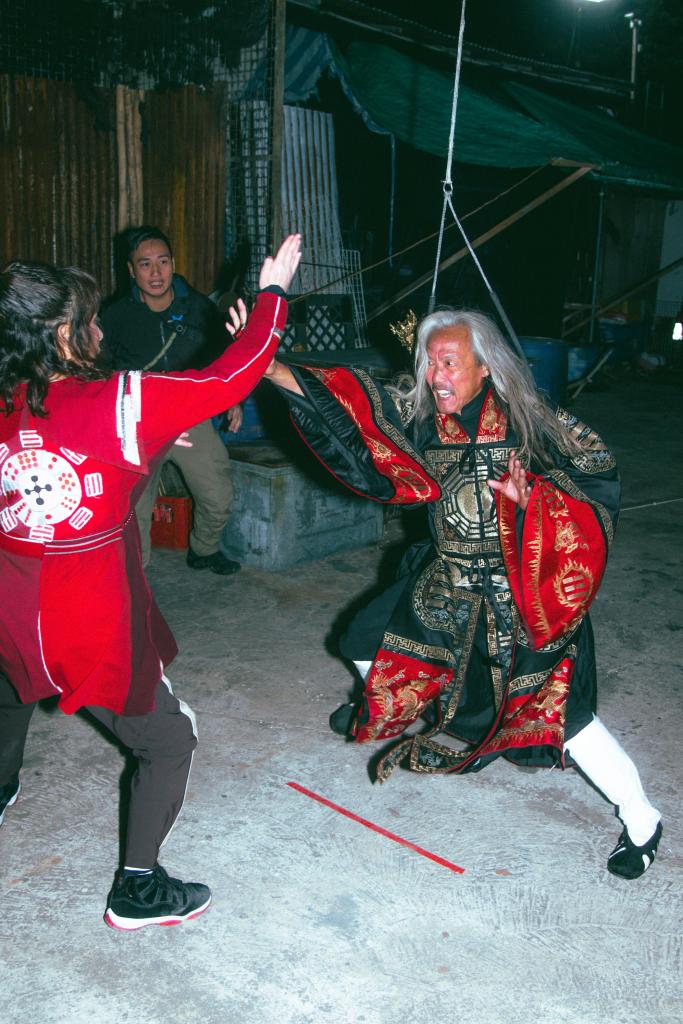
I heard that Hong Kong film budgets aren’t what they used to be, which is a shame because it could be so good. But you’re making it work, so that’s amazing. I’m excited having been a part of Mage 2, even if it was just me lurking behind the scenes for two days. I’m really excited to see the final product. As a producer, how do you ensure that a sequel like Mage 2 maintains the same energy as the first film, or even improves on it?
It’s sort of like a football or basketball team. You’re playing a season, and making a film is generally a bit like that. You look at a previous game and think, “We could have played better.” So you try to improve every time and look at the areas where you can do better, just like an athlete.
With each week or each movie you do, you have a certain standard, and then you try to improve on that. This one was a little tougher because the production was bigger and there were more people. People have to get along enough so we can move things forward. I’m glad that when you came, we were getting there. I came back from Indonesia, got back on set, and everyone was quite peaceful and doing their thing.
Everything in life is like that. You think you’ve shifted into cruise control, and then you have to put the effort back in. There’s always something going on. As soon as you feel things are going well, the next day something might not be going well.
You’re an actor as well as a producer. When you’re doing both, how do you switch hats? How does being an actor influence your producing, and vice versa?
In the true sense, I’ve only worked as an actor and producer at the same time on the boy band project. But I was pretty dormant as a producer. I was more focused on playing my part as a boy band member and playing it up.
Back then, I was much larger. The character I played was this sort of drunken dude in a boy band. I was around 200-and-something pounds, which is funny because I got into the boy band after modelling. It was like, “Model becomes a boy band member, but look at him. He’s sort of bloated.” It was the heaviest, largest boy band you’d ever seen. So I was more on the front-end side as an actor. I haven’t really had much of an opportunity to balance the two roles 50-50, so I don’t have much experience with that. I don’t have problems switching, though. As an actor, or in the industry, you start becoming a bit crazy anyway.

Is there a particular kind of film you’d love to act in or produce at some point?
It’s funny, I was always such a Star Wars fan as you know. I used to tell myself and Josie that I’d do anything on a Star Wars set. I’d be a rubbish bin on a Star Wars set. I’d do anything.
Somehow, I got to meet Nina Gold, one of the casting directors for Star Wars. We were having yum cha in Hong Kong, and I said I’d just be a Stormtrooper. She asked, “Are you really sure about that? Don’t you want to see your face and be a Jedi or something like that?” That was one of my dreams. But I thought about it, and once the hype goes away, I’m at a different stage in my life. I couldn’t be in a Stormtrooper costume for a whole day. I need my comforts in life. At least as a Jedi, I can breathe!
You would have been a great Jedi I’m sure. And they keep continuing the Star Wars universe so I may see you in one of the new ones soon! As someone who moves between different disciplines, including music and film, what advice would you give to young people who want to build similarly diverse careers?
I’d give three pieces of advice. One is no fear. Two is forgive yourself. And three is love yourself.
It’s probably better for young people now because of the positives of social media. You can put yourself on a platform where there are so many people. Back in the day, the only way to do that was to become a rock star or something like that.
Being on stage can be quite traumatic when you get haters, and there’s pressure from your own expectations. You feel it because it’s different from normal life, where everyone is looking at you. You really have to treat yourself nicely.
But don’t get so nice that your head starts thinking, “I’m the king shit now.”
It’s like everything in life. It’s a journey. Enjoy the journey and enjoy the process. Whatever the outcome is, if you do the process, the outcome will come.
I love that. Thank you for your time!

IMAN
Can you tell me about your role in the film? Who’s your character?
Well, my character’s John, which is actually very close to my situation here. John is a foreigner who, for some reason, ended up in Hong Kong and grew up here with the Hong Kong opera troupe. So he’s so in love with Chinese culture, maybe sometimes tried to be more Chinese than they’d like a new generation for these people. So dedicated to this culture and the legends and all the martial arts and stuff.
Growing up in a Chinese opera troupe, he had no chance to be on the show because he doesn’t look like them. And his sifu, his master, found him some kung fu teachers.
He ended up being in action movies, mostly as a stuntman. An action star that he’s trying to be. But most of all, he’s a very righteous man. He’s ready to give up everything to do the right thing. And so I don’t want to spoil the story, but because of some stuff happening, he is now on the run. Like Bonnie and Clyde. And this is them against the world. Not just the physical world, like underground demons, witches, sorcerers, and everyone in an underground world looking for them.
You said it’s similar to your situation. Can you tell me more about that?
Yeah, I ended up here like… I cannot say it was a pure accident, but it was like a civil suffrage. I never thought of being here one day. Like two years ago, I was just far, far from this world. And now I’m here. I came here to help. And then I ended up being in movies, and this is my first feature, lead actor.
I think it’s such a crazy story. You’ve also graduated as one of the top surgeons and fast forward, helped Conroy in a life-or-death situation, and ever since you’re like a creative trio, basically.
I mean, that’s my childhood dream. I cannot deny it. It’s not like I didn’t expect it to happen. It’s a dream that you’ve been obsessed with for a reason as a child. Just now I’m here and I know it’s supposed to be there.
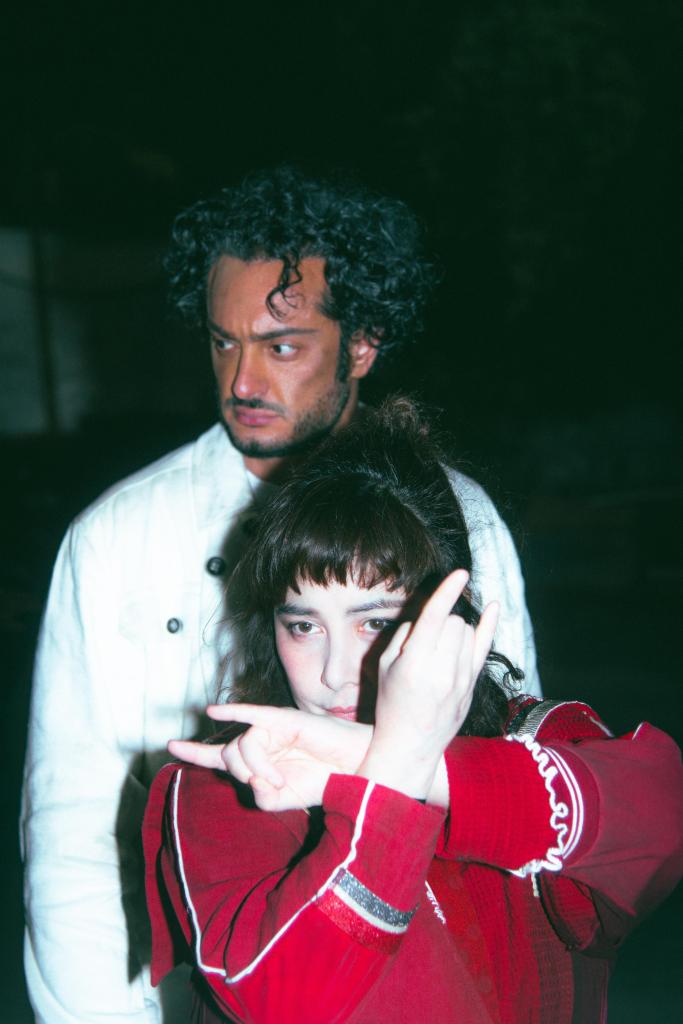
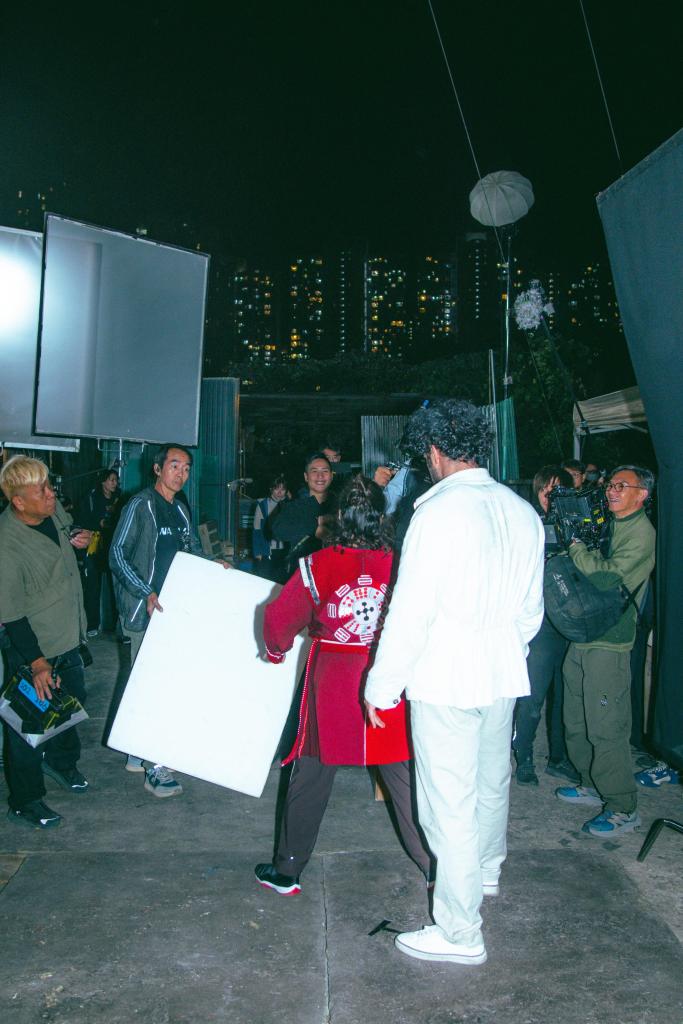
You’re also a writer. You have a poetry book.
I think everyone is a poet. Some people write it, some people don’t. I’ve been writing poetry for 30 years now. Mostly in Farsi. I’m Persian. I was born and raised in Iran.
Lost in Your Eyes was to highlight your Persian culture, wasn’t it? What made you choose poetry as a medium?
Growing up in Iran, you have no choice. Then, you know, you see poetry in every corner. All the big names in Persian culture, Hafez, Saadi, Rumi, Khayyam, like this poetry is like air you breathe every day.
I started writing when I was a teenager and I never stopped. Sometimes more, sometimes less. About four or five years ago, I started to try to write in English when I’m learning English. And I tried to translate some, write some poems in English, and it ended up being that collection.
Do you speak Chinese as well?
I mean, I’m living here and listening to people. I try to learn from them. I think it’s a long way to say that I speak their language. It’s learning by doing, right? I learn English by watching films. I’m learning Chinese by making them.
That’s the best way to learn!
You filmed Mage 1 as well, and now it’s Mage 2. When you have a character and then you have to revisit that character, how do you channel yourself again? Because obviously it’s been a while.
In Mage 1, I had a… let’s say special appearance. It was another character. I played the chief of police in Hong Kong. It was a supporting role for a few scenes. It was for me just to, as they say, dip my toes in the water. To see how it goes. But now this is a completely different character, different book.
In Hong Kong, it’s not that unfamiliar a thing. I see a lot of characters change through the stories. They come up with sequels like 2, 3, and then you see the same actors doing different things. I didn’t know that, but yeah, I’ve been watching a lot of Hong Kong TV series and films recently, and I get to be more comfortable with that. Even if you look at the two characters, you may not even recognise me, like this guy and this guy.
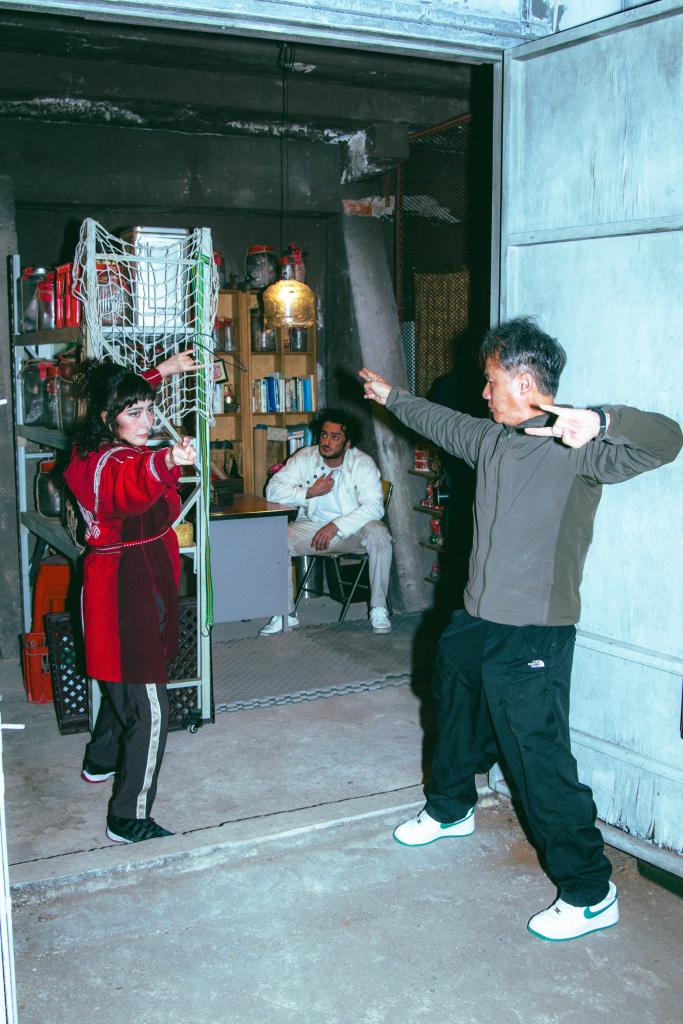
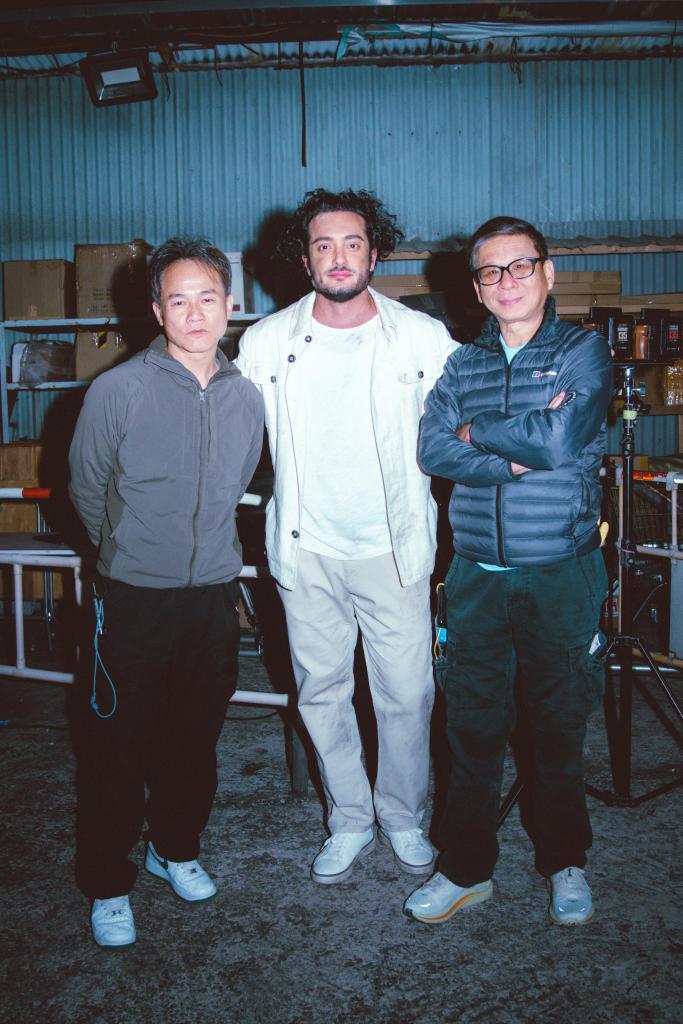
What do you think makes Hong Kong’s scene it so vibrant and unique?
Well, I think the first movie I remember watching was Bruce Lee. And then one after the other. Back then, it was not easy to get our hands on films for us in Iran, and we all called them Kung Fu films or Chinese films. But most of them come from Hong Kong, and throughout the years, Hong Kong had their golden era in cinema. We had Jackie Chan, Bruce Lee, and all the stuff that really reshaped some action films in the world.
Given the small size, like this island, I think it had a very big impact on international film and cinema. You see still, in big, big projects, big productions, Marvel productions, action heroes. They’re still using the techniques that for years Hong Kong people were doing in the wire work and all this stuff. But recently I’ve been studying more precisely Hong Kong film, cinema, TV series, culture, language, poetry, everything to be more prepared for my role. And yeah, I think it’s a big ocean.
Would you ever bring your Persian side to Hong Kong? Would you ever merge the two? Maybe do a film from your poetry or bring a bit of that into your work?
That’s a possibility. But I think the key for me to learn faster and to be more in the moment is just not to think too much about my heritage, my Persian background, and culture. Of course, I am what I am from where I am.
But I think here I become a child again, so with no assumption, no background, I just learn like a baby. Watch people and try. Sometimes I see a lot of similarities between our culture and Chinese culture, and I just notice, observe and let it go. I’m not trying to make sense of my culture now.
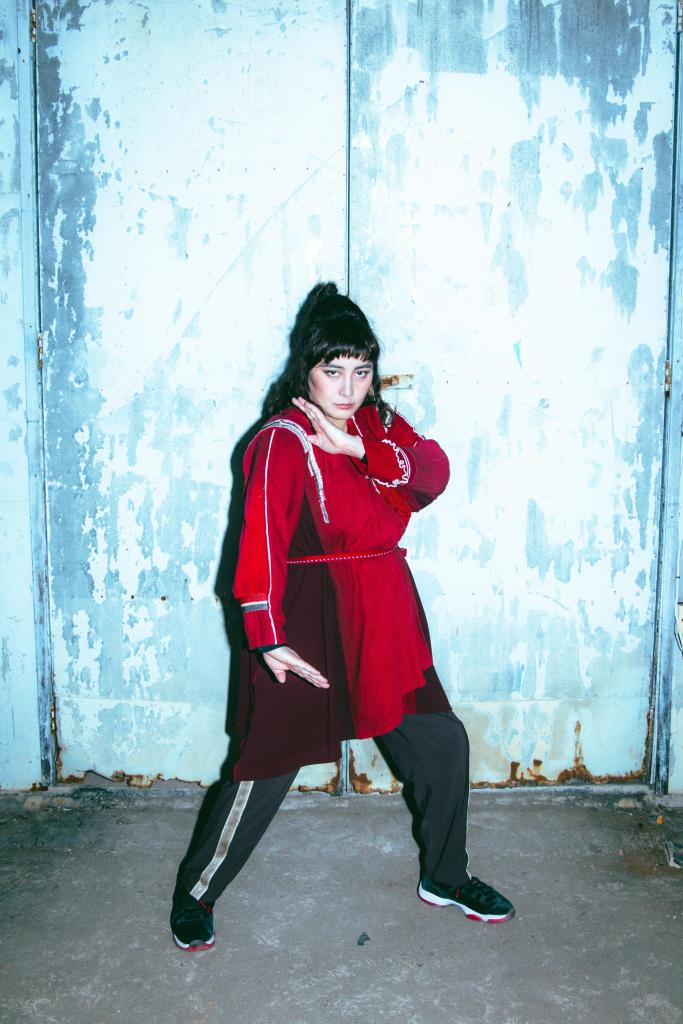
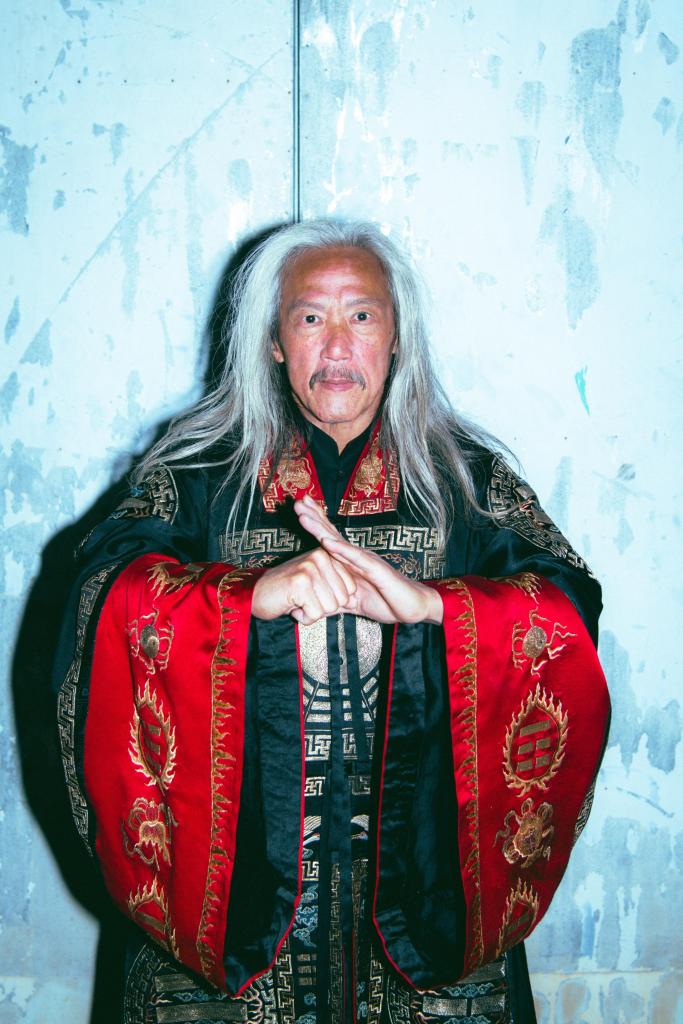
Sounds like you are fully immersing yourself which sounds fun! It sounds like you are enjoying your time here so far?
So much. I’ve never been happier.
I’ve been through a lot. Ups and downs. I did a lot of amazing stuff, including being part of a team of one the most amazing surgeries I’ve ever been in. I had to split two twins that had been attached.
Oh wow!
I’ve been through good moments, bad moments, but now this is the moment for me. I’ve never been happier.
I love that. But also, how impressive to hear about your background as a surgeon. How did you prepare for your character, because obviously it’s a supernatural role and it’s different from the first character you’ve done in Mage 1?
My imagination is wild. But to make sense of this magic work, especially in Chinese culture, Josie helped me a lot. And then with Conroy, I talk about differences, like the meanings and the characters. A lot of characters, like we watch the film from our perspective as a foreigner. How can they fly? They jump that high. What do they do? Oh, this guy knows how to do it. Or when you sing 王黑公, every Chinese person knows, okay, this guy is invincible. They practise it. And if you try to stab them, you cannot. There is a lot of stuff that you need to know what is going on. It has a lot of background. So, Josie, working with me, helped me a lot.
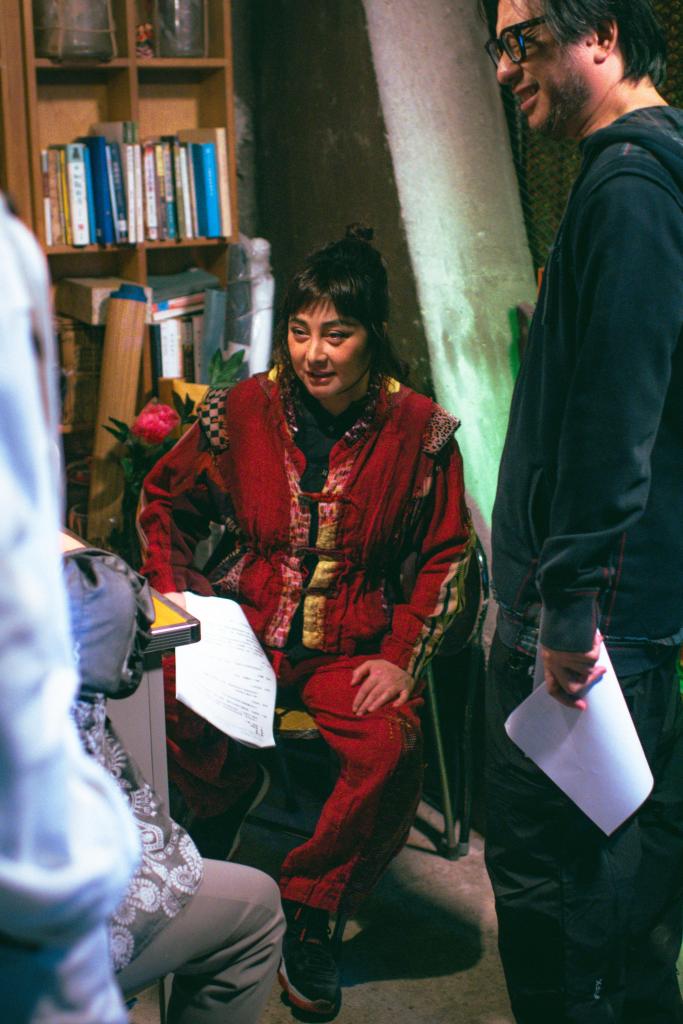
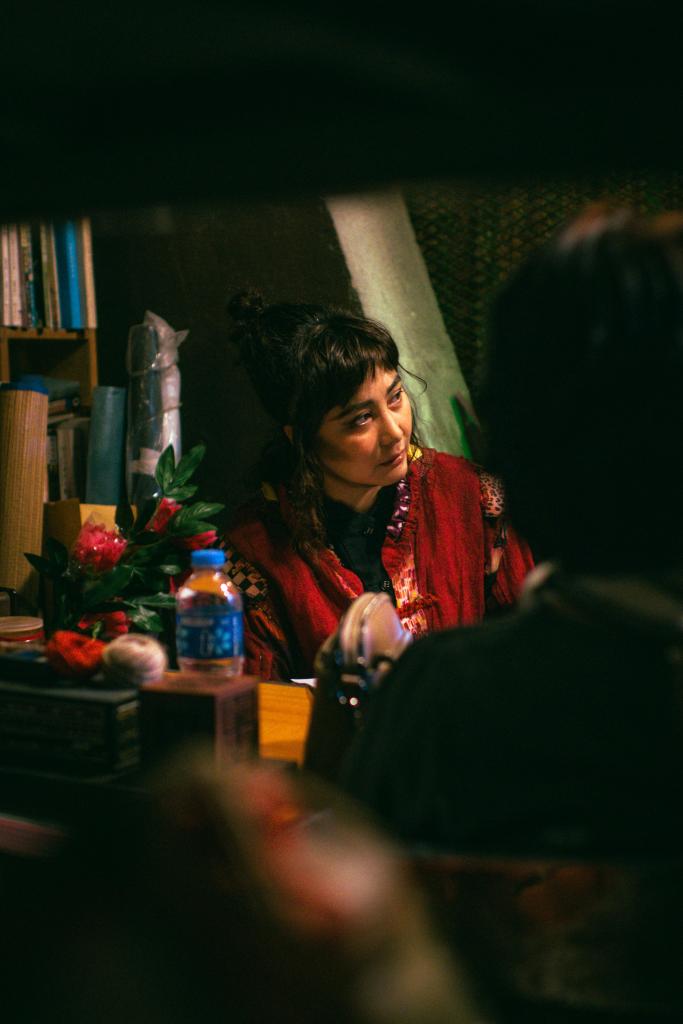
What’s the most important thing both of them told you, as seasoned actors?
Enjoy. That’s what it’s about. Enjoy. You always have to enjoy.