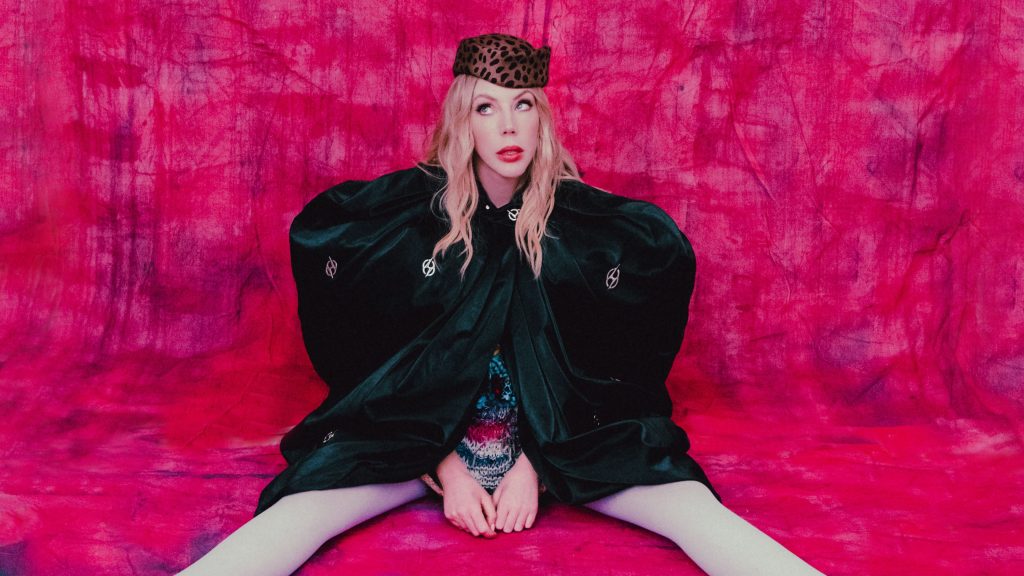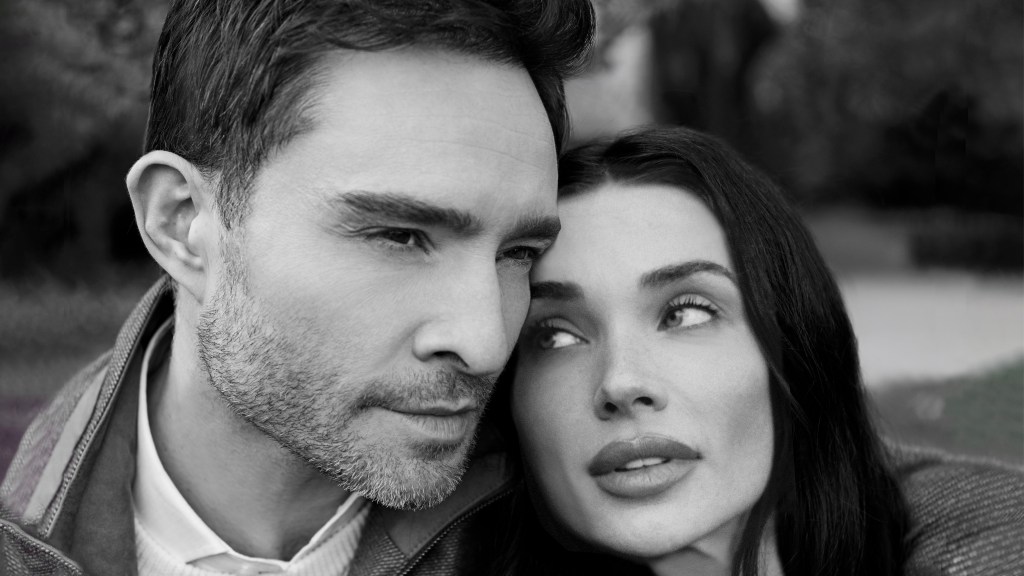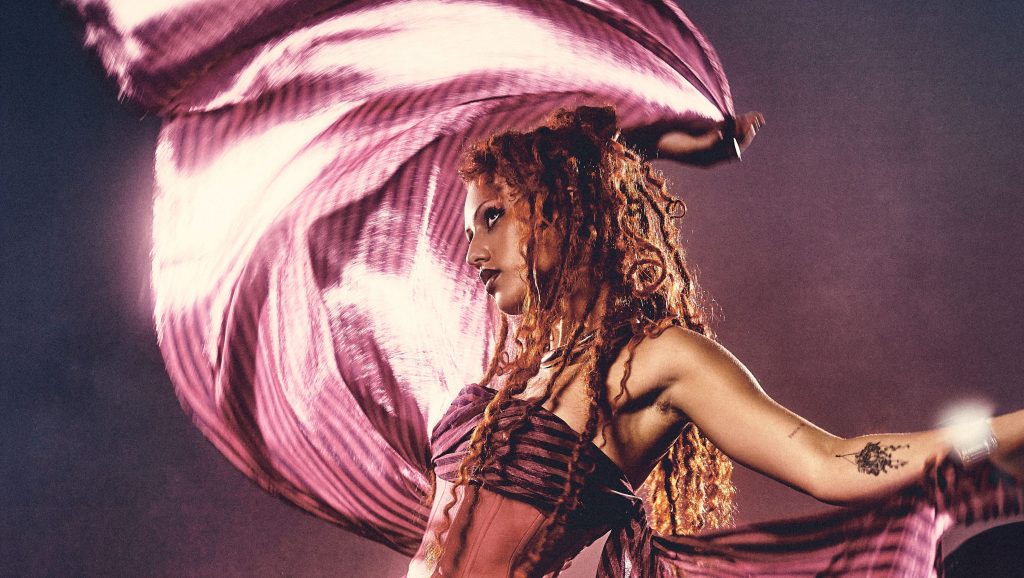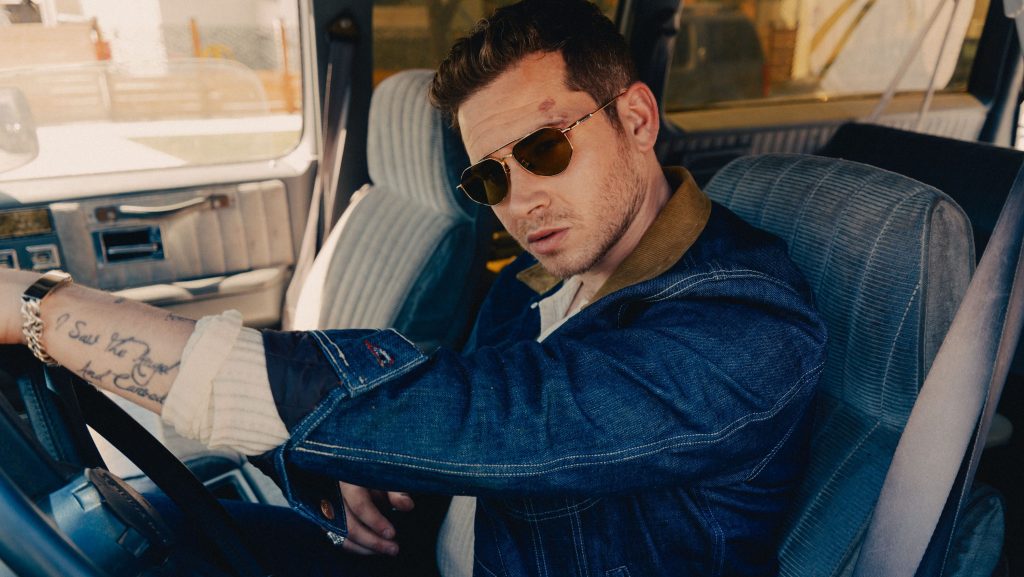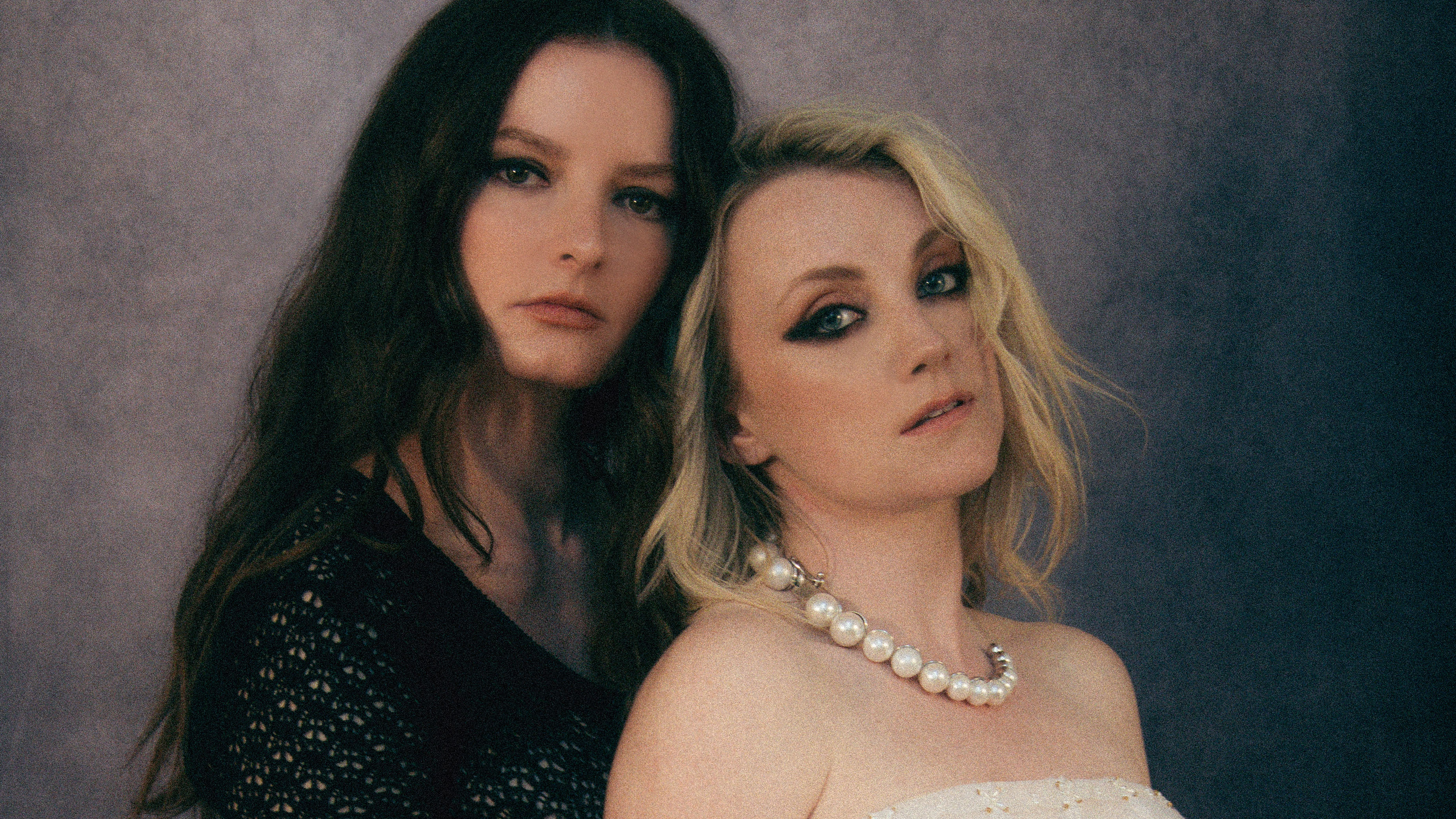
Evanna Lynch and Dakota Blue Richards share something in common that most people never experience: bursting onto the global stage whilst still being children. With Harry Potter and The Golden Compass to their credits, both had to navigate the acting world as they grew up.
Now, the two come together as they star opposite each other in a new short film, Each Coming Night, which is also written and directed by Richards. When Gwen (Richards) arrives at a hotel which was recently the scene of a brutal murder, receptionist Sophie (Lynch) assumes she has met a fellow true crime enthusiast; however, it soon becomes apparent that Gwen’s interest is far more personal.
Take a look at our exclusive shoot and interview, where we spoke with the pair about navigating the acting industry, balancing unpredictable work schedules with their personal lives, and of course, the inner workings of Each Coming Night.
PHOTOGRAPHY
Jack Alexander
FASHION
Kim Howells
HAIR
Sandra Hahnel at Caren
MAKE-UP
Kate Glanfield
FASHION ASSISTANTS
Lara Jones, Frederica Hall and Genesis Lovera
Dakota, how long have you wanted to be behind the camera?
Dakota: I think my desire to write predates my desire to direct. I started writing in probably 2016/2017, mostly because I was frustrated with the scripts I was reading, and I wanted to write the kind of script I wish somebody would send me. But it wasn’t until Calum, my producer on Each Coming Night, said, ‘I think you could actually get this made’, and asked, ‘Why don’t you direct it as well?’ that I even thought about directing. I never really had ambitions to direct before that, although I’ve certainly had thoughts about how things should have been directed [laughs]. I suppose it was a logical next step to actually do it instead of being a backstage director.
And how did you find being the writer, director, and a member of the cast on set?
Dakota: By the time we came to shooting, the writing part was done, so that felt quite separate from the acting and directing. And I think because I had written it and was so well acquainted with the material, it was easier to switch from one role to the other. But it is quite tricky to feel like you’re fully immersed in a performance when you’re also having to consider, ‘How does this lighting look on my face? Is this take moving quickly enough? Are all the props in the right place?’ All the other things that I was responsible for had to be held in the back of my mind even in the moments that I was giving the performance. But we found some tricks to make that easier. There was a scene where we go up to the room for the first time, for example. I had my back to Evanna for a lot of that conversation, and so when we were shooting just on her, I could put a monitor in front of me – that I could see, and she couldn’t – so I could direct her performance while still being on my mark for her to act against.

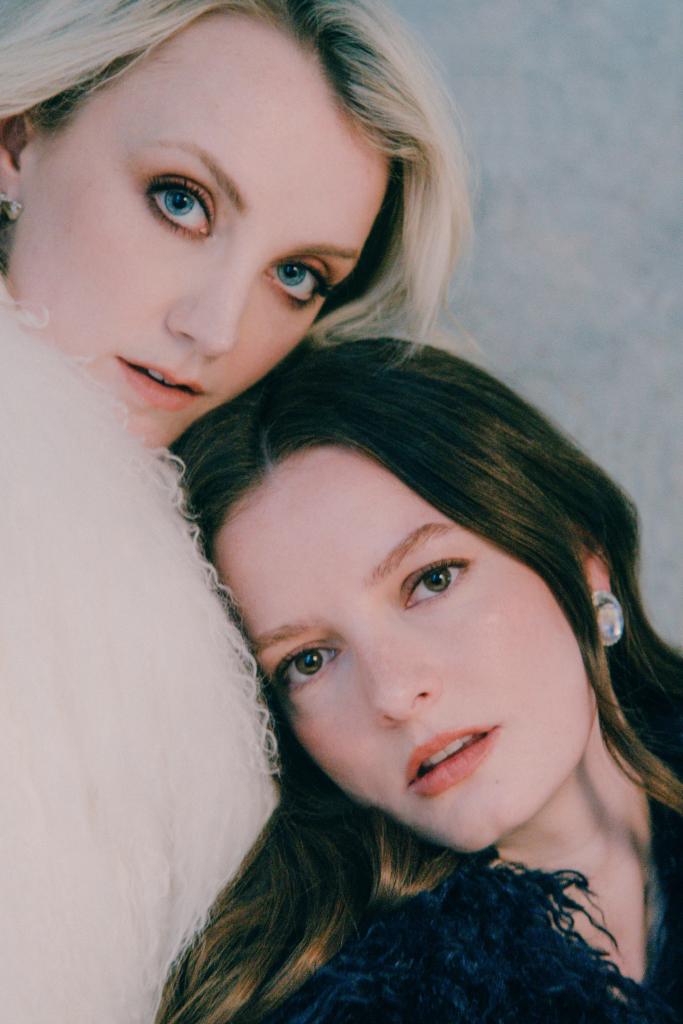
Evanna wears Jacket Bienbie / Dress Alanna Rose / Bra Fruity Booty / Earrings Maison Lumiere
Dakota wears Jacket Peachy Den / Top Fruity Booty / Earrings Xhenxhen Jewellery
Would you have to review what you had just shot? You almost had to be in two places at once.
Dakota: Yes, but because of time constraints, it couldn’t be the case that I would do a take, watch it back, do a take, watch it back. I had to rely on my crew and on Calum, our producer, to be watching for any errors that would mean we’d need to go again. The rest was an intuitive sense of whether we’d captured the performance, and usually, once I felt we’d got it, I’d watch it back to confirm. But I guess my experience of directing was slightly diluted by having to also be [an actor] in it.
Evanna: Not that different from doing self-tapes.
Dakota: Actually, I think learning to direct your own performance is probably the one benefit of having done so many self-tapes. I don’t think there’s any other benefit to self-tapes [laughs].
Evanna: I agree, they become so technical, and then afterwards you’re like, ‘Was I even in it emotionally?’ You never really surrender the same way you do when you’ve got a director.
Because you’re thinking about how it looks, on the other side?
Evanna: Yeah, you’re thinking about the angles, the camera craft, everything. When normally that’s something you’d give over to the director.
Dakota: I think I helped myself on this project by giving Evanna all of the lines [laughs]. So at least I wasn’t having to think about what I was about to say. I don’t say very much at all.
When you were writing it, did you have anyone in mind for either character? First of all, did you know that you were going to be in it?
Dakota: Well, there’s no way of saying this that doesn’t sound incredibly narcissistic, but I picture myself in every role that I write.
Evanna: Same!
Dakota: It doesn’t matter if it’s an 80-year-old man. It’s still me playing that part in my head.
Evanna: I have the same thing with every fucking book I read. I’m always the main character. Everything. Now I’m 35, I think, ‘You’re not the 18-year-old protagonist. You can’t be.’ But I still have this delusion; I’m like, ‘Yeah, but that was definitely written around me.’ I think it is useful as an actor, sometimes, but it’s a level of delusion that you have to rein in a bit. There are other actors.
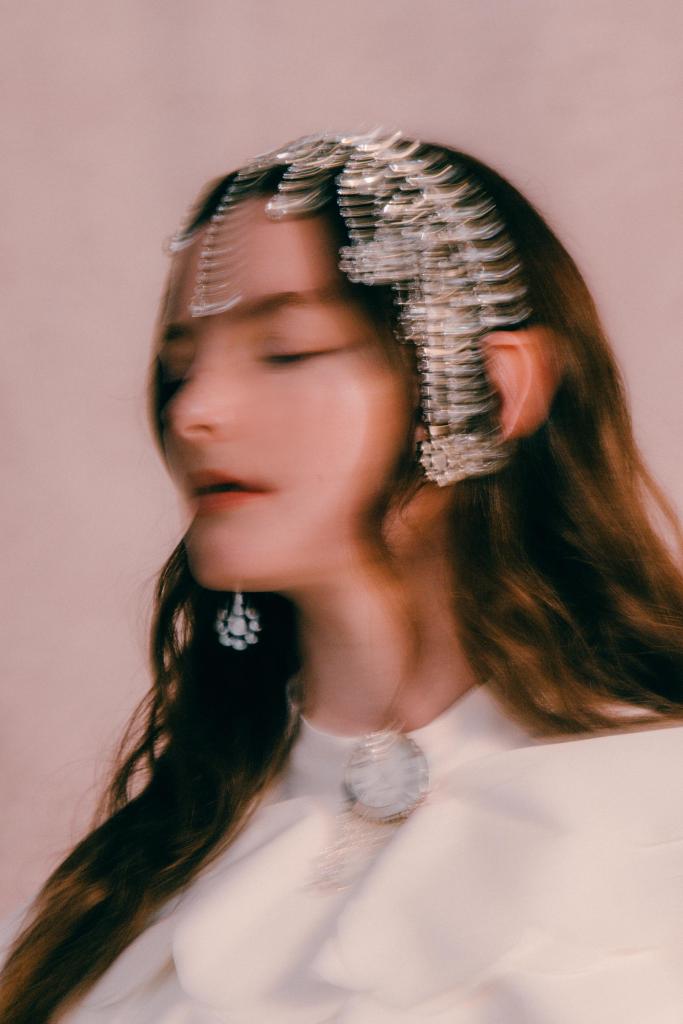
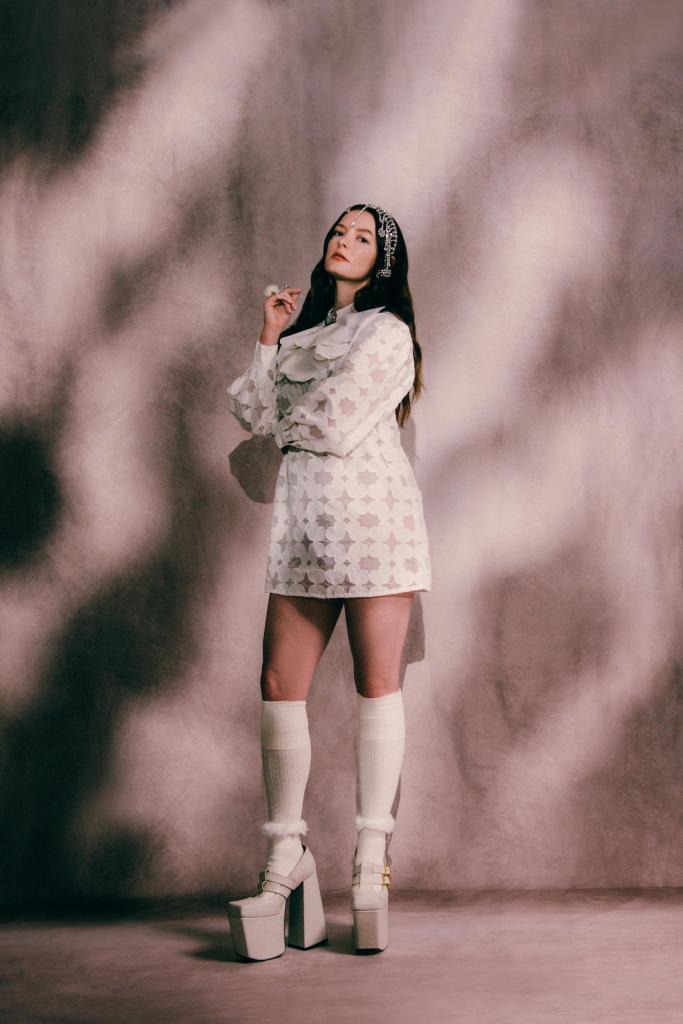
Dress and headpiece Susan Fang / Shoes Roker / Brooch and earrings Vicki Sarge / Rings Maison Lumiere and Xhenxhen Jewellery
Dakota: Yes, and some parts are easier to relinquish to somebody else than others. But I also think in both of these characters there are elements of myself, or my experience. I’m probably much more like Sophie than Gwen.
Evanna: Really? In what ways?
Dakota: Well, I think her interest in true crime is just 100% my interest in true crime. I think her reaction to the situation is very much what mine would be in that position. And I think her way of speaking too much before really having gauged the situation is also… Just me. So I think there are a lot of elements of her that are just parts of myself. That being said, I made a mood board very early on, when I had the first draft of the script, and it had a picture on it that… I don’t think it was of [Evanna], but it looked a lot like you. And then that image was cemented in my mind, and from that point, [Evanna was] always top of my list for Sophie. But to be honest, I didn’t think you would say yes [laughs]. You were top of that list, and then there were other people that I’d approach if you said no.
Evanna: That made me emotional because oh my God, I just… love a vision board. I’m always making vision boards, but it’s always other people on my vision board, so the idea that you had a version of me on your vision board, and then wanted that, that’s so sweet and cute. I love being part of that side of the manifestation, rather than always trying to be someone else. Sometimes, you’re enough.
It’s nice to know you’re thought of.
Evanna: Yeah, exactly. And not the second choice. That’s very unusual. [laughs].
Dakota: Well, there were lots of reasons for that; I felt that visually, and in terms of your energy, you were perfect for that role and exactly as I had pictured it, but also I was really interested to meet you, and to work with you, because our lives have run parallel in so many ways. You seemed like a person I would really enjoy working with. So there were lots of reasons that I felt you would be a good fit. And you were.
And what about the rest of the team? Were they people that you’d worked with before? Obviously you must have met a lot of crews along the way, but you’re not a director who has a go-to crew.
Dakota: So, we shot in the North East, and because of the budget and the scale of the production, a lot of the crew were local. I’ve not done a lot of work in the North East, so a lot of those people I’d not met before. Craig, our Director of Photography, came on board very early in the process, and he built his own camera team, which was the bulk of the crew. But then we had my lovely friend Rich, who was our crane operator and our stills photographer, who just basically insisted on being a part of the production [laughs]. As soon as he heard that I wanted to make something, there just wasn’t a reality where I was going to do it without him. And then our makeup artist Debbie is the mother of one of my childhood best friends. So I’ve known Debbie since I was six years old. And Kelly, who did our hair, I’ve worked with before on photoshoots, but never in film. So some people were new, and some people were friends that I kind of… dragged into it.
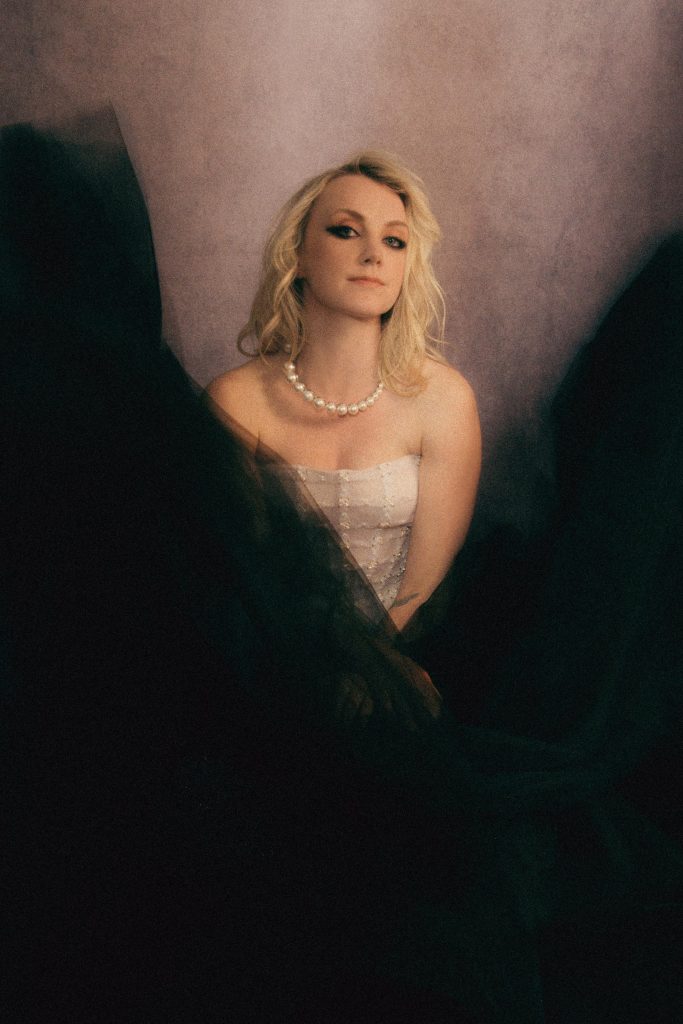
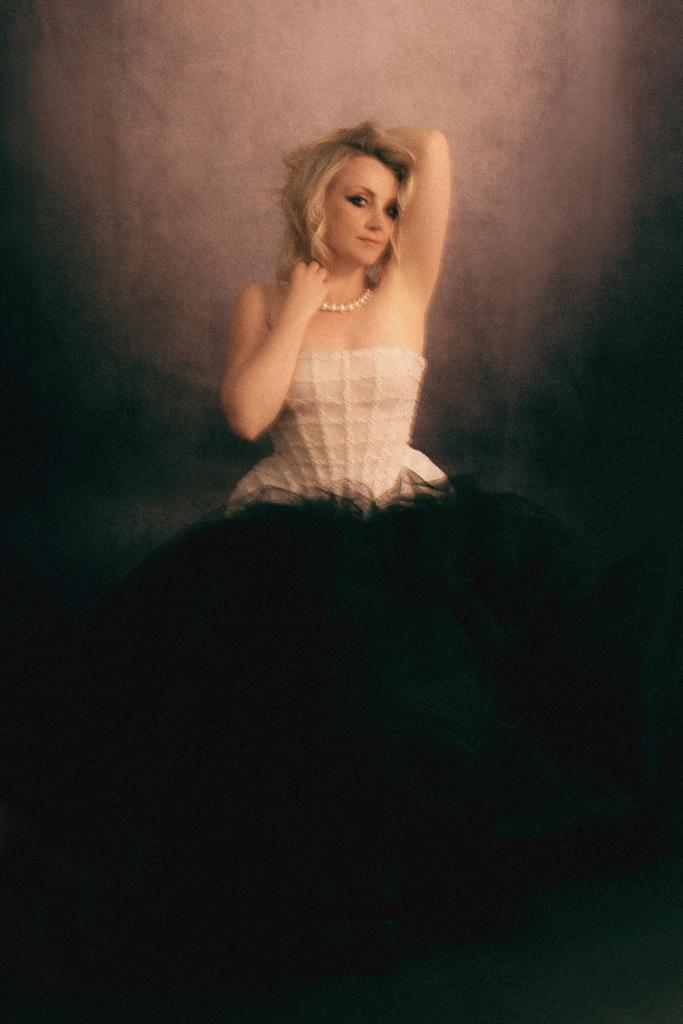
Dress Carolina Herrera / Hat Jenny Beattie / Necklace Xhenxhen Jewellery / Shoes Pleiades
Got to pull those favours when you can! How did you land on the film’s title?
Dakota: The film’s title is from a song by a band called Iron and Wine, who I was quite obsessed with for a long time. They have a song that is also called Each Coming Night that is about… death, I think. At least that’s my interpretation of it. The lyrics in the final verse are, “Will you say to them when I’m gone, your face has faded but lingers on, because light strikes a deal with each coming night.” And that embodied the tone of what it was I was trying to write: searching for that shadow of someone who has been there. A lot of my writing is very inspired by music. There’s nearly always a song, or a few songs, either obviously or less obviously, referenced in my work.
And how did you find the venue? How did you know that was the right setting?
Dakota: Craig suggested the venue. Calum and I spent the best part of a year sending each other hotels and trying to find something that would be a good fit for this story, which was a lot harder than I expected it to be. We wanted something that was going to be beautiful, something that felt the right size. It needed to feel big enough to be odd that it’s so empty. And a non-modular bed is almost impossible to find these days; a bed you can crawl underneath. We must have gone through literally hundreds of hotels before Craig suggested Thicket Priory. His other business is wedding videography, and Thicket is a wedding venue. So he had shot a bunch of weddings there and was like, “I think they’ve got beds you could get underneath!” [laughs]. And then Anna, who was the manager there, loved the script and was so enthusiastic about it. This was way before we got any funding. And she really pushed for us to come and film there, which eventually led to Bruce, the owner, coming on board as an executive producer and ultimately letting us shoot there for free, which was incredibly generous.
When you were searching for venues, how do you know when to quit? When you said you went through hundreds of venues, how did you not just end up kind of settling? How did you know that there was still something out there?
Evanna: That’s a good question.
I get it with shoots sometimes. There’s a deadline; it gets to a point where the options we have are not perfect venues, but something’s going to have to work, you know, and we’ll just have to be selective with angles or whatever.
Dakota: Yeah, it’s an interesting question, and one that I don’t know that I’ve got a good answer for, because we found Thicket Priory. We were in conversation with them for a long time; they really liked the project, but initially their quote was more than we had budgeted for. And at that point, because we didn’t have any funding, we were kind of like, ‘Well… I guess we’ll go away, we’ll try and raise the funding for it, and we’ll see how much we get. And if we can afford you, we’d love to shoot here. And if we can’t, we’ll have to keep looking.’ Honestly, we thought at that point that we’d have to compromise on the aesthetic of the film and just shoot it in a much less lavish place. Which could also have worked; it just would have been a different aesthetic. And then I got pregnant, so the whole production went on the back burner for the months that I was pregnant because I didn’t think it would make sense for my character to be pregnant. And then two weeks after my daughter was born, Bruce spoke to Calum and offered to let us shoot for free and offered us specific dates, which we weren’t at all expecting. At that point, everything suddenly locked into place. So suddenly we were thrown into pre-production because we had to have everything ready to shoot by those dates. It was like a switch just flipped. But I think if that conversation hadn’t happened when it did, realistically we would have just had to make a different kind of film.
Evanna: Do you think it would have been made in that timeline?
Dakota: I think it would have been made, but it might have taken a bit longer, and I don’t think it would be anywhere near as beautiful. By that point, I think we’d put so much effort in already that we wouldn’t have just given up on it.
Evanna: Interesting how important deadlines are to the creative process!
My next question, you’ve kind of touched on. I was going to ask if you had the freedom of just moving at your own speed, or was there a deadline in mind? Obviously, getting pregnant dictated certain things.
Dakota: We didn’t have a deadline for the final product to be finished. Our only strict deadline was the shooting date. We were given those dates at the beginning of June, and we shot at the beginning of January. It was tricky because obviously I had a two-week-old baby, and other bits of work to juggle, so it was a lot of late nights. I think I was very lucky to have Calum and also our associate producer Hannah. There wasn’t a single decision on the entire shoot – down to what food we ate on set – that I wasn’t involved in, but there were weeks where I was just too exhausted, and I needed someone else to do a task that I said I would do three weeks ago and still hadn’t done. And they were very accommodating of that. When you asked earlier whether they were people that I’ve worked with before, Calum, I’ve known for maybe 15 years, but this is the first time we’ve worked together. But because we know each other so well, he can sense my burnout even before I do, and he’s very good at just taking things out of my hands when I reach that point.

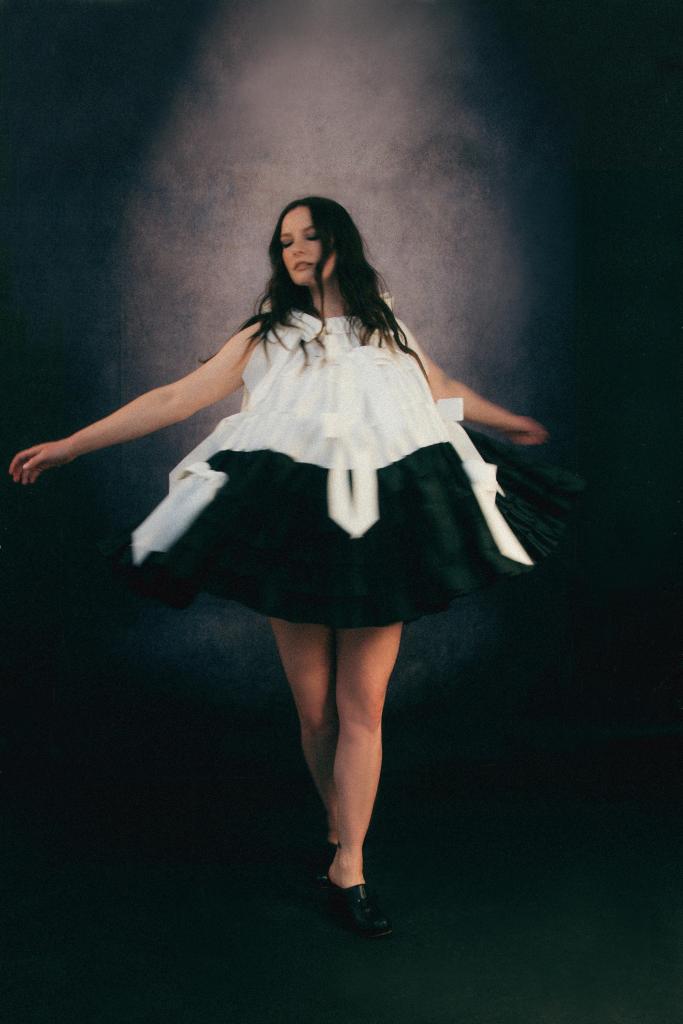
Dress Susan Fang / Shoes Pleiades / Gloves Min-Ji Kim / Earrings Xhenxhen Jewellery
And Evanna, how did you come to be involved? What was the process?
Evanna: Dakota reached out. We had the same agent at the time, and it was an awkward time, actually, because I had just left that agent. It ended quite amicably; it was just time for a change. So I was really pleased that they forwarded Dakota’s email, because they could have easily blocked that.
Dakota: What perfect timing! So often agents don’t pass short films on because, you know… There’s no money in it. They think, ‘It’s not worth it for my client.’ So if you had already moved, there’s a possibility that that email might never have reached you.
Evanna: I hope that you would have DM’d me! I was just delighted to get the email. It came also at a point… when I had sort of given up on acting. I was like, ‘I’m retiring. I’m done. I’m sick of being this industry’s bitch.’ You know where it feels like a toxic relationship, where I was putting so much into it and it would give me a little crumb.
Just enough to keep you going.
Evanna: Just enough to make me think, ‘Oh maybe it’s just around the corner.’ And I quit, and then I had been so consumed with jealousy over that year of ‘retirement’ that I was like, ‘This is not right for me at all. I don’t want to quit.’ And that’s when I moved agent because I figured I needed a reset, a new approach. And anyway, the film, that just felt like a little hint from the universe that it was a good decision, you know, to continue acting. It was actually very good for me to quit for a while, because it made me go, ‘Oh no, I want this’.
Remind yourself why you got into it in the first place.
Evanna: Yeah, so that was what happened. And everything that [Dakota] sent me was just so beautiful. It was so beautifully crafted – the words, the pitch deck, everything. I was just like, ‘Wow, she’s got amazing taste.’
That was actually my next question. What actually drew you to the film? Clearly the circumstances aligned perfectly, but is there anything specific about this project that caught your attention?
Evanna: I liked the subject matter too. I liked that it was dark, but not in a way that felt exploitative or grim. Because there is this obsession with true crime, which we’ve had a lot of conversations about, and I don’t know if it’s good to feed this appetite for it because you wonder if that is then creating [more of] it. Is it creating serial killers out there? But I found I really liked the perspective on the victim. [Sophie] is someone who was trying to reconcile this horrible, gruesome, shocking thing with real life and a real person. I thought it really humanised crime and stripped it of glamour. I also really loved the script. For me, it’s always about the writing.Dakota: I’m glad it brought you out of retirement! [laughs]
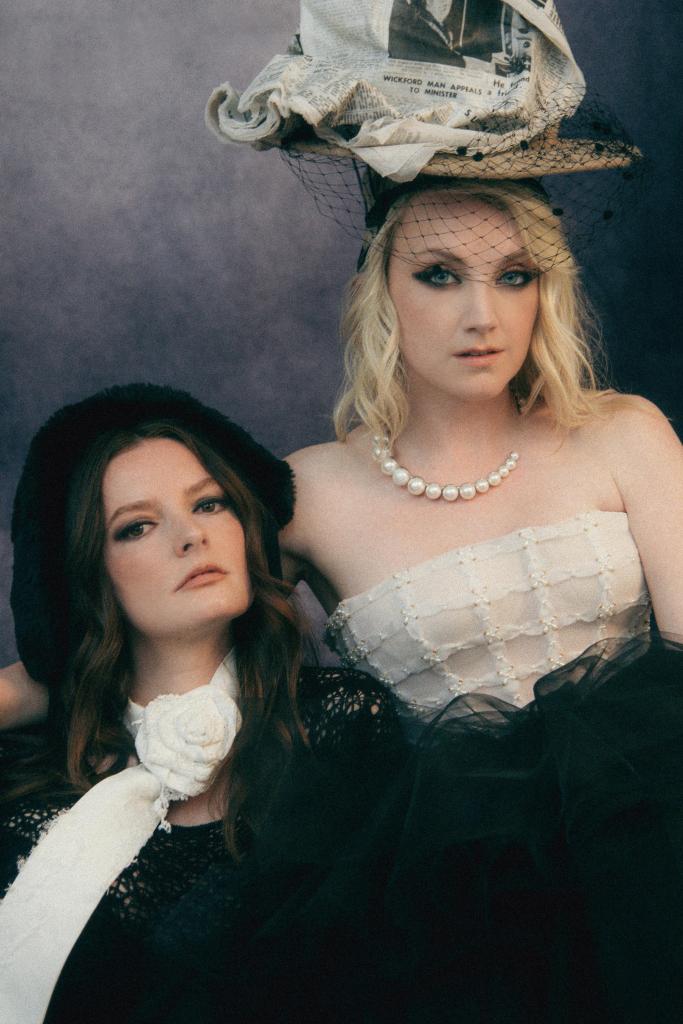
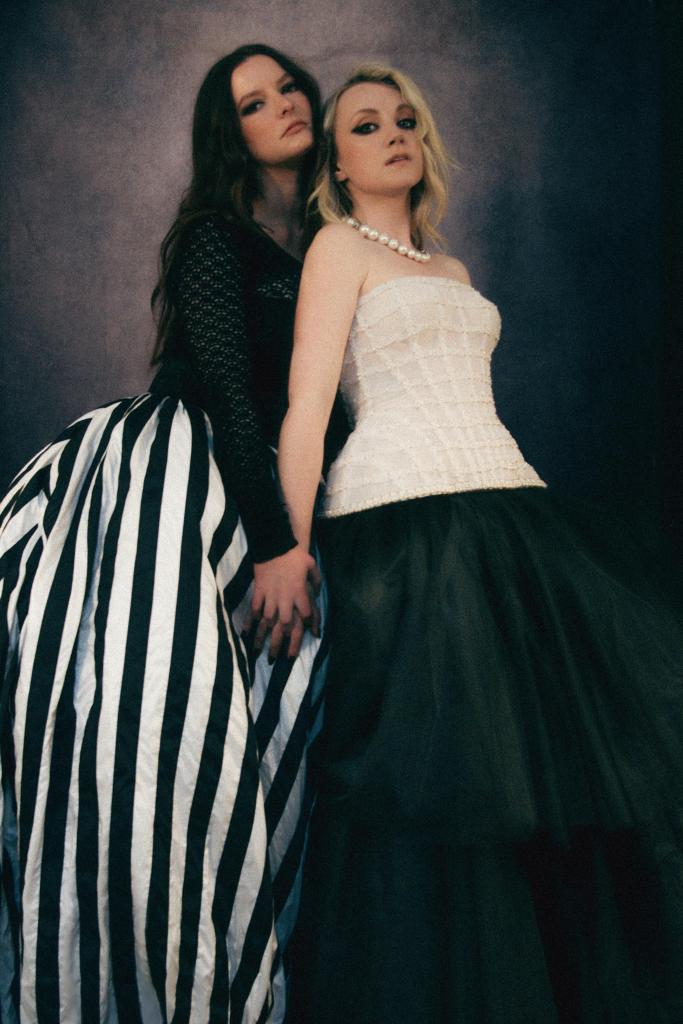
Evanna wears dress Carolina Herrera / Hat Jenny Beattie / Necklace Xhenxhen Jewellery / Shoes Pleiades
Dakota wears Top and leggings Samanta Virginio / Skirt Min-Ji Kim / Tie and belt Horti / Bonnet Emma Brewin / Boots Pleiades / Earrings Xhenxhen Jewellery
Was there anything about the character that you added?
Evanna: Well, we had a whole chat at first because I think I had that stereotype in my mind of someone who’s into true crime: they’re a goth, and they wear a lot of black. And I was like, ‘Cool, I’m gonna have a vibe shift. Nobody’s ever cast me in this way.’ [laughs] And I had all my ideas of this kind of dark gothic character, and then Dakota was sort of like, ‘Um, she’s going to be the complete opposite.’ She told me her vision for how [my character] would speak, and everything. Then I was kind of like, ‘OK, now I know why you cast me.’ I think this is what people see me as. We got to a place where we were happy. There is a very nerdy side of my personality. I’m very into astrology. I’m a Leo Sun, Leo Rising, but I’m a Scorpio Moon. And they always say in astrology that the moon is what you secretly see yourself as. Scorpio is all intense and dark and… A bit sexy. And then Leo is so bright and sunny, and I think people see the Leo side. But I do see myself as this very intense side. A very intense person, and nobody really sees it. But it wasn’t the moment for that side to come out [laughs].
Dakota: I’ll write you a goth next time.
Evanna: Yes. And then, having watched the film, I completely get it. So that was the right call, because [Dakota was] really nice. You didn’t want to just push your vision onto me if it wasn’t right. You were like, ‘I want you to get to a place where you’re happy with it.’ But I just think it wouldn’t have worked if I’d gone with that initial instinct of [a character] who was a bit depressed, or just had a different edge. It was such a nice balance and complement.
Dakota: Well, I think one of the things that works so well about the film is that you are totally authentic and sincere in every moment. I think you feel so real and grounded, a fully rounded person, which is hard to achieve in the amount of actual screen time that you have. And I think if we’d gone a different direction and maybe made you more stylised, it might have felt more like a character. I think we found a really good balance.
Evanna: Definitely, yeah. I also just have this theory now – I used to think you have to try and push yourself as an actor to play characters that are so out of your reach. I don’t know. Now, I feel it should flow; I feel like whatever you’re working on in your life and going through, it should come naturally…
Do you think it should be more like an extension of you? A dramatised version?
Evanna: Yes! But say, for example – I don’t think the knitting was in the script, was it?
Dakota: No, no.
Evanna: I think I added that, because I think she’s someone who’s on the internet a lot and maybe doesn’t talk to people a lot, because she’s in this weird, creepy house alone, where there was a horrific crime. I think she’s gone too far into her internal world and has forgotten how to talk to people. I think I was sort of going through that too. I had a really intense knitting phase.
Dakota: I also had a really intense knitting phase.
Evanna: For a while, I just wouldn’t text people back for days, and I had no excuse other than… I’m learning a new stitch. Mentally I’m like, ‘Yeah, once I get this stitch, I’ll get back to you.’ But I haven’t communicated that to them, so my friendships are suffering and people are furious with me [laughs]. So yeah, that was something I added. That’s something I can lend to the character. She’s taking the lack of control in her life, and the world, into her hands. I just felt completely out of control. My personal life was just a bit of a mess, but I was like, ‘Wow, I can make a really beautiful tiny little jumper.’ I can make something tiny and beautiful with my hands, and that will make the chaos of the world feel okay. So that went into her, and that’s what I mean about there being a flow into the character. I feel like that’s a weird philosophy, because all the people whoget awards are the people who do that, who go very far for themselves, but I just don’t feel like the best performances are like that.
Dakota: Even the performances where people are playing real characters, it’s always the ones that feel grounded in something very real and personal that set themselves apart. That’s why Joaquin Phoenix as Joker feels different to… the Hulk [laughs]. Although I love Mark Ruffalo!
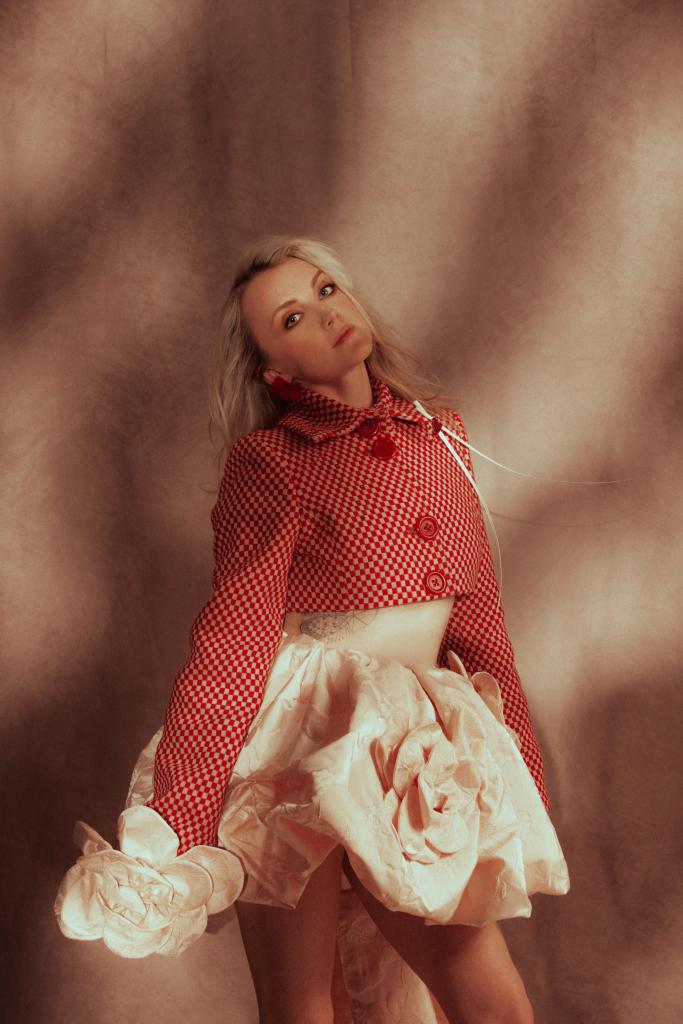
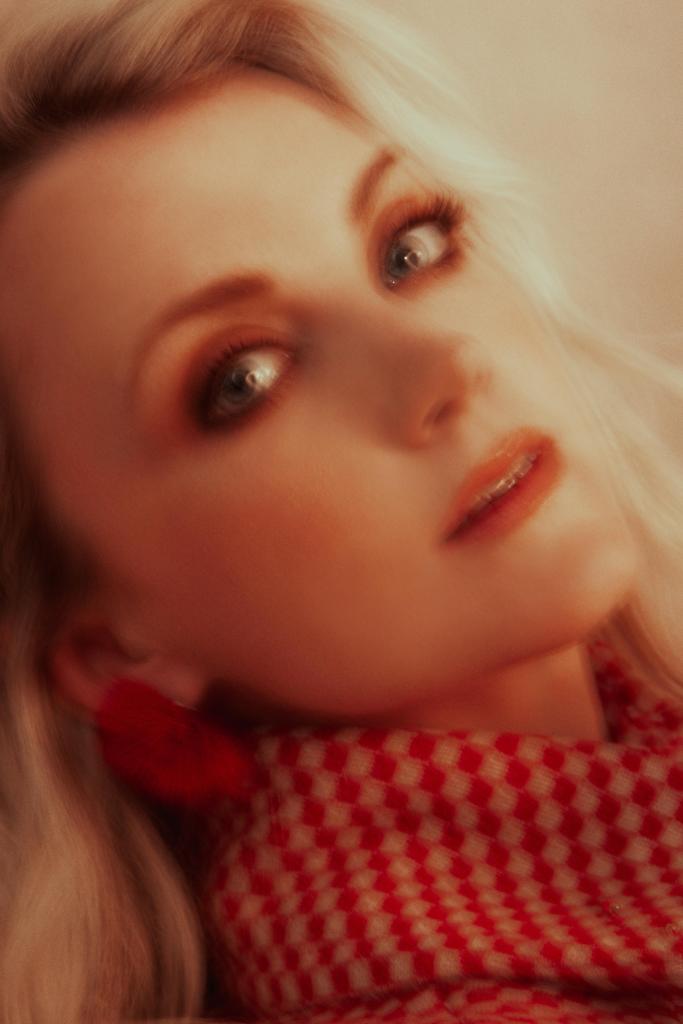
Full look Catalina Negara / Shoes Stylist’s own / Ring and earrings Xhenxhen Jewellery
It probably adds to the authenticity as well, if you have real lived, world experiences that you can tap into. You can’t fake experience. Evanna, what was it like working with Dakota, both as an actor and a director? It’s not like you can go to her and be like, ‘Fucking hell, this director’s cutthroat!’
Dakota: [Laughs] I feel like with me you could.
Evanna: Oh my God, that’s so funny. We should have called her by her two personalities.
Dakota: “Sorry, let me take this hat off and put this one on.”
Evanna: No, that’s true. There was no trauma bonding over how badly things were going [laughs]. No, no, it was such a smoothly run shoot. We were in these lavish rooms in a lovely place; it was so easy. For one thing, it was just therapeutic to talk to [Dakota], and to see you at this point in your career. By the way, it’s only from working with you and a few other female directors like Jessica Henwick – she’s an actress who I worked with on one of her short films – that I kind of go, ‘Oh my God, you can take control of your career,’ you know? And I feel like this is a relic of being a child actor. It’s taken me a long time to realise I have that autonomy, and you don’t have to wait for the overlords – the rich, serious adults – to run things. So it was just really therapeutic to be around you, and to see you being both an actress, and a director, and a writer, after having a weird trajectory into this business of having big fame quickly without experience, and having to kind of confront your own naivety as you were working, and as you were trying to grow. Because now you see a lot of child actors who are so savvy, they’ve got everything. They’ve got a stylist, they’ve got a publicist.
They’ve just grown up with YouTube, and are used to putting themselves out there, on camera.
Dakota: It’s such a different time to be a child actor now.
Evanna: They have their brands so down pat. It’s like they came out of the womb with their vision boards [laughs].
Dakota: Millie Bobby Brown has a skincare line, do you know what I mean? I didn’t even have a stylist.
Evanna: Me neither. And nobody, even when I was in one of the biggest film franchises, photographed all over the world, nobody was like, ‘Come here, let’s get you a stylist.’
Dakota: ‘Don’t wear that!’
Evanna: I’m annoyed about that!
Dakota: You could be the lead in the biggest film franchise in the world, and nobody’s going, ‘Let’s just get her a nice dress.’ But in a way, I think there’s actually something kind of lovely and authentic and innocent about that time.
Evanna: The innocence is lost.
Dakota: I see child actors now, and I wonder, ‘Where is your childhood?’ I think we might have been the last generation that had some normality retained in that experience.
Evanna: It’s true. I think as soon as social media came in, it’s like the lens is flipped on them. They’re seeing themselves constantly. Then all the machinations sort of click into gear: ‘How do I make that a brand?’ I felt very sheltered from the fame aspect, from looking at myself as an object. Which is maybe better for your mental health, perhaps not as good for the career [laughs]. So anyway, to answer that question, it was really just nice to meet someone who is in that strange place in their career and finding their way through it. I found it really inspiring to be around Dakota. I think we talked a lot about dodgy experiences we had on set as kids, going, ‘Oh, that was not okay.’ And then, yeah, we had fun. I mean, it was a two-day shoot, so I wish it was longer. That’s my only problem with shorts; they’re too damn short! I did, at one point, have to kind of say to Dakota, ‘It’s okay, if you need to bully me, if you need to direct me, just tell me what to do.’ Because obviously, being an actor, being empathetic, she didn’t want to force me into acting a certain way.
Dakota: Well, I really don’t think you needed a lot of directing. I think we had so many conversations beforehand that by the time we came to shoot, I felt like your understanding of the character was so clear and your delivery felt so natural that beyond some technical kind of ‘We need to get through this bit a bit quicker, so that we hit the right mark’ or whatever, there wasn’t much to direct. I think that there are two universes that coexist within the film industry, and people sometimes travel between the two. One is this world of studio productions where all the decision-making happens at the top. You wait for that lucky spark of someone accepting your tape. You send a tape off, you get cast in this incredible role, you show up, and every creative decision that needs to be made has been made before you even arrive on the set. And everything is kind of this whirlwind happening around you, and then you get sent home in your chauffeur-driven car at the end of the day. And then there’s this much more grassroots, we’re-all-in-this-together, collaborative, independent cinema world. And sometimes those films have the success of the studio productions, and it means that people then transition from one to the other. But if you’ve started your career in the first universe, it’s very hard to believe that you can be a part of the other one. And vice versa, I’m sure. I knew, obviously, people make independent films. I knew that happened, but I didn’t have any frame of reference really for how one goes about it.
It feels like it goes against everything you know.
Dakota: Yeah, I was like… ‘But somebody else makes all those decisions.’ I’d always been so far removed from it. It takes quite a big leap of faith to jump from one world to the other, and go, ‘Okay, I’m going to be the captain of this ship.’ Even the first day that we arrived on set, taking the crew around the location to show them where the kitchen was, I felt like somebody more senior should be doing it. What if somebody has a question? [laughs]
Evanna: It’s like dismantling the patriarchy in your head, you know? Going, ‘There’s gotta be someone older and wiser and richer.’ And you don’t realise you’ve taken that model on internally, but you have. It takes some work to go, ‘Oh, you can rearrange that completely.’
You’re seeing behind the curtain for the first time.
Dakota: Yeah. I had to tell myself repeatedly, ‘Bigger dummies than you have done this.’
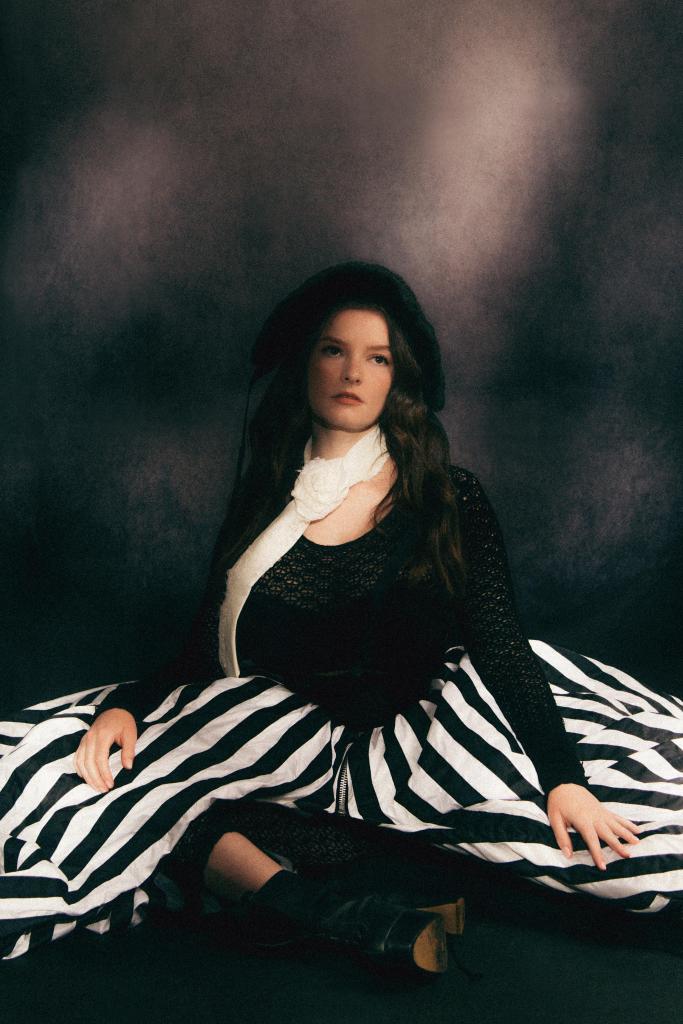
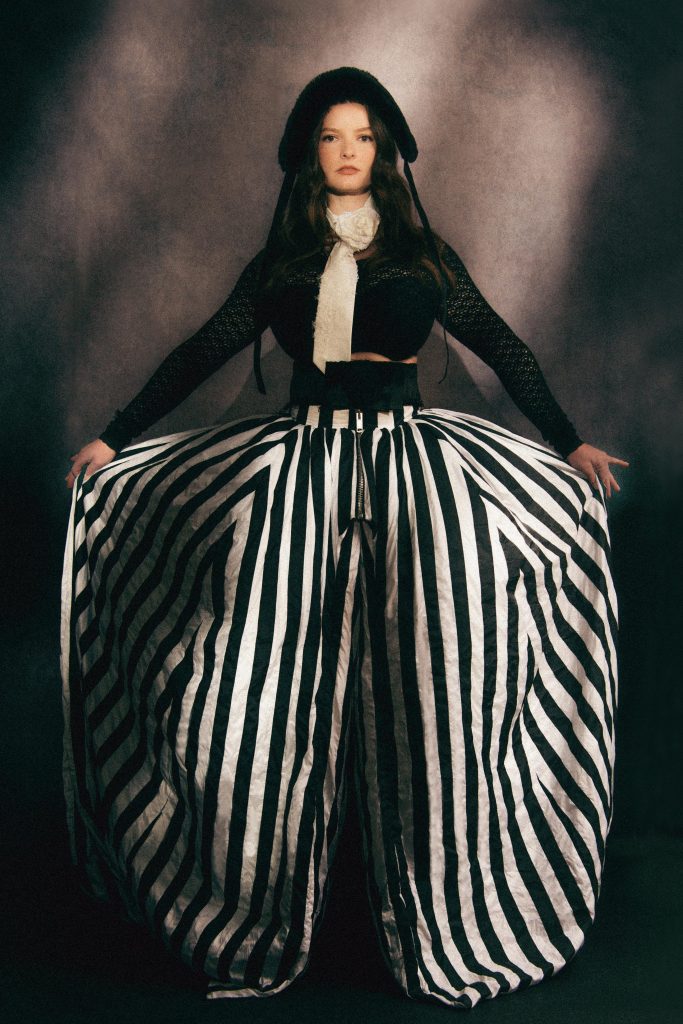
Top and leggings Samanta Virginio / Skirt Min-Ji Kim / Tie and belt Horti / Bonnet Emma Brewin / Boots Pleiades / Earrings Xhenxhen Jewellery
And also, nobody will care about this project as much as you do.
Dakota: Yes! I find that quite a comforting thought. If it sucks? Whatever. I mean, I can say that because I didn’t have to fund the entire project myself [laughs]. I think [executive producer] John would be less impressed if I had made something crap and had just gone ‘Oh well!’. But ultimately, it’s a short film; the world isn’t going to end if it’s shit. It’s easy to get into a place of feeling like ‘Oh my God, I’ve got the wrong colour socks for this character, the whole thing is ruined!’Evanna: Oh, she did even pick the socks! Remember when you came over to my house with all the costumes and then you were like, ‘Oh, we’ve got to do the socks!’ I don’t believe the socks were ever seen, were they?
Dakota: They were seen for a second. [laughs]
You end up coming so far during a creative process like this that suddenly it feels like every detail matters, because you feel like you’re disrespecting all the work that you’ve done up until this point, if everything’s not perfect. You’ve come this far, written the script, got Evanna on board, and then the socks are wrong.
Dakota: I also think I’m quite a detail-oriented person. As a viewer, if I’m watching something and there’s something slightly out of place, it pulls me out. An extreme example would be when they left the coffee cups in Game of Thrones. It just totally takes you out of the story. It doesn’t ruin the show; the show is still excellent. But it reminds you that you’re watching a show, and the moment you’ve broken the fantasy…
Evanna: Then you question everything.
Dakota: Yeah, it’s hard to get reinvested. I think the same thing applies to when you’re acting; of course, you have to just overcome some of those things. You know you’ve got a radio mic on, or you know that you’re hitting a mark on the floor when you’re walking into the room. But I wanted, as much as I could, to really build the fabric of these characters to make them easier to embody.
Totally. And to bring it back to what we were talking about before, you’ve both got acting credits in Harry Potter, The Golden Compass, and Skins that are, to a lot of people, considered cultural benchmarks in their childhood. How do you think fans will receive this crossover between the two of you?
Dakota: If [our previous projects] bring us an audience, excellent. That would be wonderful. But if you were coming at it hoping for a Harry Potter-Golden Compass crossover, this is so not the project that would be birthed from that idea [laughs]. If it had been a fantasy or something like that, I don’t know… I think we’re incredibly fortunate that we can bring some of those audiences to a project like this. But that wasn’t my intention behind it. I don’t know how it will be received.
Evanna: I think there’s a lot of nostalgia at the moment. There are a lot of revivals happening. Both of the things we were in are having revivals. I think a lot of people look to the actors in shows – like I do with shows like Friends and Gilmore Girls; they were my growing-up shows – and you look to those actors almost for comfort and to be like, ‘How are you… We sort of went through something together; how are you getting on in life?’ For example, the amount of people whose response to my wedding photos was, ‘God, I feel so old!’ Because people like checking in on these personalities they grew up with, and who helped them through difficult moments in adolescence, or who mirrored that. And I think that’s kind of sweet, as a benchmark. I’m fine with you looking me up on Instagram every five years and going, ‘Oh, how’s your one doing? Is she still coping?’ It was a funny time, being a millennial in the 90s or whatever, 2000s, you know? I think that’s kind of sweet that they check on us for that. And I think that’s what it is, more than, ‘I want to see these two characters interact.’ It’s almost like they’re checking on their own progress.
And what do you hope that audiences will take away from the film?
Evanna: I never like to force this. I feel like it’s so subjective, isn’t it? You can’t tell someone how to feel. I think any feeling is appropriate. Just feel something! But I suppose for me and my character, she’s so awkward and bumbling, and she’s saying all the wrong things. But even though she doesn’t find the right assortment of words to say, she’s still reaching out to someone who’s very deeply going through grief, which is so big. I find this all the time. A lot of our social lives are shown on Instagram, and someone will post that their grandmother died, or their cat died, and I’ll sit there for 20 minutes typing out a series of hearts and going, ‘Thinking of you’, and then I’ll think, ‘Fucking hell, 500 other people said the exact same thing. What can I say that will reach them and that will tell them I feel their pain?’ Sometimes I have to actually – and this is neurotic – just bookmark the post and write something later on. I’m gonna come back and writesomething nice. You’re looking for a way to connect with them and make an impact, and I think this film is sort of saying… just say something. Say anything. And that then leads to a really human moment. A very beautiful and kind of unique connection that didn’t have to make sense. It wasn’t structured very well; it’s messy, but it was very real. It’s fine even if you make jokes; that’s okay too. Something that will just bring forth a reaction that’s real is important.
Dakota: I think that’s a nice takeaway. The opening line for my director’s statement before we made the film was that there’s no right way to grieve. So I guess that was one of the things I wanted people to take away from it – her behaviour is kind of unconventional. It’s not what most people would choose to do if they found themselves in that situation. But difficult situations are messy, and that’s okay. You don’t have to find the perfect thing to say. You don’t have to grieve in the way that everybody expects.
Evanna: And it’s kind of brave, isn’t it, what Sophie does. That she says anything at all, because I feel like if this were not a short film, if this was just real life, mostly what would happen would be Sophie the receptionist saying, ‘Okay, sure, you want this room? Great. Let me know if you need anything.’ She’d never make any jokes; she’d be so professional, and nothing would have happened. It would have been completely separate experiences; they never would have found anything out about each other, and I actually think it’s really brave that she expresses herself a little and that that leads to a connection. I am the type of person who would take all the cues and say nothing, and hold it all in. I wish I could be a bit more like Sophie. I wish I would say something, even if it’s awkward, even if it’s just a bit confronting.
Dakota: Yeah, it’s sometimes better to get it a bit wrong than to not make a connection. I think that also speaks to how lonely Sophie feels and how affected she’s been by being a witness to this awful tragedy. And I guess maybe that’s one of the messages as well: that so many other people are affected by something that feels incredibly personal. Grief often feels like it’s just your grief. And it is. But actually, other people can be affected in so many ways, and there are ripples beyond that. If she’d never gone to the hotel, she’d never know that there was another person who had been affected by this. I also don’t want to tell people how they should feel [while watching it]. But I guess those are the kinds of things that I was wanting to convey when making it.
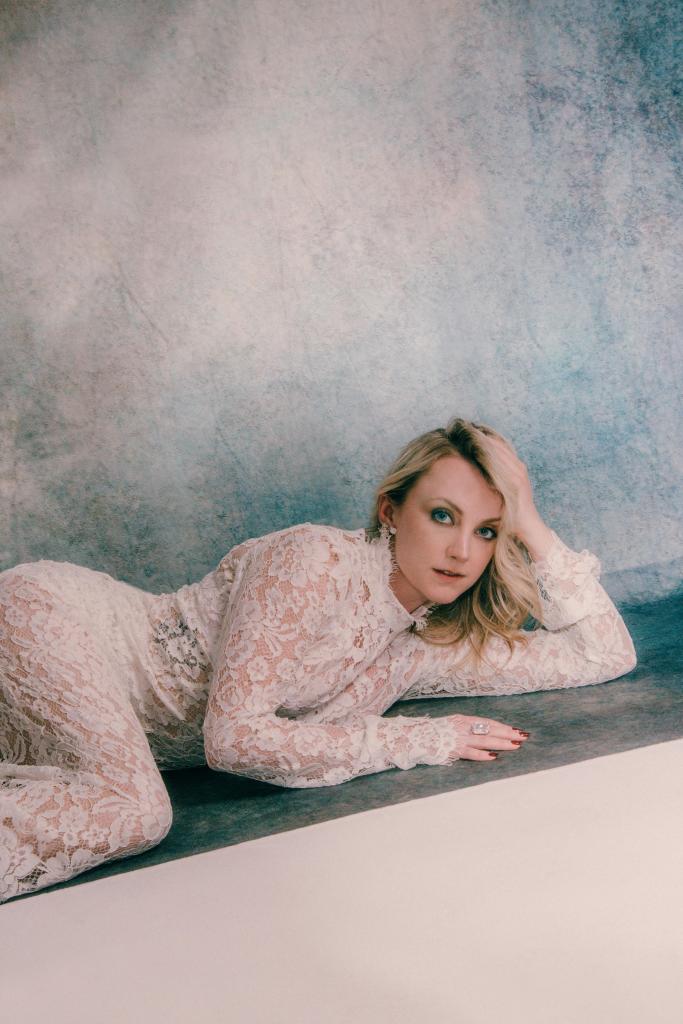
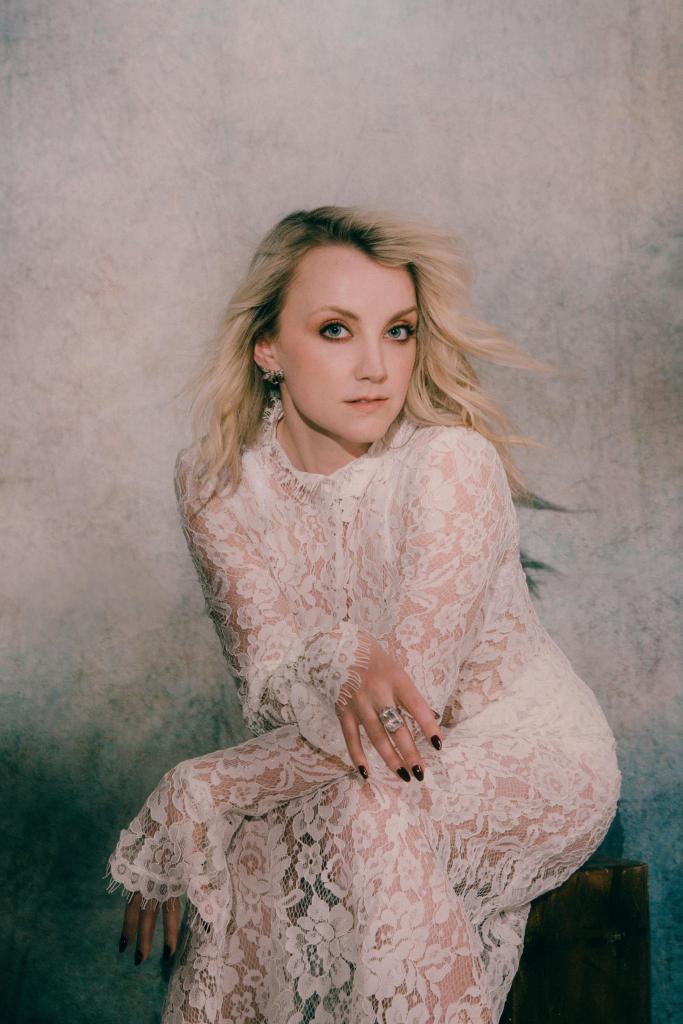
Dress Alanna Rose / Bra Fruity Booty / Shoes Roker / Rings Maison Lumiere and Xhenxhen Jewellery
Evanna: As someone who is deep in the weeds with true crime, did you feel like you had a comment to say on that?
Dakota: Yes, we’re so used to true crime stories being presented in such a sensational way – even some of the most well-intentioned true crime media mixes crime and comedy – and I don’t think that’s a bad thing necessarily, but I do think we quite often forget the people not directly involved. We spend a lot of time talking about the victims and the perpetrators, but actually there’s a whole cast of people involved in that story who just never really get a look in. We don’t think about how their lives are impacted. Especially when it’s something so violent. That can ruin your life as a survivor, even if you weren’t directly involved. I think we often forget about that. So that was something I wanted to explore: to take this character who is a true crime fan, and who is used to listening to all these podcasts and reading all these books and becoming a bit desensitised to the actual violence of it, and explore how they would feel to then suddenly be confronted with that in the real world. I always feel like when I talk about something I’ve written, I end up really building it up and I don’t want to oversell it and then have the people watching it go, ‘Huh?’ [laughs].
But if that’s the thought process that you’ve got into it, people should know about it, you know?
Dakota: Well, I’m not writing with the intention that people come away from it and feel it’s totally changed the way they look at something. But I think if it, by degrees, shifts your perspective on the way you listen to your true crime podcast, then great. That’s something interesting that we’ve done.
The last thing I wanted to touch on really was that I wanted to know what it’s like juggling the industry that you’ve just spoken about, whilst also navigating your own personal milestones? Evanna, you just got married; Dakota, you recently became a mother. Does that kind of change how you feel about the industry?
the industry that you’ve just spoken about, whilst also navigating your own personal milestones? Evanna, you just got married; Dakota, you recently became a mother. Does that
kind of change how you feel about the industry?
Evanna: Yes, I would say that is something I’m working on consciously at the moment; building that personal life that I really love. I feel like I started, or manifested, my career by being a really dissatisfied teenager. I was fed up living in the countryside in Ireland. I wanted a big movie life, and I was just bored and frustrated, and I didn’t like school. I didn’t know what was going on, and then I got this big job and it sort of rescued me from that. I feel like every time a job ends, I have this panic of, ‘I need something to rescue me from the emptiness of my life!’ I’m just wishing for someone to come and bring me into their fictional world, their fictional universe, and that always happens. Even that play I did a few months ago [Pool (No Water)], I got home, and I was like, ‘Damn, now what?’ And I’m now very much realising that can’t be the relationship to my career and to my personal life. I have to cultivate a life that I’m really excited by, and one that means I’m not looking to other people to give me that excitement, or to just bring me any type of fulfilment. So yeah, lately I’ve been like, ‘What can I do? How can I have that?’ What would I do for it to be the case that someone could come to me and I would go, ‘No, I want to stay here at home.’ I have got a writing practice at the moment, an hour every day. And I’m finding that the more I do it, the more I’m excited by it, and ideas are coming. Otherwise, I just feel like it will always be running, and I won’t be fully present for my personal life, which I really, really value now. But it’s hard, isn’t it? When an audition comes your way, you suddenly start imagining yourself in that project. So you have to stay sane to have longevity in this business. You’ve got to really ground yourself at home. It’s funny, I didn’t understand this when I started out. On Harry Potter, we’d spend a lot of time in the make-up room, of course, on every film you do; it’s the first couple of hours of your day. And when the films would be done, we’d do press interviews, and people would always ask, ‘What did the older actors teach you? What did they talk about? Did they talk about acting techniques?’ They only ever talk about their fucking gardens! They’d all just be talking about their gardens or one of them learning the piano or something. And I used to go, ‘Nobody talks about the Oscars. Nobody talks about whatever technique they’re studying.’ And I used to find that really boring and frustrating. And now I’m like, ‘Oh, it’s because they’ve been in it a long time and they know that that has to be the stuff that excites you and feeds your creative life. Otherwise you won’t last, I think. Yeah, so that’s the trick. Get really excited about your garden.

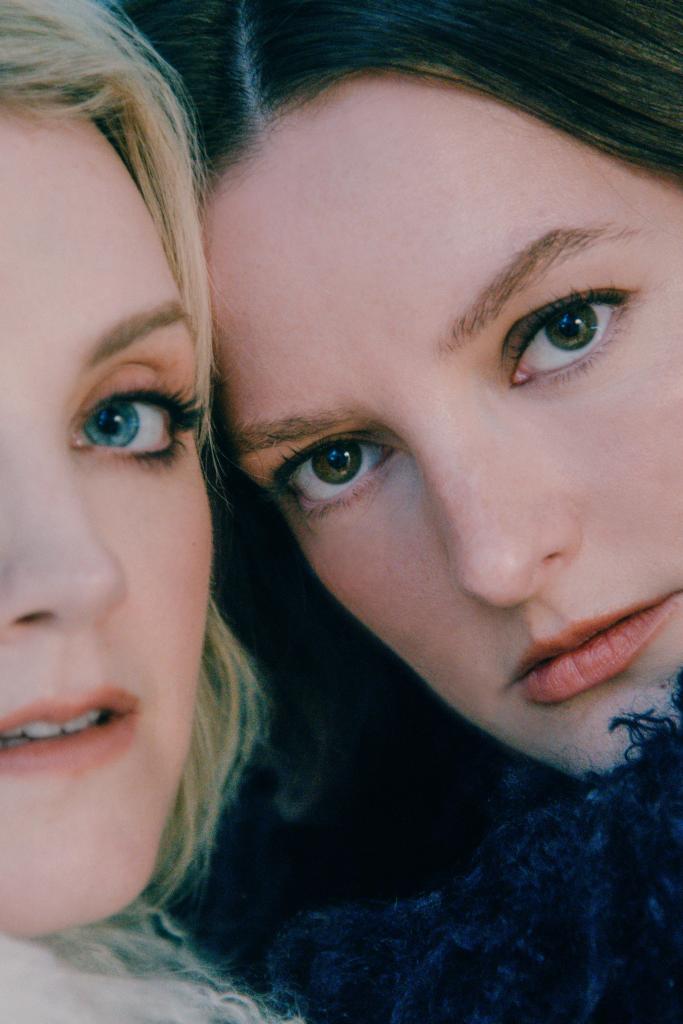
Evanna wears Jacket Bienbie / Earrings Maison Lumiere
Dakota wears Jacket Peachy Den / Earrings Xhenxhen Jewellery
Dakota: The analogy you used earlier of it being like an abusive relationship, I think it’s true, especially for women, and especially young women. The industry kind of breadcrumbs you; it gives you just enough to go, ‘Oh, it’s worth keeping in here.’ But it also demands so much of you. If you let it, it can really isolate you from friends and family. Not just because when you’re working, it requires you to maybe be away from home, but also because the nature of it is that it all comes about at the very last minute. You have to be prepared to drop everything, be it for a job or even just for an audition. I’m frequently sent self-tapes where I’ve got 48 hours to deliver. And a self- tape is quite a production, if you take them seriously. So that makes it very difficult to make long- term plans for your life, and to put roots down in the way that most people want to do. You know, you can’t even commit to living in one place, because if you get that big Hollywood job, you’re moving to LA. I also temporarily thought, ‘I’m fucking done with this, and I don’t care about it anymore’, and then got sucked back in by doing the play Anthropology, which I really enjoyed. It took having a baby – something that is non-negotiable – to suddenly have something in my life that felt more important than my work. And not just more important as in ‘I have to prioritise these tasks’, but also that it defines me as a person. On my list of traits, I put mother way above actor, at this point. So I think becoming a parent has been the biggest shift in perspective that could possibly have happened to me. Even in my past relationships. I love my partner very much, and I’m lucky that he is also self-employed and that he has a lot of flexibility – but I’ve never had a relationship that I thought I’d give my career up for. But I would give my relationships up for my career, if I needed to.
Evanna: Same. Oh my God, my husband and I had an argument about this. We watched a Martha Stewart documentary on Netflix, and she was saying something about ‘Husbands come and go, a career won’t leave you’ or something like that. It’s something that’s yours, and you can control, or whatever. And he was like, ‘God, that’s grim; she puts her career above her family.’ And I was like, ‘Hard disagree, I think she’s dead right?’
Dakota: If you go for an American series, for example, you have to sign contracts before you’re officially given the role. Even if it’s just a pilot episode, you sign away – last I checked – seven years of your life to be a part of a show, and that can move you anywhere in the world depending on where they’re shooting. And a lot of the time on those shows you are not accommodated beyond the first season, which means if you are shooting in Toronto, let’s say, you have to rent a property close to the set. And, you know, for a lot of people, you can’t afford to have two homes. So, previous to having a child, if that was something I had been offered and I had to relocate and my partner couldn’t come with me… Bye. Seven years of a long-distance relationship is going to be hard on anybody. But the idea of turning down an opportunity like that for a relationship feels like it’s not even in the realm of possibilities. I never would have considered that. But it’s different now because we are a family.
Evanna: Yes. And your relationship wouldn’t work if he didn’t empower you to go after what you want.
Dakota: Yes, exactly, he’s very supportive. I think now the order of priority probably goes daughter, partner, work. I know it does, because I sacrifice my work to take care of our daughter so that my partner can work, so I am making those sacrifices for him. But I remember an actor in an interview I read ages ago who said you can’t have a plan B as an actor because if you’re not all in all the time, it will slip away. You have to be prepared to drop all your plans to do a self-tape at the last minute for a job you know you’re not going to get. If you’re not willing to do that, there’s no point in being in it at all. So it demands a lot of you. I think you have to consciously detach from that ambition to invest in and fully commit to building a personal life. But equally, I think it takes somebody really brave to date an actor. Not only because of how quickly our lives can shift from one thing to the next, but also, I could not date somebody who was so jealous that they couldn’t watch me kiss another man. Because that’s just a necessary part of your job that you might be asked to do. And chances are, it’s going to be an actor who’s going to be really attractive [laughs]. So you have to be with somebody who can take that sort of thing in their stride, and not everyone can. And also your partner just becomes unpaid labour in so many ways. My partner, bless him, cannot act. But he has to do all of my self-tapes, and he hates it. He doesn’t like blind reading scripts.
He wants to say it as if he’s the character.
Dakota: The opposite! I’ll say, ‘I’m Jane, and you are everyone else,’ and he’s like, ‘But there are eight other people in this scene,’ and I’m like, ‘Yeah!’ [laughs]. They have to be willing to be in it with you, which is a lot to ask of somebody that you might leave. You have to ask them to help you get a job that might take you away for seven years. I honestly don’t know how anybody dates us.